
Managing Pain During a Long Tattoo Session: A Practical Guide
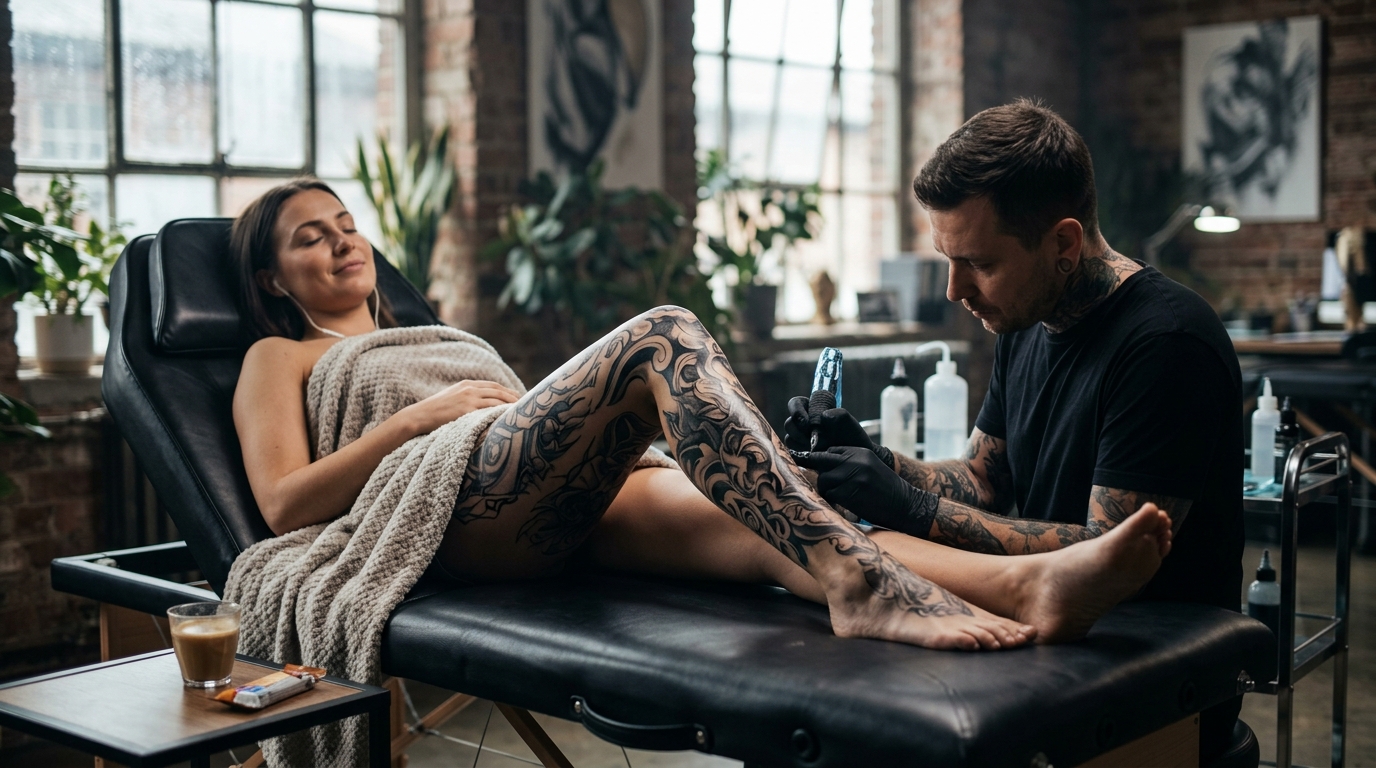
Long tattoo sessions test your body and your mindset. Whether you are sitting for a half-sleeve or a detailed back piece, sessions that stretch past two or three hours bring a different level of discomfort than a quick one-hour appointment. The good news is that pain management is not a mystery. With the right preparation, in-session strategies, and aftercare products, you can stay comfortable enough for your artist to do their best work. This guide walks you through every stage of the process so you can show up confident and leave with ink you love.
Why Long Sessions Hurt More Than Short Ones
Pain perception is the body's neurological response to repeated stimulation, and it shifts over hours. When a tattoo session begins, your body releases endorphins as a natural pain-management response. However, those endorphins start to wear off as the session continues, meaning discomfort often intensifies in hours three and four rather than at the start.
Body placement also matters. Areas with thin skin and dense nerve endings, like ribs or the spine, produce sharper sensations. When your body tenses from pain, your skin becomes harder for the artist to work with, which can slow the session down and extend the overall time in the chair.
Pre-Session Preparation: Set Yourself Up for Comfort
Hydration and Nutrition
Staying hydrated in the days leading up to your appointment keeps skin elastic and easier to tattoo. Drink plenty of water and eat a balanced meal one to two hours before your session. Low or fluctuating blood sugar makes pain far less manageable, and skipping a meal before a long session almost guarantees dizziness and fatigue.
Sleep and Rest
A well-rested body handles pain significantly better. Studies show that lack of sleep increases sensitivity to pain, and fatigue can cause inflammation that makes sitting in one position feel even worse. Aim for a full night of sleep before your appointment.
Clothing and Comfort Items
Wear loose, breathable clothing that gives your artist easy access to the area being tattooed. Tight outfits add unnecessary friction and discomfort during a session that may already last several hours. Bring headphones, a charged phone, or a book to help pass the time.
Why People Reach for Topical Numbing Options
Topical numbing is a category of skin-care products containing local anesthetic agents, most commonly lidocaine, that are applied to the skin's surface before a procedure. Many people turn to these products because they want to sit comfortably through longer sessions without needing excessive breaks.
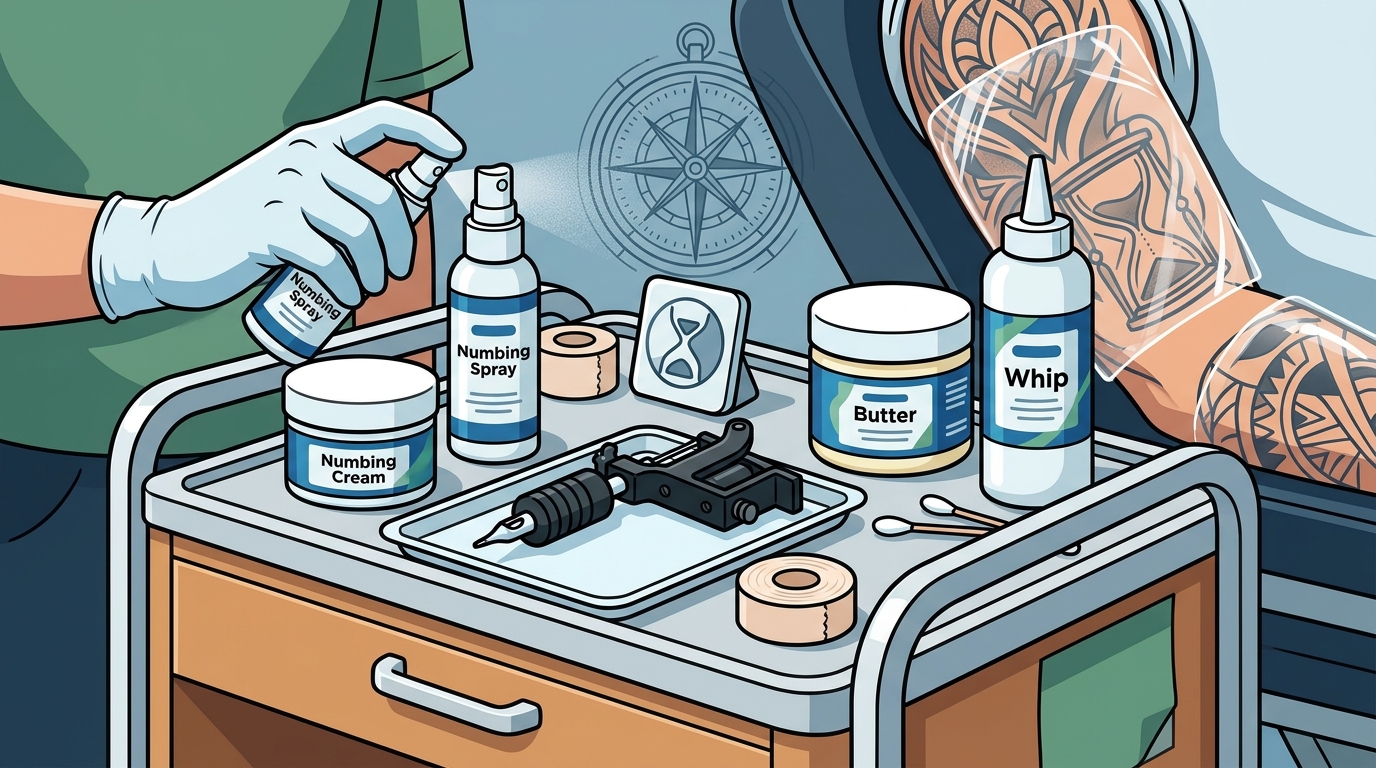
If you are considering a topical numbing product, talk to your tattoo artist first. Some artists have preferences about which products they work with. Painless Tattoo Numbing Cream is a popular pre-session option designed for the tattoo context, while the Painless Tattoo Numbing Spray is formulated as a companion product that artists can reach for during the session itself when the skin is already broken.
Always discuss any topical product with your artist and, if you have sensitive skin or known allergies, consult a licensed professional before use.
In-the-Chair Strategies That Actually Help
Breathing Techniques
Rhythmic breathing is a simple but effective tool. A common pattern involves inhaling for four counts, holding for four counts, and exhaling for four counts. This shifts your attention away from the sensation and helps keep muscles relaxed, which benefits both you and your artist.
Communication and Breaks
Your artist wants you to have a manageable session. Be open about pain levels, and do not hesitate to ask for a short break. Use that time to stretch, walk around, drink water, and have a snack to recharge. There is no shame in pausing; it can actually improve the quality of the tattoo.
Distraction
Music, podcasts, or conversation with your artist can redirect your focus. Many experienced collectors say that settling into the studio environment and finding a mental rhythm turns a difficult session into something almost meditative.
Aftercare Matters: The Session Does Not End When the Needle Stops
Aftercare is the practice of caring for freshly tattooed skin to support the body's natural recovery process. What you do in the days after a long session directly affects how your skin feels and how your ink looks long-term.
The Painless Tattoo Alpha line offers three aftercare textures, each designed for different preferences. Alpha Tattoo Whip features a light, whipped texture that blends the soothing feel of aloe vera gel with the nourishment of organic butters. Alpha Tattoo Butter delivers a richer, deep-moisturizing experience crafted from organic ingredients like Shea Butter, Mango Butter, and essential oils. For those who prefer an oil-based option, Alpha Tattoo Oil rounds out the lineup.
General aftercare guidance: keep the tattoo clean, apply a thin layer of your chosen aftercare product, and avoid over-moisturizing. Wear loose, breathable fabrics and stay out of pools or hot tubs until the area has fully recovered. Always follow your tattoo artist's specific aftercare recommendations.
Which Product Fits Which Stage
One of the most common questions people have is which Painless Tattoo product to use and when. The table below maps each product to the stage of your tattoo journey where it fits best.
| Stage | Product | Format | Purpose |
|---|---|---|---|
| Pre-session | Numbing Cream | Topical cream (sachet) | Comfort before the needle starts |
| During session | Numbing Spray | Spray bottle | Mid-session comfort on broken skin |
| Aftercare | Alpha Whip | Whipped, light texture | Soothing hydration for fresh ink |
| Aftercare | Alpha Butter | Rich butter | Deep moisture and nourishment |
| Aftercare | Alpha Oil | Oil | Lightweight daily skin conditioning |
| All-in-one | Painless All-Stars Kit | Bundle | Covers pre-session through aftercare |
Key Takeaways
- Long tattoo sessions are more demanding because endorphin levels drop over time, increasing discomfort in later hours.
- Hydration, sleep, and a solid meal before your appointment create a foundation for better pain tolerance.
- Topical numbing products like lidocaine-based creams are a common reason people feel more comfortable during extended sessions. Always discuss them with your artist first.
- Breathing techniques, regular breaks, and open communication with your artist are low-effort, high-impact strategies.
- Aftercare begins immediately after the session. Choosing between a whip, butter, or oil comes down to your texture preference and skin needs.
- Loose clothing and proper hydration matter both before and after the tattoo.
- When in doubt about any skin concern, consult your tattoo artist or a licensed professional.
Frequently Asked Questions
How long is a "long" tattoo session?
Most artists consider anything over three hours a long session. Large or intricate pieces may require sessions of five hours or more, sometimes split across multiple appointments spaced several weeks apart.
Does pain get worse as a tattoo session goes on?
For many people, yes. Your body's natural endorphin response fades after the first couple of hours, and the skin in the area being worked becomes increasingly sensitive from repeated needle contact.
Can I use a numbing cream for a long session?
Many people use topical numbing creams before their appointments. Talk to your tattoo artist beforehand because some artists have preferences about which products are compatible with their workflow. Painless Tattoo Numbing Cream is designed specifically for the tattoo context.
What is the difference between numbing cream and numbing spray?
Numbing cream is a topical product applied to intact skin before the session begins. Numbing spray is formulated for use during a session, applied to skin that has already been broken by the tattoo needle. The two products serve different stages of the process.
What should I eat before a long tattoo session?
A balanced meal with protein, healthy fats, and complex carbohydrates about one to two hours before your appointment helps stabilize blood sugar and reduces the chance of dizziness or fatigue. Bring snacks for breaks during the session.
How do I choose between Alpha Whip, Alpha Butter, and Alpha Oil for aftercare?
It comes down to texture preference. Alpha Whip has a light, airy feel similar to aloe vera gel blended with butters. Alpha Butter is richer and thicker for deeper moisture. Alpha Oil provides a lightweight, absorbing option for daily conditioning. All three are designed for tattooed skin.
Should I avoid alcohol before a tattoo?
Yes. Alcohol thins the blood, which can increase bleeding during the session. That extra bleeding makes it harder for ink to settle into the skin and can lead to the artist needing to overwork the area. Most professionals recommend avoiding alcohol for at least 24 to 48 hours before your appointment.
When should I start aftercare?
Aftercare begins as soon as your session ends. Follow your artist's instructions for cleaning the area, and then keep the tattoo hydrated with an aftercare product. Consistent aftercare in the first two to four weeks supports the surface-level recovery process.
Ready to Prep for Your Next Session?
Browse the full Painless Tattoo product line to find the right combination of numbing and aftercare products for your tattoo journey. Match your stage, pick your texture, and walk into your next appointment prepared.