
Tattoo Numbing Cream vs Numbing Spray for Long Sessions
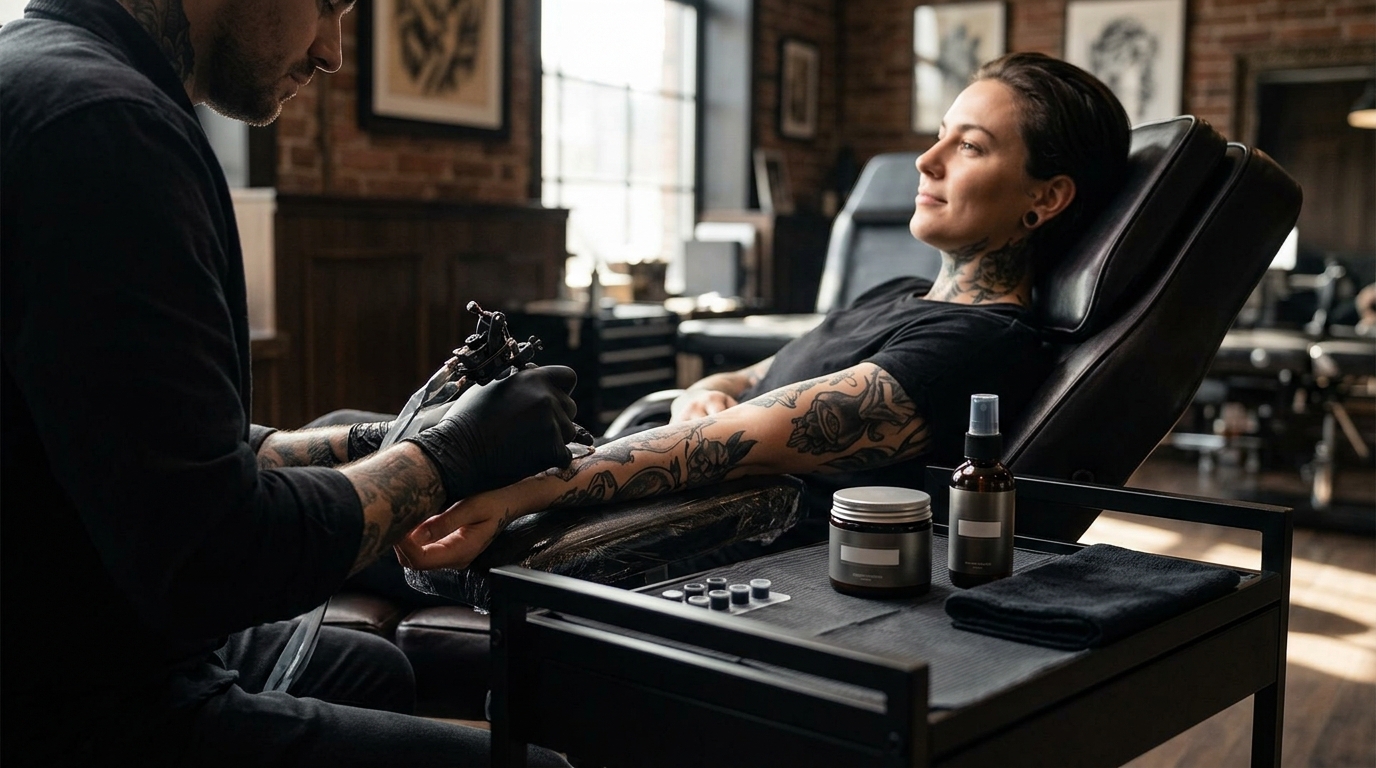
Planning a multi-hour tattoo session and wondering whether numbing cream or numbing spray will keep you comfortable the longest? You are not alone. Both products use topical lidocaine to reduce sensation, but they serve different roles during the tattoo process. Cream is typically applied before the session on intact skin, while spray is designed for mid-session use once the skin has been opened. Understanding when and why each format works best can help you and your artist plan a longer, more comfortable sitting. Below, we break down the key differences, use cases, and how the two formats complement each other.
How Topical Numbing Works
Lidocaine is a local anesthetic that has been used in medical and dental procedures for decades. It works by temporarily blocking sodium channels in nerve endings, which reduces the pain signals sent to your brain. In the tattoo context, topical lidocaine is applied to the skin's surface so it can absorb into the upper layers and dull sensation where the needle enters.
Results vary by person, body placement, and how the product is applied. You may still feel pressure and vibration from the machine, but the sharp, stinging sensation is typically reduced. Always talk to your tattoo artist and, if you have skin sensitivities or allergies, consult a licensed professional before using any topical anesthetic.
Numbing Cream: The Pre-Session Foundation
A tattoo numbing cream is a topical anesthetic designed to be applied to intact skin before your session begins. It needs time to absorb, which is why it is applied in advance and often covered with plastic wrap to improve absorption. Cream-based formulas typically contain oil-based carriers that help the lidocaine penetrate drier areas of skin effectively.
When Cream Makes Sense
Numbing cream is ideal as a starting point. It establishes a baseline level of comfort right from the first needle pass. Products like Painless Tattoo Numbing Cream are built for this exact pre-session stage. For people who feel nervous about their first sitting, or who are tackling sensitive areas like the elbow ditch or ribs, cream provides a strong initial foundation.
Duration Considerations
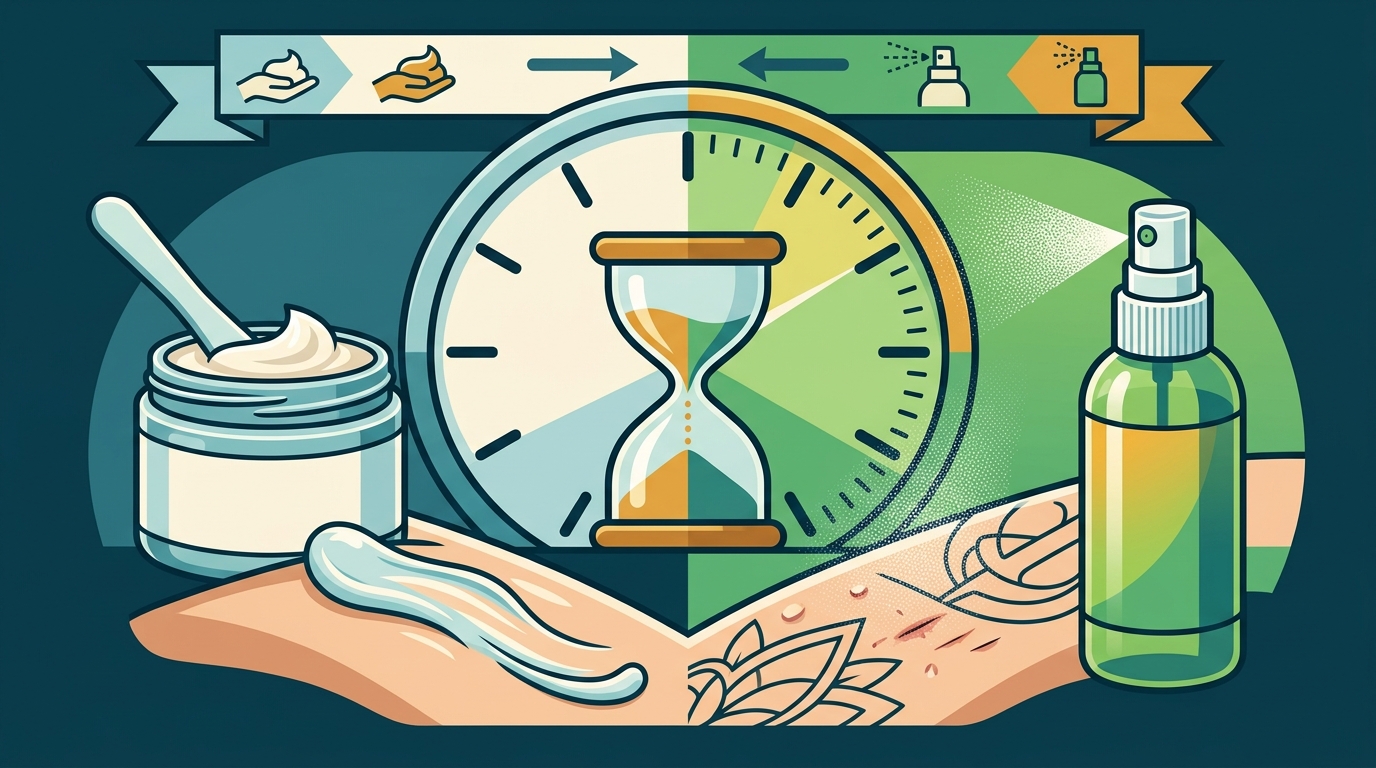
Most over-the-counter lidocaine creams contain between 2% and 5% lidocaine. The numbing effect from topical creams generally lasts between 1 and 3 hours, depending on the formula, the area, and how well the product was absorbed. For sessions running beyond that window, cream alone may not be enough.
Numbing Spray: Mid-Session Reinforcement
A tattoo numbing spray is a topical anesthetic in liquid form, designed to be applied during the session after the skin has been opened by the needle. Many spray formulas are specifically engineered for broken skin, which allows the lidocaine to absorb rapidly for a fast onset of relief.
When Spray Makes Sense
Spray is the tool your artist reaches for when the initial numbing wears off partway through a long session. Painless Tattoo Numbing Spray is formulated as a companion to the cream, letting the artist extend comfort without stopping the session. Some sprays also include vasoconstrictive agents that may help manage swelling during the tattoo process.
Application During the Session
The artist typically wipes the area clean, applies the spray, and pauses briefly before continuing work. Because the skin is already open, the spray can take effect much faster than a cream applied to intact skin. This makes it a practical choice for 3-plus-hour sittings.
Side-by-Side Comparison
| Feature | Numbing Cream | Numbing Spray |
|---|---|---|
| Timing | Applied before the session | Applied during the session |
| Skin State | Intact (unbroken) skin | Broken skin (needle has passed) |
| Onset Speed | Requires advance application + occlusion | Rapid onset once applied to open skin |
| Typical Duration | 1 to 3 hours | Varies; can be reapplied by artist |
| Who Applies It | Client (before arriving or at the shop) | Tattoo artist (during the session) |
| Best For | Establishing initial comfort | Extending comfort in long sessions |
| Painless Tattoo Product | Numbing Cream | Numbing Spray |
Combining Cream and Spray for Long Sessions
For sittings that run three hours or more, many people use both formats together. The general flow looks like this: cream goes on before the appointment to build a numbing foundation, and when the artist notices the client becoming more sensitive mid-session, the spray is introduced to extend comfort for the remainder of the work.
Painless Tattoo also offers BLT Triple Numb, which combines benzocaine, lidocaine, and tetracaine in a single strip. This triple-anesthetic approach layers rapid-onset and extended-duration agents together for people who want a stronger pre-session option. Discuss with your artist which combination fits the scope of your piece.
Why Aftercare Matters After a Long Sitting
A longer session means more work on the skin, which makes proper aftercare even more important. Once your session is finished and any numbing has worn off, the focus shifts to supporting your skin's recovery.
Painless Tattoo's Alpha aftercare line offers three distinct textures for different preferences:
- Alpha Whip features a light, whipped texture that combines qualities of aloe vera gel, butters, and lotions into one formula. It is crafted from 100% organic ingredients.
- Alpha Butter is a soft, rich butter made with organic shea butter, mango butter, and essential oils for deep moisturizing.
- Alpha Oil is a fast-absorbing oil that leverages proprietary Advanced Growth Factor Technology, originally developed for wound treatment and repurposed for tattoo aftercare.
Keeping your tattoo hydrated without over-moisturizing is a key part of the process. Follow your artist's aftercare guidance and reach out to a licensed professional if you have any concerns about healing.
Key Takeaways
- Numbing cream is a pre-session product applied to intact skin; numbing spray is a mid-session product applied to broken skin.
- Cream establishes initial comfort, while spray extends it when the cream begins to wear off.
- Topical lidocaine works by blocking sodium channels in nerve endings to reduce pain signals.
- For sessions over three hours, using both cream and spray together is a common approach.
- BLT Triple Numb offers a triple-anesthetic alternative for people who want layered pre-session coverage.
- Aftercare is critical after long sittings. Choose a texture (whip, butter, or oil) that fits your skin's needs.
- Always consult your tattoo artist before using any numbing product, and speak with a licensed professional if you have skin allergies or sensitivities.
Frequently Asked Questions
What is the main difference between tattoo numbing cream and numbing spray?
Numbing cream is applied to intact skin before the session to build a foundation of comfort. Numbing spray is applied to broken skin during the session by the tattoo artist to extend that comfort once the cream begins to wear off.
Can I use numbing spray without using cream first?
Most numbing sprays are formulated for broken skin, so they are typically used after tattooing has started. Using cream beforehand gives you coverage from the very first needle pass. Talk to your artist about the best approach for your session.
How long does tattoo numbing cream typically last?
Over-the-counter topical lidocaine creams generally provide numbing effects for 1 to 3 hours, depending on the formula concentration, how well it was absorbed, and individual factors like skin type and body placement.
Is it safe to combine numbing cream and spray in one session?
Many tattoo clients and artists use both formats during longer sessions. However, you should always follow the product directions and discuss your plan with your tattoo artist. If you have any health concerns, consult a licensed medical professional.
Will numbing products affect my tattoo's ink quality?
When used as directed, quality numbing products are designed to work without altering the skin's texture in a way that disrupts ink placement. Your artist is the best resource for evaluating how your skin responds during the session.
What is BLT Triple Numb?
BLT Triple Numb is a pre-session numbing product from Painless Tattoo that combines three topical anesthetics: benzocaine (rapid onset), lidocaine (medium onset), and tetracaine (extended duration). It is designed to offer layered coverage in a single application.
What aftercare should I use after a long tattoo session?
Keeping the tattooed area clean and properly hydrated is essential. Painless Tattoo offers Alpha Whip, Alpha Butter, and Alpha Oil, each with a different texture suited to individual preferences. Follow your artist's aftercare instructions closely.
Should I talk to my tattoo artist before using numbing products?
Yes. Your artist knows your skin, the placement, and the scope of the work. They can help you decide which numbing format (or combination) makes sense for your session and flag any concerns based on their professional experience.
Ready to Plan Your Next Long Session?
Browse the full Painless Tattoo product line to find the right numbing and aftercare combination for your next appointment. Whether you need pre-session cream, mid-session spray, or post-session aftercare, there is a product built for every stage of the tattoo journey.