

If your skin tends to flush, itch, or react to new products, the days after a tattoo session can feel especially uncertain. Sensitive skin is characterized by a heightened reaction to various stimuli, including skincare products, environmental factors, and stress. According to research published in the Journal of Cosmetic Dermatology, immediate adverse tattoo reactions can occur in 15% to 68% of cases, making a thoughtful aftercare routine essential rather than optional. This guide walks you through every stage of healing, highlights the product textures that tend to work well for reactive skin, and tells you exactly when to loop in your tattoo artist or a dermatologist.
Why Sensitive Skin Needs Different Aftercare
Tattoo aftercare is the set of practices and products used to support the skin as it recovers from the tattooing process. For most people, a standard wash-and-moisturize routine works fine. For individuals prone to reactions, however, the wrong product can trigger redness, breakouts, or prolonged irritation.
The American Academy of Dermatology advises seeing a board-certified dermatologist if your tattooed skin shows unexpected changes. That counsel is worth acting on before you get inked, too. If you have a history of eczema, psoriasis, or contact dermatitis, a quick consultation helps you enter the chair with a plan.
Stage One: Day One After Your Session
The first 24 hours set the tone. Your artist will apply a protective bandage or film. Follow their guidance on how long to leave it on. For reactive skin, shorter bandage times are sometimes preferable because trapped moisture can irritate the area.
Cleaning Your New Tattoo
Once the bandage comes off, wash with lukewarm water and a gentle, fragrance-free soap. Fragrance ingredients are a frequent cause of skin reactions and are generally best avoided during healing. Pat dry with a clean paper towel rather than a cloth towel to reduce bacterial transfer.
First Moisturizer Application
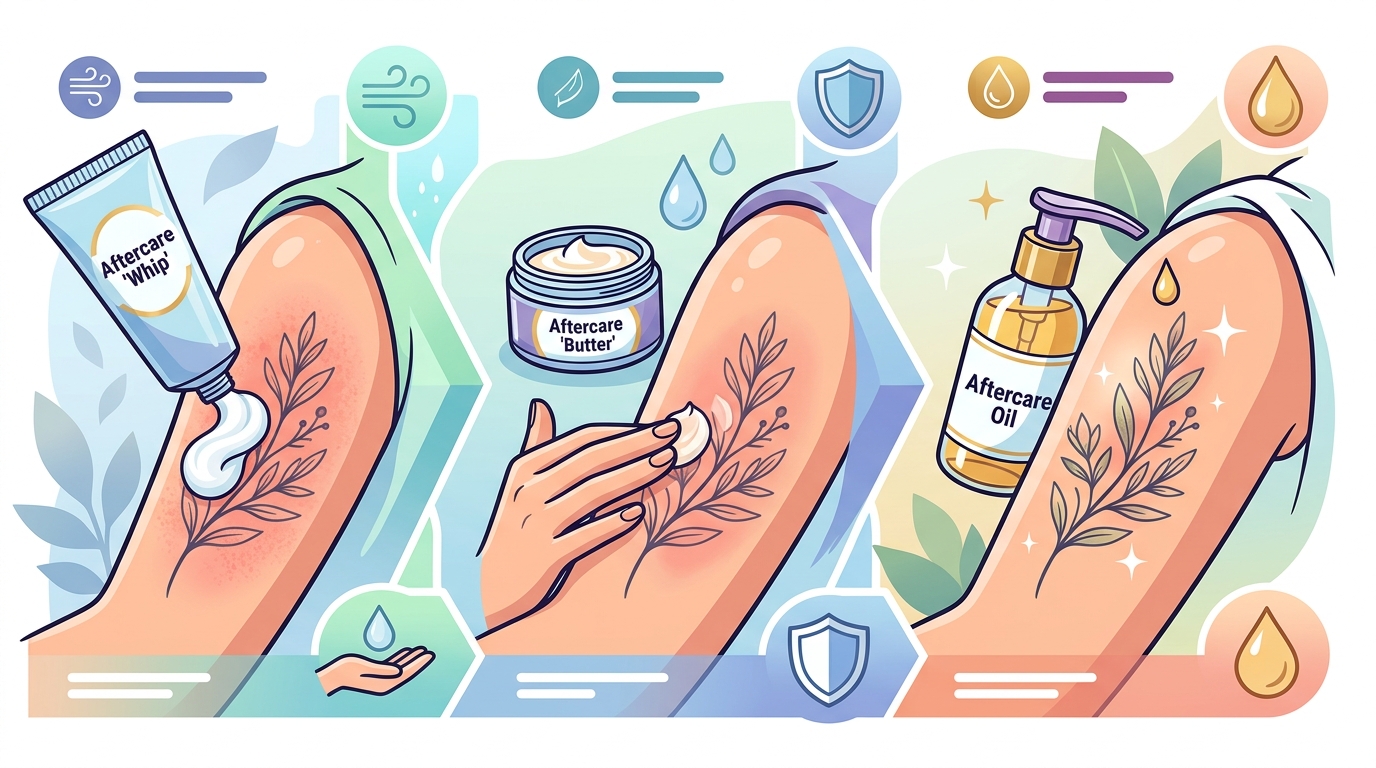
Apply a thin layer of aftercare product to clean, dry skin. The Painless Tattoo Ultimate Aftercare Guide emphasizes keeping the tattoo hydrated while avoiding over-moisturizing, as too much product can suffocate the skin and cause issues. A lightweight option like Alpha Tattoo Whip is worth considering here because its whipped texture absorbs quickly without sitting heavy on reactive skin.
Stage Two: The Peeling Phase (Days 3 to 10)
Peeling is normal. Most people experience flaking similar to a sunburn. The urge to scratch can be intense, but scratching can damage the ink and prolong irritation.
Managing the Itch
Keep the area moisturized with light, consistent applications. Reaching for your aftercare product when the tattoo feels tight or dry can relieve itchiness without scratching. For sensitive-skin individuals, choosing a product free of artificial dyes and fragrances matters most during this window.
What to Wear
Opt for loose, breathable clothing made from natural fabrics like cotton. Friction from tight garments can aggravate already-reactive skin and pull at peeling areas.
Stage Three: Deep Repair (Weeks 2 to 6)
Surface-level healing may look complete, but the deeper layers of skin continue to repair and regenerate for weeks or even months. A tattoo generally takes about 2 to 4 weeks to heal on the surface and up to 6 months below the surface.
During this phase, you can transition to a richer aftercare product. Alpha Tattoo Butter, crafted from a blend of organic ingredients including Shea Butter, Mango Butter, and essential oils like Lavender, provides deeper nourishment as the skin finishes remodeling. Once fully healed, protect your tattoo from sun damage by applying a high-SPF, broad-spectrum sunscreen every time you head outdoors.
Choosing the Right Aftercare Texture
Aftercare texture is the consistency and feel of a topical product when applied to the skin. It matters for sensitive skin because heavier formulas can trap heat and moisture, while ultra-light formulas may not provide enough barrier protection. The Painless Tattoo Alpha Aftercare line offers three distinct textures, each suited to different moments in the healing timeline.
| Product | Texture | Best For | Key Traits |
|---|---|---|---|
| Alpha Whip | Light, whipped | Days 1 to 7; reactive or oily skin | Fast-absorbing, soothing, organic ingredients |
| Alpha Butter | Rich, creamy | Days 7+; dry or normal skin | Shea & Mango Butter, Lavender, Rosemary |
| Alpha Oil | Lightweight oil | Any stage; quick absorption needed | Glycerin, essential fatty acids, chemical-free |
If you are unsure which texture suits your skin, many people start with the lighter option and graduate to the butter as peeling subsides. Your tattoo artist can also weigh in based on your piece's size and placement.
Ingredients to Look For and Avoid
For sensitive or reaction-prone skin, ingredient labels deserve extra attention. Here is a quick reference.
Ingredients That Tend to Support Sensitive Skin
- Shea Butter and Mango Butter for deep, gentle moisture
- Lavender oil for its traditionally soothing profile
- MCT Oil for lightweight hydration
- Glycerin for attracting moisture to the skin barrier
Ingredients to Avoid During Healing
- Artificial fragrances and dyes
- Petroleum-based products, which can cause ink to fade according to dermatologists
- Alcohol-based formulas that strip moisture
- Heavy occlusive ointments that may clog pores on reactive skin
Always read labels carefully. The Painless Tattoo product line emphasizes organic, naturally sourced ingredients across its aftercare range.
Key Takeaways
- Sensitive skin benefits from fragrance-free, lightweight aftercare products, especially in the first week.
- Over-moisturizing can be just as problematic as under-moisturizing for reactive skin.
- A whipped texture like Alpha Whip absorbs quickly and reduces the risk of pore congestion on fresh tattoos.
- Transition to a richer product such as Alpha Butter once surface peeling subsides.
- Always follow your tattoo artist's specific aftercare instructions; they know your piece best.
- Consult a dermatologist before getting tattooed if you have a diagnosed skin condition like eczema or psoriasis.
- Protect healed tattoos with broad-spectrum sunscreen to maintain vibrancy long term.
Frequently Asked Questions
Can I get a tattoo if I have sensitive skin?
Most people with sensitive skin can get tattoos with few issues. It is a good idea to consult a dermatologist first and ask your artist for a patch test to see how your skin reacts to the ink before committing to a larger piece.
What type of soap should I use on a fresh tattoo?
Use a mild, fragrance-free soap. Fragrance is one of the most common causes of contact irritation on healing skin. Your artist may have a specific brand recommendation.
How often should I moisturize my new tattoo?
Apply a thin layer of aftercare product after each wash, typically two to three times per day. Avoid piling on thick layers; your skin needs to breathe.
What is the difference between Alpha Whip, Alpha Butter, and Alpha Oil?
Alpha Whip has a light, whipped texture ideal for the early healing days. Alpha Butter is a richer cream suited to the later peeling and repair stages. Alpha Oil is a fast-absorbing, lightweight oil that blends glycerin and essential fatty acids for hydration at any stage.
Should I avoid sun exposure on my tattoo?
Yes. Keep your fresh tattoo out of direct sunlight until it is fully healed. Once healed, apply a high-SPF, broad-spectrum sunscreen regularly to prevent fading.
When should I see a dermatologist about my tattoo?
If you notice persistent redness, swelling that worsens instead of improving, unusual rashes, or signs of infection like pus, contact a healthcare provider promptly. The American Academy of Dermatology recommends seeing a board-certified dermatologist if tattooed skin changes in any way.
Is it normal for my tattoo to itch during healing?
Yes. Itching typically begins during the peeling phase around days 3 to 10. Applying your aftercare moisturizer can help soothe the itch. Never scratch the area, as this can damage the tattoo.
Can I use the Painless Tattoo Numbing Cream if I have sensitive skin?
Many individuals with sensitive skin reach for topical numbing options before their sessions. Discuss the use of any numbing product with your tattoo artist ahead of time so they can advise based on your skin history and the planned procedure. Browse the Painless All-Stars Kit for a bundled option that covers the full session.
Start Your Sensitive-Skin Aftercare Routine
Having the right products on hand before your appointment removes guesswork during healing. Explore the full Painless Tattoo aftercare collection to find the texture and formula that fits your skin. And remember: when in doubt, your tattoo artist and your dermatologist are your two best resources for personalized guidance.