
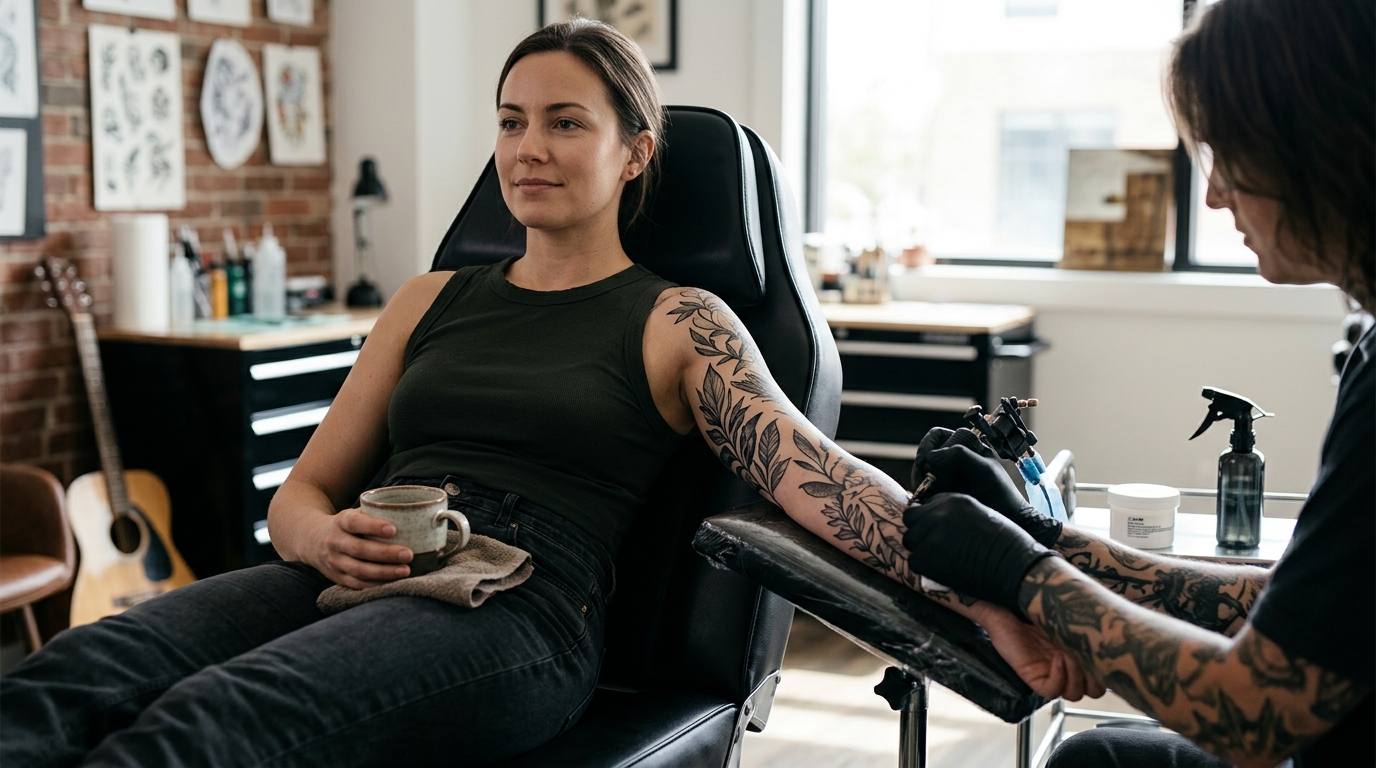
Long tattoo sessions test your body and your mindset. Whether you are sitting for a half-sleeve or a detailed back piece, hours under the needle can push anyone past their comfort zone. The good news is that smart preparation, the right products at each stage, and a few in-chair strategies can turn a grueling day into a manageable one. This guide walks you through every phase of a long session, from the night before your appointment to the days of aftercare that follow, so you can show up confident and leave with artwork you love.
Why Long Sessions Hurt More Than Short Ones
Your body releases endorphins and adrenaline when tattooing begins, creating a natural buffer against discomfort. According to Saniderm's tattoo pain guide, those natural pain relievers tend to wear off after roughly three to four hours. Once they fade, every pass of the needle feels sharper.
Session length also determines the type of sensation you experience. Outline work often feels like a sharp scratch, while extended shading can create a dull, burning buildup. Larger needle groupings used for color packing and shading compound the effect over time.
Body Placement Matters
Areas close to bone, such as ribs, elbows, knees, and the spine, are among the most sensitive spots. If your long session covers any of these zones, plan for extra support at each stage of the tattoo journey.
Prepare the Night Before
Preparation is not optional for a marathon sitting. What you do in the 24 to 48 hours before your appointment directly shapes your pain tolerance and stamina.
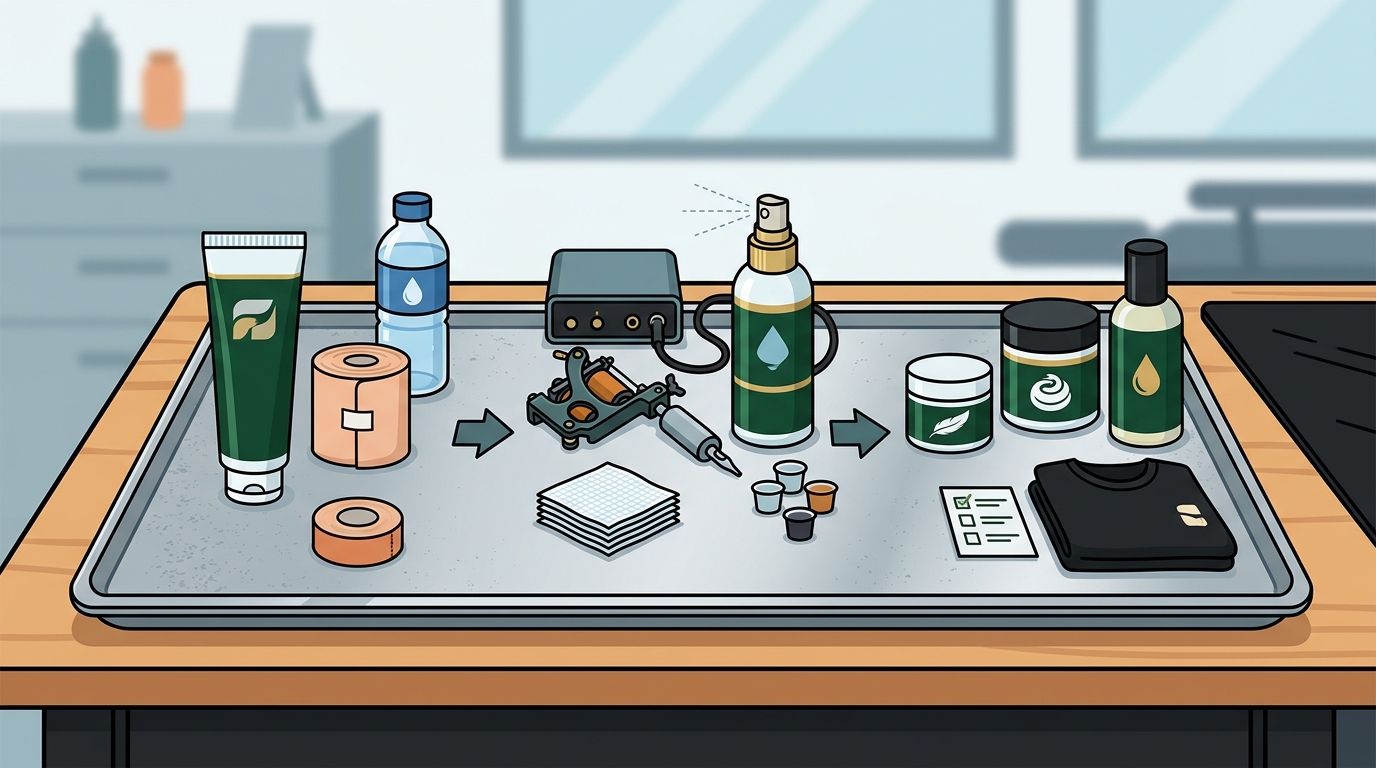
Hydration and Nutrition
Hydrated skin is more elastic and accepts ink more smoothly, which means fewer repeated passes and less irritation. Start increasing your water intake at least two days before your session. Eat a protein-rich meal one to two hours before your appointment, and pack high-glucose snacks like fruit or juice for the chair.
Sleep and Rest
Sleep deprivation lowers your pain threshold significantly. Aim for a full night of quality rest so your nervous system is as resilient as possible. Avoid alcohol for at least 48 hours beforehand, as it can thin the blood and heighten sensitivity.
| Preparation Step | When to Start | Why It Helps |
|---|---|---|
| Increase water intake | 48 hours before | Improves skin elasticity and ink uptake |
| Avoid alcohol | 48 hours before | Prevents blood thinning and extra sensitivity |
| Full night of sleep | Night before | Raises natural pain tolerance |
| Protein-rich meal | 1-2 hours before | Stabilizes blood sugar and energy |
| Pack snacks and water | Day of | Sustains energy during long sittings |
| Wear loose, comfortable clothing | Day of | Easy access to tattoo area, less friction |
Pre-Session Numbing Options
A topical numbing cream is a product containing a local anesthetic, typically lidocaine, that is applied to the skin before a procedure to temporarily reduce sensation. Many tattoo collectors reach for a numbing cream before longer appointments, especially when the work covers sensitive areas like the elbow ditch, ribs, or kneecap.
Painless Tattoo Numbing Cream is designed for use before a tattoo session. Always coordinate with your tattoo artist before using any numbing product so they can adjust their workflow. Your artist is the best resource for guidance on how a numbing product fits into their process.
During-Session Pain Strategies
Breathing and Distraction
Deep, rhythmic breathing activates your parasympathetic nervous system, which helps counteract the stress response. Pair breathing with a distraction: music, a podcast, a show on your phone, or conversation with your artist. Distraction is one of the most effective methods for reducing perceived pain during any prolonged procedure.
Strategic Breaks
Most artists will suggest breaks every two to three hours. Use that time to stretch, hydrate, and eat a quick snack. Be mindful that too many breaks can work against you. Once your body adapts to the sensation, stopping and restarting can make the discomfort feel more intense when the needle returns.
Communication with Your Artist
Your artist wants you to have a manageable experience. Let them know when you need a pause, if the position is uncomfortable, or if a particular area feels especially intense. Open dialogue helps both of you stay focused and keeps the session moving forward efficiently.
Mid-Session Numbing Spray
A numbing spray is a topical anesthetic in aerosol or liquid form that can be applied to the skin during a tattoo session once the skin has been opened. Unlike pre-session creams, sprays are intended for use while work is already in progress.
Painless Tattoo Numbing Spray is built for this mid-session role. When the initial numbing cream begins to wear off partway through a long sitting, the spray can offer continued comfort for the remaining hours. Talk to your artist about incorporating a spray into the session flow.
Aftercare Starts Immediately
Pain management does not end when the machine stops. A freshly tattooed area behaves like a superficial skin disruption, and what you apply in the hours and days that follow matters for both comfort and the long-term look of your ink.
Choosing the Right Aftercare Product
Painless Tattoo offers three aftercare products, each with a distinct texture and use case:
| Product | Texture | Best For |
|---|---|---|
| Alpha Tattoo Butter | Soft, light butter | Daily moisturizing during the healing window; gentle on tender skin |
| Alpha Tattoo Whip | Airy, whipped cream feel | Lightweight hydration; great for people who dislike heavy creams |
| Alpha Tattoo Oil | Lightweight oil | Long-term vibrancy and deep skin nourishment on healed tattoos |
Both the Whip and the Butter carry vegan formulations, making them a solid choice for collectors who prioritize plant-based ingredients. The Alpha Tattoo Oil features alligator fat, an ingredient with a long history in traditional skin care that is gaining interest for its unique fatty-acid profile.
Follow your tattoo artist's specific aftercare guidance. They know the depth and style of the work they just completed, and their recommendations should always take priority.
Key Takeaways
- Your body's natural endorphins typically wear off after three to four hours, making preparation essential for longer sessions.
- Hydration, sleep, and a solid meal are the foundation of pain management before you ever sit in the chair.
- A pre-session numbing cream like Painless Tattoo Numbing Cream can help reduce sensation during the early hours of a long sitting.
- Mid-session numbing spray extends comfort when the initial cream begins to wear off.
- Breathing techniques and distraction are simple, proven ways to lower perceived pain.
- Aftercare products like Alpha Butter, Whip, and Oil each serve a different stage and skin preference in the healing process.
- Always coordinate numbing products and aftercare routines with your tattoo artist.
Frequently Asked Questions
How long is considered a long tattoo session?
Most artists define a long session as anything over three hours. Full-day sittings can run six to eight hours or more, depending on the complexity of the piece and the client's endurance.
Why does the pain get worse later in a session?
Your body's adrenaline and endorphin response fades after roughly three to four hours. After that point, the nerve endings in the area become increasingly sensitized, and the cumulative skin irritation amplifies discomfort.
Can I use a numbing cream and a numbing spray in the same session?
Many collectors use a cream before the session and a spray during the session. These are two different product types designed for different stages. Speak with your tattoo artist about how they prefer to incorporate both into their workflow.
What should I eat before a long tattoo session?
A balanced meal with protein, complex carbohydrates, and healthy fats one to two hours before your appointment helps stabilize blood sugar. Bring fruit, juice, or granola bars to snack on during breaks.
Are Painless Tattoo aftercare products vegan?
The Alpha Tattoo Whip and Alpha Tattoo Butter are formulated with vegan ingredients. The Alpha Tattoo Oil contains alligator fat, so it is not vegan. Check individual product pages on painlesstattoo.co for full ingredient lists.
How often should I take breaks during a long session?
A break every two to three hours is a common recommendation among tattoo artists. Use breaks to stretch, hydrate, and eat, but avoid taking so many that you lose the adapted tolerance your body builds up during continuous work.
Does body placement affect how much a long session hurts?
Yes. Areas with thin skin or proximity to bone, like ribs, elbows, knees, and the spine, tend to produce more intense sensations. Discuss placement considerations with your artist during your consultation.
Get Ready for Your Next Long Session
Preparation and the right products at each stage make all the difference. Explore the full Painless Tattoo product line to find the numbing and aftercare options that fit your next appointment, and always check in with your tattoo artist before your session.