
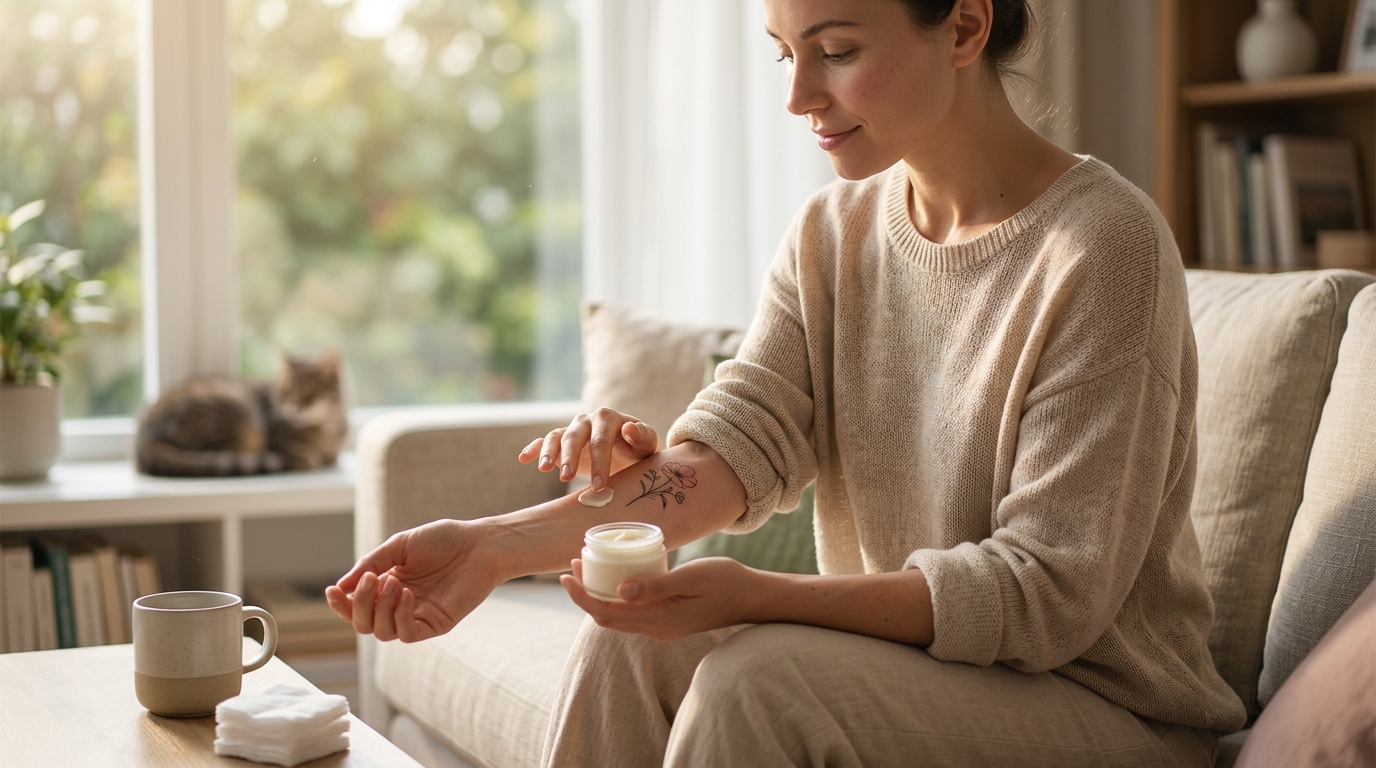
Getting a tattoo when you have sensitive or reaction-prone skin can feel intimidating. Redness that lingers longer than expected, itching that borders on unbearable, or products that seem to make things worse instead of better are all common frustrations. The good news is that sensitive skin does not disqualify you from beautiful ink. It simply means your aftercare routine needs to be more intentional. This guide walks you through every stage of the tattoo journey, from pre-session skin prep to long-term maintenance, with a focus on keeping reactive skin calm, hydrated, and supported throughout the process.
Understanding Sensitive Skin and Tattoos
Sensitive skin is skin that reacts more intensely to stimuli such as fragrances, dyes, environmental changes, or physical trauma. A tattoo is essentially controlled trauma to the skin, and for sensitive skin types, that trauma can trigger a stronger inflammatory response. According to the American Academy of Dermatology, it is normal to see some redness, swelling, clear fluid, itching, and flaking as your skin heals after a tattoo.
People who experience chronic skin conditions like eczema or psoriasis may be more likely to experience adverse reactions after receiving a tattoo. If you have a known skin condition, a conversation with a board-certified dermatologist before booking your appointment is a smart first step.
Before Your Session: Preparing Reactive Skin
Your skin's condition before the appointment heavily influences how your tattoo heals afterward. Dry, irritated, or inflamed skin is harder to tattoo consistently and more difficult for the body to recover from. In the week leading up to your session, focus on keeping skin hydrated and calm.
Pre-Session Checklist for Sensitive Skin
- Hydrate well by drinking plenty of water for at least three days before your appointment.
- Avoid harsh exfoliants, retinoids, and active acids on the area being tattooed.
- Wear loose, breathable clothing to your session, especially over the area that will be inked.
- Communicate your skin sensitivities to your tattoo artist so they can choose compatible products.
- If you are considering a topical numbing option, review the Painless Tattoo Numbing Cream details and do a small patch test first if you know you are prone to reactions.
The First 48 Hours After Your Tattoo
The first two days are the most critical window for any fresh tattoo. Before removing your bandage, wash and dry your hands with antibacterial soap. Once the bandage is off, gently clean the area with lukewarm water and a mild, fragrance-free soap. Pat dry with a clean paper towel or let it air dry.
After cleaning and allowing the area to dry, apply a thin layer of aftercare product. This keeps the tattoo hydrated and supports the skin's recovery. Avoid over-moisturizing, as too much product can suffocate the tattoo and cause issues. For sensitive skin specifically, avoid petroleum-based ointments that can trap bacteria and trigger breakouts.
What to Avoid in the First 48 Hours
- Submerging the tattoo in water (pools, baths, hot tubs)
- Direct sun exposure on the fresh tattoo
- Tight clothing that rubs against the inked area
- Touching the tattoo with unwashed hands
Week One Through Three: The Active Healing Phase
Tattoo healing is usually complete after two to three weeks on the surface, though full sub-surface healing can take up to six months. During weeks one through three, peeling and scabbing often cause intense itching as the skin regenerates. Resist the urge to pick or scratch.
Continue washing the tattoo twice daily with lukewarm water and fragrance-free soap. Apply a thin layer of your chosen Painless Tattoo aftercare product to keep skin nourished without overloading it. Natural fabrics like cotton allow the skin to breathe and support a smoother recovery.
Choosing Aftercare Products for Sensitive Skin
Quality aftercare products are designed to support your skin's natural processes, minimizing the risk of irritation and helping your tattoo settle cleanly. The best products use ingredients that are gentle on the skin, accelerate recovery, and have naturally occurring antibacterial properties. Inferior products can lead to excessive scabbing or color fading.
For reactive skin, look for formulas that are fragrance-free, made with organic ingredients, and free of petroleum bases and artificial dyes. The Painless Tattoo Ultimate Aftercare Guide is a helpful starting point for understanding what to look for and what to avoid.
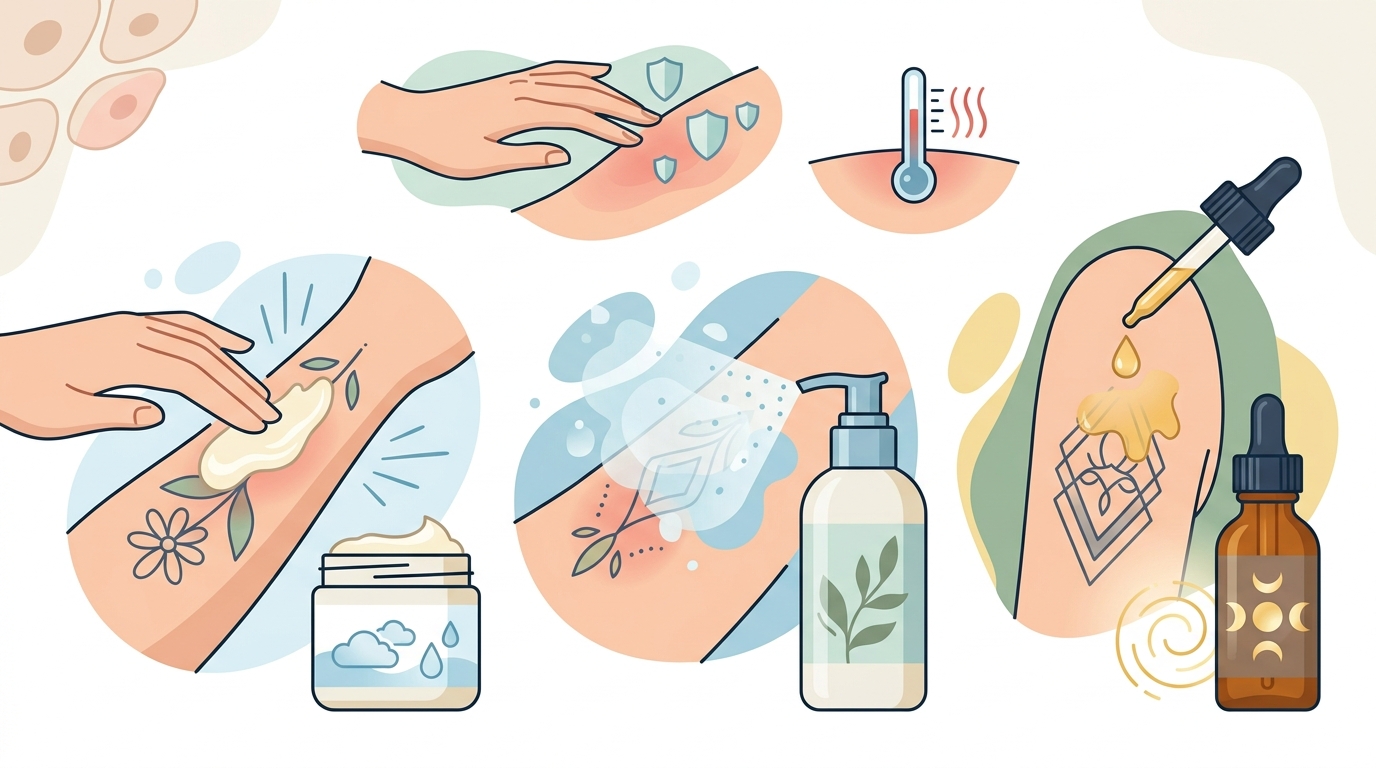
Whip vs. Butter vs. Oil: Which Texture Fits Your Skin
Painless Tattoo offers three distinct aftercare textures, each designed for different preferences and skin needs. Here is how they compare:
| Product | Texture | Best For | Key Feature |
|---|---|---|---|
| Alpha Whip | Light, whipped, airy | Sensitive skin that clogs easily; daily use during healing | Combines the feel of aloe gel, rich butters, and hydrating lotion in one formula |
| Alpha Butter | Rich, creamy, dense | Dry or very dry skin; deep moisturizing during and after healing | Multifunctional: works as tattooing glide, aftercare treatment, or daily moisturizer |
| Alpha Oil | Lightweight liquid, fast-absorbing | Skin that needs hydration without residue; long-term tattoo maintenance | Proprietary Advanced Growth Factor Technology; chemical-free and fast-absorbing |
For sensitive skin, the Alpha Whip is often the easiest entry point. Its light, whipped texture ensures smooth application without clogging pores or feeling heavy. If your skin runs very dry or you are past the initial healing phase, the Alpha Butter provides an intensive, deep-moisturizing experience. The Alpha Oil is a strong choice for long-term care once your tattoo has fully healed.
Warning Signs That Need Professional Attention
Not every reaction is cause for alarm, but some symptoms warrant a visit to a licensed dermatologist or your primary care provider. According to the AAD, you should seek medical attention if redness spreads or darkens instead of fading, if pain worsens instead of subsiding, or if you notice open sores, pus, or a spreading rash within the tattooed area.
A mild or moderate allergic reaction that lasts longer than one to two weeks also merits a professional evaluation. Always communicate any concerning changes to your tattoo artist, and never hesitate to consult a board-certified dermatologist when something does not look or feel right.
Key Takeaways
- Sensitive skin can heal tattoos beautifully with an intentional, gentle aftercare routine.
- Prepare your skin in the days before your session by keeping it hydrated and free of harsh actives.
- Avoid fragranced, petroleum-based, or heavily dyed products on fresh tattoos.
- Apply aftercare in thin layers to prevent over-moisturizing, which can suffocate the tattoo.
- Choose the right texture for your skin type: Whip for lightweight, Butter for deep moisture, Oil for long-term care.
- Surface healing typically takes two to four weeks; full sub-surface healing can take up to six months.
- When in doubt, consult your tattoo artist or a board-certified dermatologist rather than self-diagnosing.
Frequently Asked Questions
Can people with sensitive skin get tattoos safely?
Yes. People with sensitive skin can usually get tattoos with few issues. It helps to consult a dermatologist beforehand, choose a reputable artist, and use aftercare products formulated with gentle, organic ingredients. Communication with your artist about your skin history is key.
What ingredients should I avoid in tattoo aftercare products?
Avoid artificial fragrances, petroleum-heavy bases, artificial dyes, and products containing alcohol or harsh preservatives. These are common irritants that can amplify redness, itching, and dryness in reactive skin types.
How do I know if my tattoo reaction is normal or a sign of something worse?
Some redness, swelling, and itching in the first few days is expected. If redness darkens or spreads, pain worsens, or you see pus or open sores, contact a medical professional immediately. The U.S. Dermatology Partners recommend early identification of symptoms for the best outcomes.
Which Painless Tattoo aftercare product is best for sensitive skin?
The Alpha Whip is a popular starting point for sensitive skin because of its light, whipped texture and organic ingredient base. It provides hydration and nourishment without feeling heavy or clogging pores.
How long does tattoo healing take for sensitive skin?
Surface healing generally takes two to four weeks, while full sub-surface healing can take up to six months. People with sensitive skin may experience slightly longer periods of redness or itching, but following a consistent aftercare routine can help keep things on track.
Should I do a patch test before using numbing cream?
If you know you are prone to skin reactions, testing a small amount on a discreet area first is a sensible step. Some minor localized redness is considered normal. If you have very sensitive skin or known allergies, evaluate whether the product is right for you before your appointment.
Can I use regular lotion on my healing tattoo?
Standard body lotions often contain fragrances and additives that can irritate a healing tattoo, especially on sensitive skin. Purpose-built tattoo aftercare products are formulated to hydrate without introducing unnecessary irritants.
When should I start using sunscreen on my tattoo?
Wait until your tattoo is fully healed before applying sunscreen. Once healed, protect your tattoo from UV damage by applying a high-SPF, broad-spectrum sunscreen before sun exposure to prevent fading and maintain vibrancy.
Start Building Your Sensitive-Skin Aftercare Kit
Ready to set your skin up for a smooth tattoo experience? Explore the full Painless Tattoo product line to find the aftercare texture that matches your skin type and stage of healing. Whether you reach for the Whip, Butter, or Oil, your sensitive skin deserves products built with intention.