

If your skin tends to react to new products, fragrances, or environmental changes, getting a tattoo can feel like a leap of faith. The good news is that people with sensitive skin get beautiful tattoos every day. The key is choosing the right aftercare routine and sticking with it. According to research published in the Journal of Cosmetic Dermatology, immediate adverse tattoo reactions can occur in 15% to 68% of cases, and proper aftercare with a specifically designed product is essential to limit discomfort. This guide walks you through what sensitive skin actually means in the tattoo context, which products fit each stage, and how to set yourself up for a smooth experience.
What Sensitive Skin Means for Tattoos
Sensitive skin is a skin type characterized by a heightened reaction to various stimuli, including skincare products, environmental factors, and stress. People with this skin type often experience redness, itching, or irritation from ingredients that others tolerate without issue.
In the tattoo context, sensitivity matters because the tattooing process deposits ink into the dermis through thousands of needle pricks per minute. Your body's immune response sends white blood cells to the area, which can amplify reactions in skin that is already reactive. If you have a history of eczema, psoriasis, or contact dermatitis, the American Academy of Dermatology recommends seeing a board-certified dermatologist before getting tattooed.
Before Your Session: Preparation Checklist
Preparation is half the battle for sensitive skin. Talking with your tattoo artist about your skin history gives them the chance to adjust their approach, from ink selection to bandage type.
What to Have Ready
- A fragrance-free, gentle cleanser for post-session washing
- Your chosen Alpha Aftercare product (Whip, Butter, or Oil)
- Loose, breathable clothing made from natural fabrics like cotton
- A conversation with your artist about any known allergies or past skin reactions
Patch Testing
If you plan to use any topical product before or after your session, consider testing a small amount on a non-tattooed area of skin first. Painless Tattoo notes on its product pages that individuals prone to sensitive skin should test a small amount before full application. That simple step can save you from an unwelcome surprise on session day.
Aftercare by Stage: A Day-by-Day Outline
Tattoo healing typically progresses through phases of initial redness and sensitivity, followed by peeling and mild itching, and finally deeper surface repair. For sensitive skin, the guiding principle at every stage is the same: keep the area clean, hydrated, and free from unnecessary irritants. Always follow your tattoo artist's specific guidance first.
Days 1 to 3: Initial Care
Keep the initial bandage on for as long as your artist recommends. Once removed, gently wash the area with lukewarm water and a fragrance-free soap. Pat dry with a clean paper towel. Apply a thin layer of your Painless Tattoo Aftercare product to keep the tattoo hydrated.
Days 4 to 14: The Peeling Phase
This is when itching typically peaks. Avoid scratching, and reach for your aftercare product when the skin feels tight or dry. Over-moisturizing can suffocate the tattoo and cause issues, so a thin layer is all you need. Wear loose clothing to minimize friction against the healing skin.
Week 3 and Beyond: Long-Term Protection
Surface healing generally takes about 2 to 4 weeks, while deeper skin layers can continue to repair for up to 6 months. Once fully healed, protect your tattoo from UV exposure by applying a broad-spectrum sunscreen with SPF 30 or higher. The AAD notes that UV light can fade some tattoo inks over time.
Choosing the Right Aftercare Product for Your Skin
Aftercare product selection is one of the most important decisions for someone with reactive skin. A tattoo aftercare product is a topical formulation designed to support the skin's recovery after tattooing by providing hydration, soothing irritation, and protecting the area from environmental factors.
For sensitive skin, look for formulas that are fragrance-free, made with organic or natural ingredients, and free from petroleum-based compounds. Petroleum-based products can trap bacteria and worsen sensitivity. Painless Tattoo's Alpha Aftercare line is formulated with organic ingredients and includes anti-inflammatory and antibacterial properties.
Alpha Whip vs. Butter vs. Oil: Which One Fits?
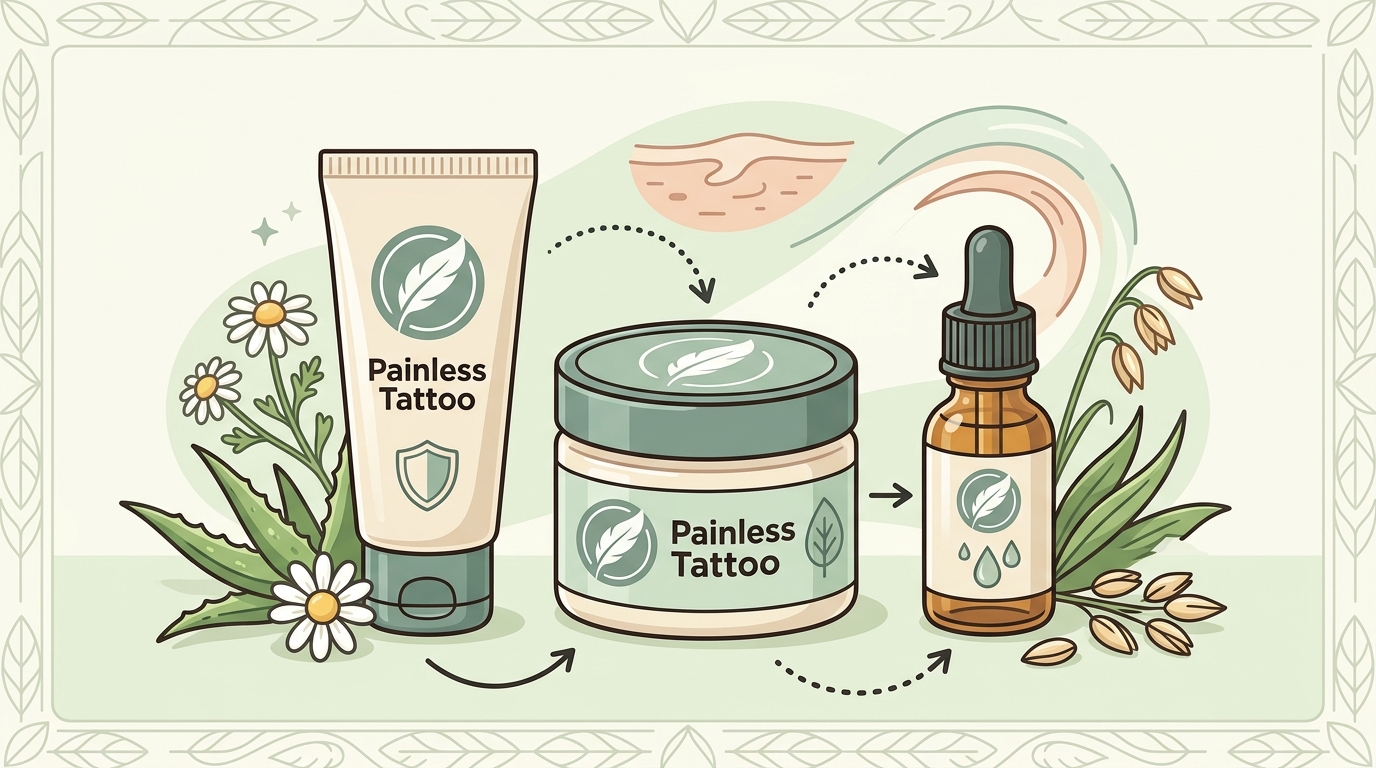
Painless Tattoo offers three distinct aftercare products. Each serves the same core purpose but delivers a different texture and experience. Here is a side-by-side look to help you decide.
| Feature | Alpha Whip | Alpha Butter | Alpha Oil |
|---|---|---|---|
| Texture | Light, whipped, airy | Rich, creamy butter | Liquid, fast-absorbing oil |
| Key Ingredients | 100% organic blend with aloe-like soothing qualities | Shea Butter, Mango Butter, Lavender, MCT Oil | Glycerin, essential fatty acids, proprietary growth factor blend |
| Best For | People who prefer lightweight feel; sensitive or oily skin | Those who like richer moisture; drier skin types | Fast absorption; both new and existing tattoos |
| Sensitive Skin Fit | Excellent: light formula less likely to clog pores | Very good: organic ingredients, nourishing profile | Very good: chemical-free, fast absorbing |
| Use Stage | Daily during healing and ongoing maintenance | Daily during healing and ongoing maintenance | Daily during healing and long-term preservation |
If you tend toward breakouts or your skin feels suffocated by heavier products, the Alpha Whip's light, whipped texture is worth trying first. For drier, flakier sensitive skin, the Alpha Butter's blend of Shea and Mango Butters delivers richer hydration. The Alpha Oil works well across skin types thanks to its fast-absorbing formula.
Common Skin Reactions and When to Seek Help
A skin reaction is any visible or sensory change in the skin, such as redness, swelling, itching, or rash, that appears in response to a stimulus. Some degree of redness and tenderness after a tattoo is completely normal and typically subsides within the first few days.
However, symptoms that persist or worsen, such as increasing redness, warmth, unusual discharge, or fever, may signal something that needs professional attention. The AAD advises seeing a board-certified dermatologist if your tattooed skin is changing in any way. Your tattoo artist is also a great first point of contact for questions about what looks normal versus what does not.
Key Takeaways
- Sensitive skin can handle tattoos well with the right preparation and aftercare routine.
- Fragrance-free, organic-ingredient products reduce the risk of irritation during healing.
- A thin layer of aftercare product is better than a thick one; over-moisturizing can cause problems.
- Healing takes 2 to 4 weeks on the surface and up to 6 months beneath it; patience matters.
- Alpha Whip offers the lightest texture for reactive skin, while Alpha Butter and Alpha Oil suit different moisture preferences.
- Always consult your tattoo artist first and a dermatologist if you have a diagnosed skin condition.
- Protect healed tattoos with SPF 30+ sunscreen to maintain vibrancy and prevent UV-related reactions.
Frequently Asked Questions
Can people with sensitive skin safely get tattoos?
Yes, most people with sensitive skin can get tattoos without major complications. The key is to consult with a dermatologist beforehand if you have a condition like eczema or psoriasis, and to use gentle, fragrance-free aftercare products throughout the healing process.
What ingredients should I avoid in tattoo aftercare products?
Fragrances are a common irritant for sensitive skin and are best avoided during healing. Petroleum-based products can trap bacteria and worsen sensitivity. Look for formulas built around organic, naturally derived ingredients instead.
How often should I moisturize a new tattoo if I have sensitive skin?
Apply a thin layer of aftercare product after each gentle cleansing, typically two to three times per day. Avoid over-moisturizing, as too much product can suffocate the tattoo and slow recovery. Follow your artist's specific recommendations.
What is the difference between Alpha Whip, Alpha Butter, and Alpha Oil?
Alpha Whip has a light, whipped texture ideal for skin that reacts to heavier products. Alpha Butter is a richer formula with Shea Butter and Mango Butter for drier skin types. Alpha Oil is a fast-absorbing liquid that uses a proprietary growth factor blend. All three are designed for daily use during and after healing.
How long does a tattoo take to heal?
Surface healing generally takes about 2 to 4 weeks. However, the deeper layers of skin can continue to repair for up to 6 months. During this entire period, keeping the area moisturized and protected supports the best outcome.
When should I see a doctor about a tattoo reaction?
If you notice symptoms that worsen rather than improve after the first few days, such as increasing redness, swelling, warmth, unusual discharge, or fever, seek guidance from a healthcare provider or dermatologist promptly. Do not attempt to self-treat a suspected infection.
Is it safe to use numbing cream if I have sensitive skin?
People with sensitive skin should patch-test any topical numbing product on a small area first. Painless Tattoo recommends testing a small amount and watching for reactions before full application. If you have very sensitive skin or known allergies, discuss with your artist or a healthcare professional whether numbing products are appropriate for you.
Should I avoid sun exposure on a new tattoo?
Yes. Keep your fresh tattoo out of direct sunlight until it is fully healed. Once healed, apply a broad-spectrum sunscreen with SPF 30 or higher whenever the tattooed area will be exposed to UV light. This helps preserve ink vibrancy and reduces the risk of UV-related skin reactions.
Ready to Build Your Sensitive Skin Aftercare Kit?
Browse the full Painless Tattoo Alpha Aftercare line to find the texture and formula that fits your skin. Whether you reach for the Whip, Butter, or Oil, each product is crafted with organic ingredients and designed to support your skin through every stage of healing.