
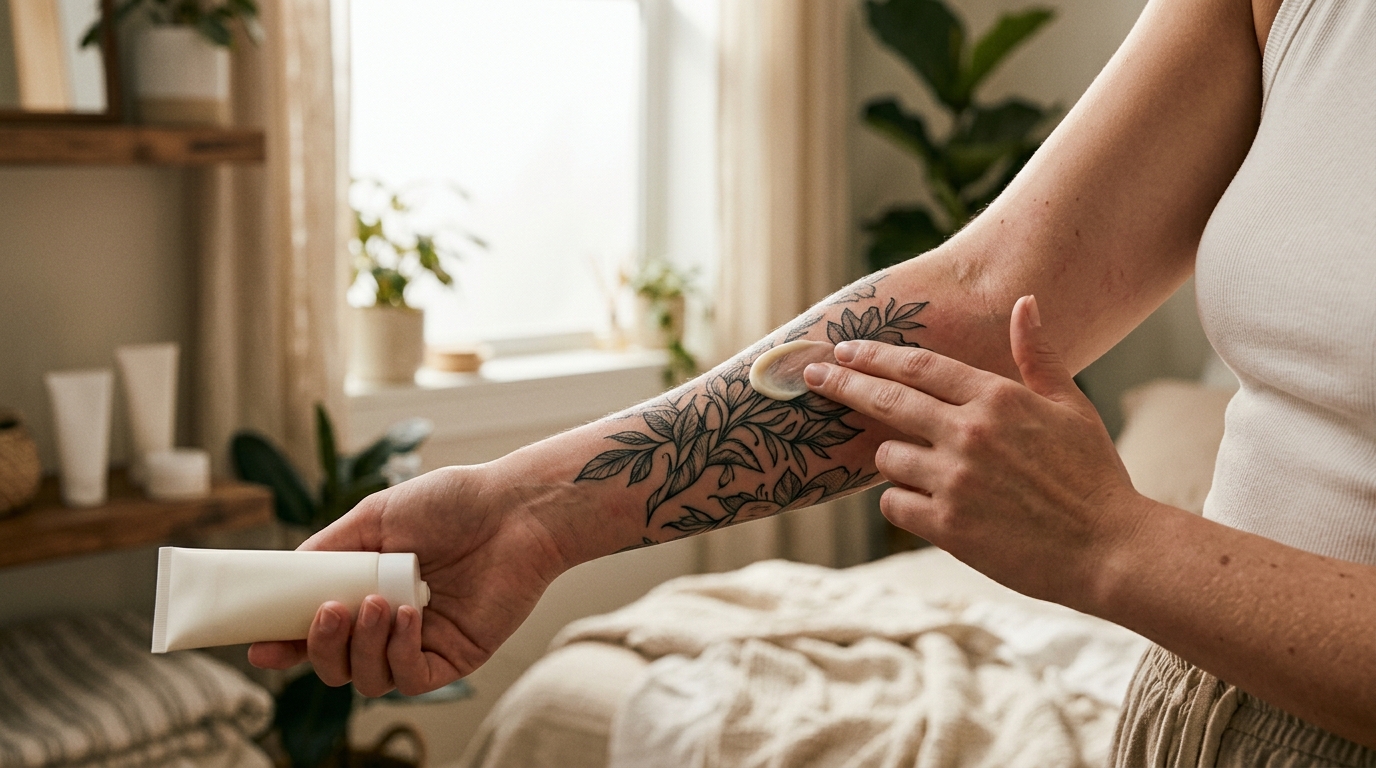
If your skin tends to flush, itch, or react to everyday products, caring for a fresh tattoo requires extra attention. Sensitive skin is a skin type that is more prone to inflammation, redness, or adverse reactions when exposed to irritants. According to European survey data, immediate adverse tattoo reactions can occur in 15% to 68% of cases, which means people with reactive skin should take aftercare seriously from day one. This guide walks you through what to expect, which products map to each stage of healing, and how to build a routine that keeps your ink vibrant without aggravating your skin.
Why Sensitive Skin Matters for Tattoo Healing
Tattooing deposits ink into the dermis, the layer of skin beneath the outer epidermis. Your body responds with an immune reaction that includes redness, swelling, and sensitivity to touch. For people with conditions like eczema, psoriasis, or general skin reactivity, these responses can be more intense and longer-lasting.
Dermatologists at the American Academy of Dermatology recommend seeing a board-certified dermatologist if you notice any unusual skin reaction around your tattoo. If you have a known skin condition, consulting a dermatologist before booking your appointment is a smart first move.
Before Your Session: Preparation Checklist
Preparation is half the battle when you have reactive skin. Talk to your tattoo artist about your skin history so they can adjust technique and recommend placement that avoids flare-up zones.
What to Have Ready
- A mild, fragrance-free antimicrobial soap for post-session cleansing
- Clean, breathable clothing (cotton is ideal) to wear over the tattooed area
- Your preferred Painless Tattoo aftercare product so it is ready to use when you get home
- A note from your dermatologist if you have a diagnosed skin condition
Choosing Placement Wisely
People with eczema or psoriasis tend to experience fewer flare-ups on the forearms, calves, and front of the thighs. Discuss placement options with both your artist and dermatologist to find areas that are less reactive for you.
The First 48 Hours After Your Tattoo
The initial window after your session is when your skin is most vulnerable. Tattoo healing typically progresses through phases of initial redness and sensitivity, followed by peeling, and finally deeper skin repair. During the first two days, your focus should be on gentle cleansing and light hydration.
Cleansing
Use lukewarm water and a mild, fragrance-free soap. Gently wash the area twice a day and pat dry with a clean paper towel. Never rub or scrub the tattoo, as friction on reactive skin can trigger unnecessary inflammation.
Hydration
After the area is completely dry, apply a thin layer of aftercare product. Over-moisturizing can suffocate the tattoo and trap heat against already-sensitive skin. A light touch goes a long way. Products like Alpha Tattoo Whip feature a light, whipped texture that absorbs without leaving a heavy residue, which many people with reactive skin find more comfortable than thick ointments.
Days 3 Through 14: The Peeling and Itching Phase
Around day three, you will likely notice flaking and mild itching. This is normal. The Cleveland Clinic notes that scabs will fall off on their own and warns against picking or pulling off flaky skin. For sensitive skin, resist the urge even more firmly, as broken scabs on reactive skin can lead to prolonged redness or textural changes.
Continue the twice-daily wash-and-moisturize routine. Keep the tattoo out of direct sunlight, swimming pools, and hot tubs until your artist confirms it is fully healed. Wearing loose, breathable fabrics like cotton helps the area air out and prevents friction.
Choosing the Right Aftercare Product for Your Skin
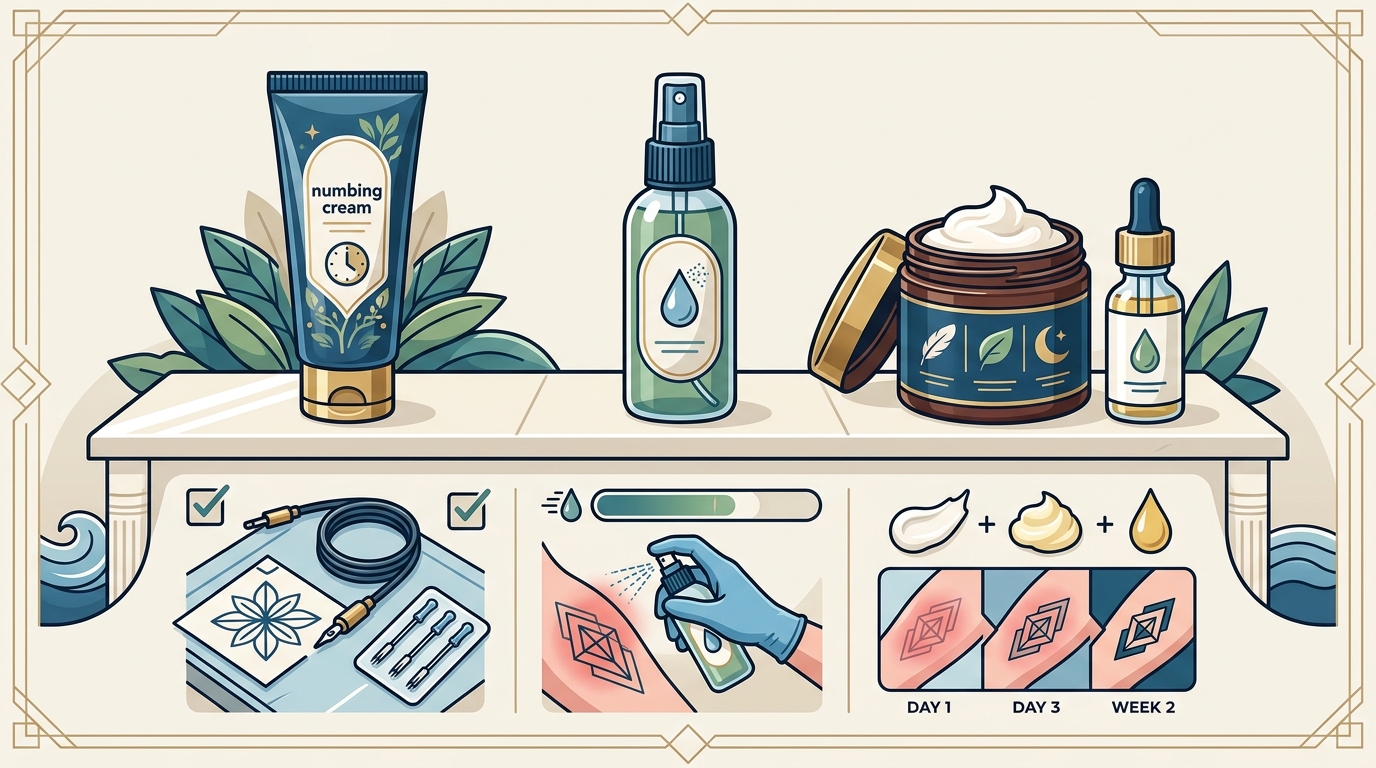
Not every aftercare product suits every skin type. Painless Tattoo offers three distinct aftercare formulas in the Alpha line, each designed for different preferences and textures. Aftercare is the category of products applied after the tattooing process to support skin recovery, maintain hydration, and preserve tattoo appearance.
| Product | Texture | Best For | Vegan |
|---|---|---|---|
| Alpha Whip | Light, airy, whipped | People who prefer a non-greasy feel; sensitive or oily skin | Yes |
| Alpha Butter | Rich, creamy | Deep moisturizing; dry or combination skin | Yes |
| Alpha Oil | Lightweight liquid | Fast absorption; daily maintenance of healed tattoos | Contact brand |
Alpha Whip is crafted from 100% organic ingredients and is fortified with anti-inflammatory and antibacterial properties. Alpha Butter offers a versatile, deep-moisturizing experience suitable for every stage of tattoo care. Alpha Oil uses proprietary Advanced Growth Factor Technology and is chemical-free and fast-absorbing. All three can be used on both new and healed tattoos.
If you are unsure which product fits your skin, your tattoo artist can offer guidance based on how your skin responded during the session. For a broader look at the full Painless Tattoo lineup, visit the product collection page.
Common Irritants and How to Avoid Them
A topical irritant is any substance that causes a localized inflammatory reaction when it contacts the skin. During tattoo healing, your skin barrier is compromised, making it more susceptible to irritants you might normally tolerate.
Ingredients to Watch Out For
- Artificial fragrances and dyes: These are among the most common causes of contact reactions on healing skin.
- Petroleum-based products: The AAD notes that petroleum jelly can cause ink to fade. It can also create an occlusive seal that traps heat on reactive skin.
- Alcohol-based cleansers: These strip moisture and can sting broken skin.
Environmental Triggers
- Sun exposure: UV rays can fade ink and increase irritation risk on fresh tattoos.
- Tight or synthetic clothing: Fabrics like polyester or wool can rub against healing skin and provoke reactions.
- Submerging in water: Pools, hot tubs, and baths introduce bacteria and chemicals to an open wound.
For ongoing tattoo care once healed, read the Ultimate Tattoo Aftercare Guide on the Painless Tattoo blog.
Key Takeaways
- Consult a dermatologist before getting tattooed if you have a known skin condition like eczema, psoriasis, or chronic sensitivity.
- Use only fragrance-free, dye-free products during the healing window to minimize the chance of a reaction.
- Wash your tattoo gently with lukewarm water and mild soap twice daily, then pat dry before applying a thin layer of aftercare.
- Avoid over-moisturizing. A thin layer of a product like Alpha Whip or Alpha Butter is enough.
- Never pick scabs or flaking skin. Let them shed naturally.
- Keep the tattoo out of direct sunlight, pools, and hot tubs until healing is complete.
- When in doubt, reach out to your tattoo artist or a licensed dermatologist for personalized guidance.
Frequently Asked Questions
Can people with sensitive skin get tattoos?
Yes. People with sensitive skin can usually get tattoos with few issues, but they should consult a dermatologist beforehand and choose an experienced artist who uses sterile techniques and gentle products.
How long does a tattoo take to heal on sensitive skin?
Surface healing typically takes about 2 to 4 weeks, while the deeper layers of skin can take up to 6 months to fully recover. Sensitive skin may trend toward the longer end of that range.
What soap should I use on a new tattoo if I have reactive skin?
Choose a mild, fragrance-free antimicrobial soap. Avoid products with sulfates, artificial dyes, or heavy perfumes. Your tattoo artist can recommend a specific brand they trust.
What is the difference between Alpha Whip and Alpha Butter?
Alpha Whip has a light, airy, whipped texture that absorbs quickly without a greasy feel. Alpha Butter provides a richer, deeper moisturizing experience. Both are vegan and made from organic ingredients. Your choice depends on whether you prefer a lighter or more intensive layer of hydration.
Should I use petroleum jelly on my new tattoo?
The American Academy of Dermatology advises using water-based lotions or creams instead, noting that petroleum-based products can cause ink to fade. For sensitive skin, a purpose-built tattoo aftercare product is generally a better fit.
When should I see a doctor about my healing tattoo?
If you notice worsening redness, persistent swelling, pus, fever, or spreading rash around the tattoo, contact a healthcare provider promptly. These can be signs of infection or an allergic reaction that needs professional attention.
Is Alpha Whip suitable for vegan lifestyles?
Yes. Alpha Whip and Alpha Butter are both formulated with vegan-friendly ingredients, making them a good option for people who prefer plant-based skincare.
Can I use regular lotion instead of tattoo aftercare products?
Regular lotions often contain fragrances, dyes, or other additives that can irritate healing skin. Purpose-formulated aftercare products are designed specifically to support the unique needs of tattooed skin during recovery.
Your Next Step
Ready to build a sensitive-skin-friendly aftercare kit? Explore the full Alpha Aftercare collection to find the texture and formula that matches your skin. And remember, your tattoo artist and dermatologist are always the best resources for personalized advice.