
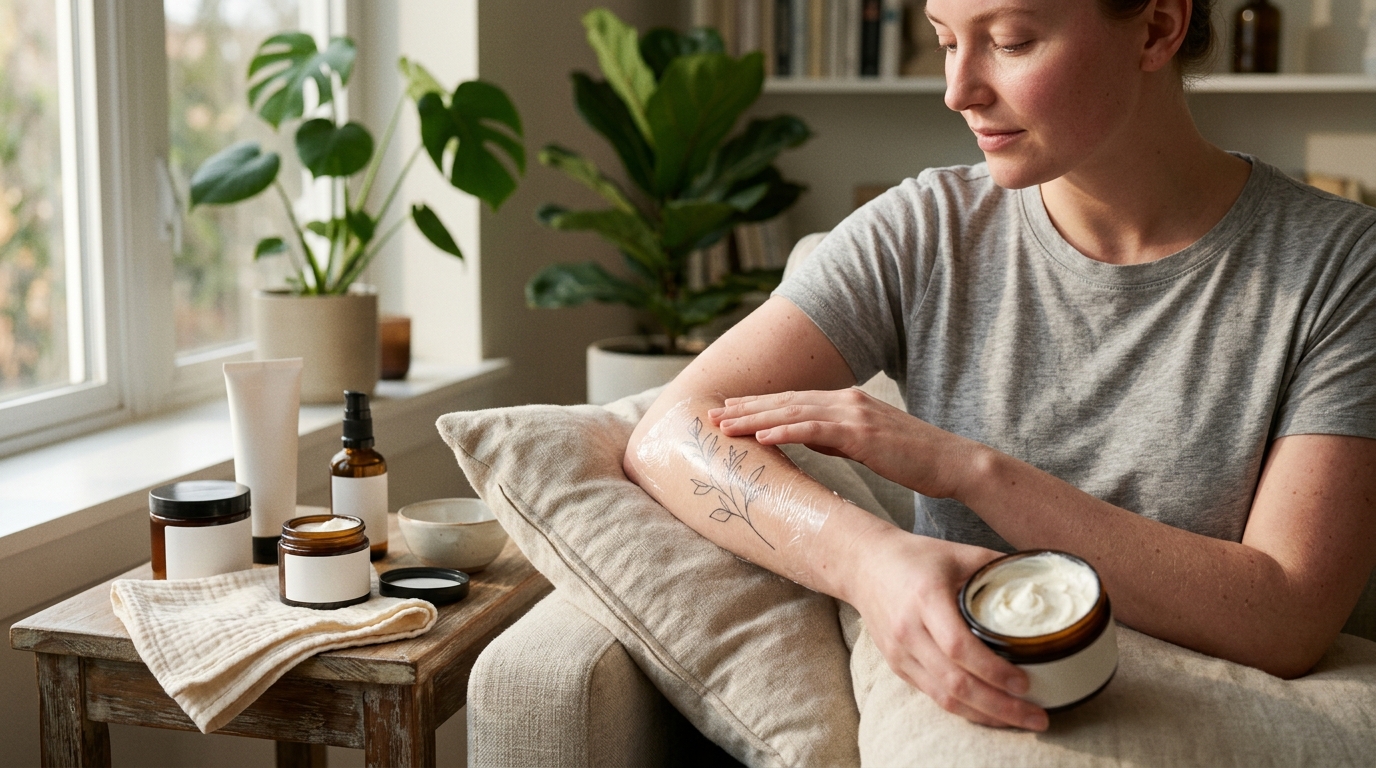
If your skin tends to flare up, itch, or redden more than most people's, getting a tattoo can feel like a leap of faith. The good news is that a thoughtful aftercare routine makes a major difference. According to a study published in the Journal of Cosmetic Dermatology, immediate adverse tattoo reactions can occur in 15% to 68% of cases, with irritation and itching among the most frequent. That range is wide, and much of the outcome depends on what you put on your skin and when. This guide walks you through each healing stage, explains which aftercare textures suit reactive skin, and helps you build a checklist so nothing gets missed.
Why Sensitive Skin Needs a Different Aftercare Approach
Sensitive skin is a skin type characterized by heightened reactivity to products, environmental factors, and physical stress. When a tattoo needle deposits ink into the dermis, your body mounts an immune response that includes redness, swelling, and fluid release. For people who already run reactive, those responses can intensify.
The American Academy of Dermatology recommends seeing a board-certified dermatologist if you notice any unusual skin reaction on a tattooed area. If you have a history of eczema, psoriasis, or contact dermatitis, a conversation with your dermatologist before your appointment is a smart move.
Understanding the Tattoo Healing Timeline
Tattoo healing is a multi-phase process that typically takes two to four weeks on the surface and up to six months for deeper layers. Knowing what to expect at each phase helps you avoid panic and keeps your routine on track.
Days 1 to 3: Inflammation Phase
Your tattoo will feel sore, appear red, and may ooze small amounts of plasma or ink. This is the body's natural inflammatory response. Keep the area clean and lightly moisturized, following your artist's guidance on bandage removal.
Days 4 to 14: Peeling and Itching Phase
The skin begins to flake and peel, similar to a sunburn. Itching can be intense, especially for sensitive skin. Resist the urge to scratch or pick, as this can pull ink and damage healing tissue.
Weeks 3 to 6+: Maturation Phase
Surface peeling is done, but the deeper dermal layers are still repairing. The tattoo may look slightly cloudy before settling into its final vibrancy. Continued moisturizing supports this stage.
Your Pre-Session Aftercare Checklist
Preparation matters just as much as the routine itself. Having everything on hand before your appointment means you are not scrambling with a fresh tattoo. Here is what to gather:
- A gentle, fragrance-free antimicrobial soap
- Clean paper towels (not shared cloth towels)
- Your chosen Painless Tattoo aftercare product (Whip, Butter, or Oil)
- Loose, breathable clothing that will not rub the tattooed area
- A broad-spectrum SPF 30+ sunscreen for use once fully healed
If you plan to use a topical numbing option before the session, the Painless Tattoo Numbing Cream page includes a note for sensitive-skin users: test a small amount first, since some minor localized redness is normal.
Aftercare Routine by Day
Your tattoo artist's instructions always come first. The sequence below is a general informational framework that aligns with widely shared aftercare principles.
| Timeframe | Action | Product Stage |
|---|---|---|
| Hours 1 to 4 | Leave bandage on per artist instructions | None yet |
| After bandage removal | Wash hands, gently clean tattoo with lukewarm water and fragrance-free soap, pat dry | None yet |
| Days 1 to 3 | Wash twice daily, apply a thin layer of aftercare product after each wash | Alpha Whip (lightweight, absorbs quickly) |
| Days 4 to 14 | Continue washing twice daily, moisturize as needed to manage peeling and itch | Alpha Butter (richer moisture for flaking skin) |
| Week 3 onward | Moisturize daily, begin sunscreen use once fully healed | Alpha Oil (long-term nourishment and vibrancy) |
This layered approach matches product texture to what the skin needs at each phase. A lighter formula early on avoids clogging freshly healing skin, while richer options support the later repair stages.
Whip vs. Butter vs. Oil: Choosing the Right Texture
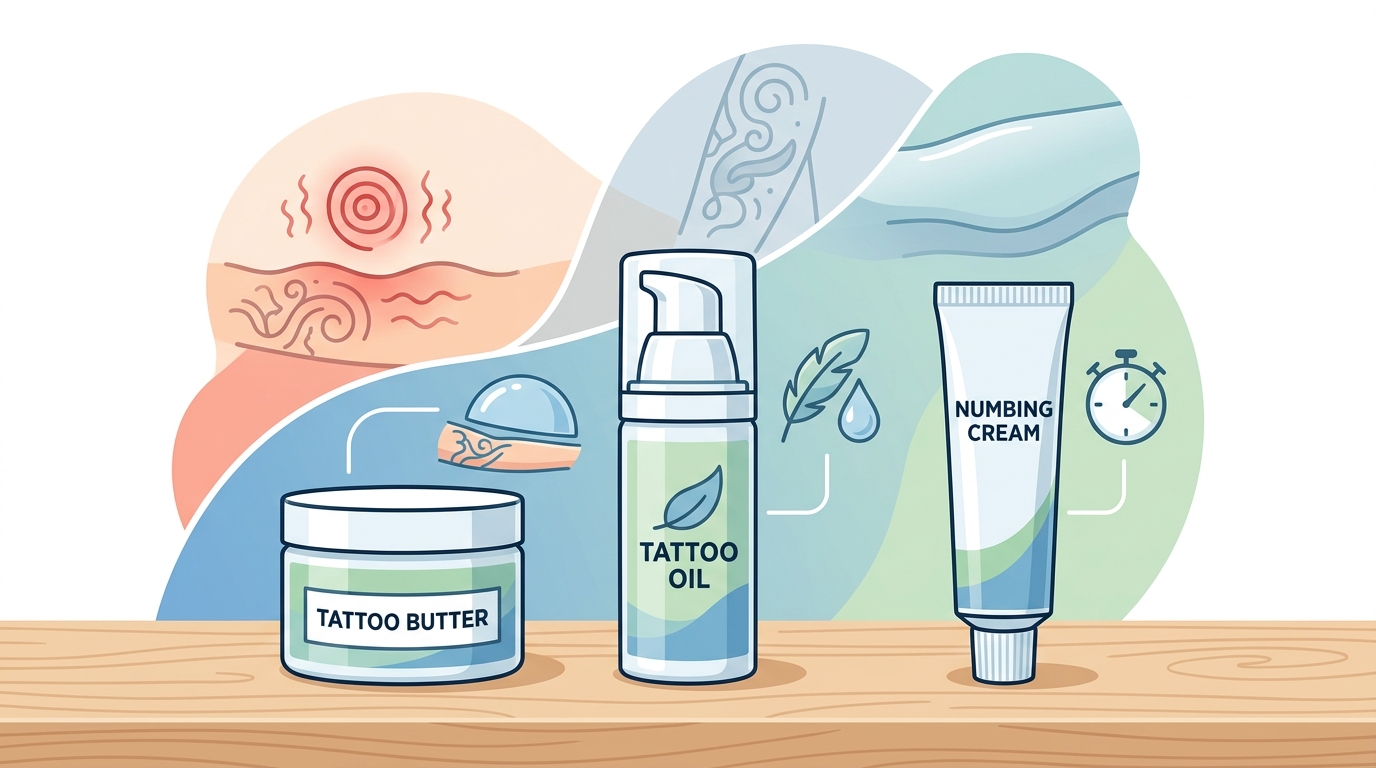
One of the most common questions from sensitive-skin clients is which aftercare texture to use. Each of the three Alpha Aftercare products is designed for a different feel and stage.
| Product | Texture | Key Ingredients | Best For |
|---|---|---|---|
| Alpha Whip | Light, airy, whipped | Organic blend, anti-inflammatory botanicals | Early healing (days 1 to 7), sensitive or oily skin |
| Alpha Butter | Rich, creamy | Shea Butter, Mango Butter, Beeswax, Lavender and Rosemary Essential Oils, Vitamin E | Mid-healing peeling phase, drier skin types |
| Alpha Oil | Lightweight liquid, fast-absorbing | Glycerin, essential fatty acids, proprietary growth factor technology | Long-term maintenance, daily use on healed tattoos |
For people prone to reactions, the Whip's light texture often feels least irritating in the first few days. The Butter steps in when the skin craves deeper moisture during the peeling phase. The Oil works as a long-term daily companion once healing wraps up. All three are free from petroleum, parabens, and alcohol, ingredients that the Painless Tattoo Ultimate Aftercare Guide specifically advises avoiding.
Ingredients That Matter for Reactive Skin
Fragrance is one of the most common triggers for skin reactions during tattoo healing. Dermatology-aligned guidance consistently points to fragrance-free, non-comedogenic formulas as the safer path for reactive skin types.
What to Look For
Shea butter is a plant-derived fat prized for its moisturizing and anti-inflammatory properties. Vitamin E is a fat-soluble antioxidant that supports skin barrier repair. MCT oil is a medium-chain triglyceride oil known for rapid absorption without a heavy residue. These are all present in the Alpha Aftercare line.
What to Avoid
Petroleum-based ointments can trap bacteria and cause breakouts on sensitive skin. Alcohol-based products strip moisture. Artificial fragrances can trigger contact dermatitis, exactly the kind of reaction you want to prevent on a healing tattoo.
When to Seek Professional Help
If redness worsens rather than improves, if you notice pus or fever, or if itching becomes severe, reach out to a licensed dermatologist or your tattoo artist. These are signs that go beyond normal healing and deserve professional attention.
Key Takeaways
- Sensitive skin reacts more intensely to the tattooing process, making product choice and timing especially important.
- Always follow your tattoo artist's specific aftercare instructions as the primary guide.
- Use fragrance-free, petroleum-free, alcohol-free products throughout the healing process.
- Match product texture to healing phase: lightweight early, richer during peeling, oil-based for long-term care.
- A small patch test before using any new topical product helps you identify reactions early.
- Sun protection with SPF 30+ is essential once the tattoo is fully healed to preserve vibrancy and protect reactive skin.
- Consult a dermatologist if you have a pre-existing skin condition like eczema or psoriasis before getting tattooed.
Frequently Asked Questions
Can people with sensitive skin get tattoos safely?
Yes, in most cases. The key is working with a reputable tattoo artist in a sterile environment and following a careful aftercare routine. If you have a diagnosed skin condition, consult your dermatologist before booking a session.
How do I know if I am having an allergic reaction versus normal healing?
Normal healing includes mild redness, light swelling, and some oozing in the first few days. An allergic reaction may involve persistent or worsening redness, a rash extending beyond the tattoo, or hives. If symptoms escalate, contact a healthcare professional.
What is the difference between Alpha Whip and Alpha Butter?
Alpha Whip has a light, airy texture that absorbs quickly, making it a popular choice for early healing and oilier skin. Alpha Butter is richer, with shea and mango butters that deliver deeper moisture during the peeling phase. Both are made with organic ingredients.
Should I use petroleum jelly on a new tattoo if I have sensitive skin?
Many aftercare guides and the American Academy of Dermatology suggest using water-based products instead. Petroleum-based products can trap bacteria and contribute to breakouts, which is especially problematic for reactive skin.
How long does the full healing process take?
Surface healing generally takes two to four weeks, but deeper skin layers can continue repairing for up to six months. During that entire period, keeping the skin moisturized and protected supports the best outcome.
Is Alpha Oil suitable for daily use on healed tattoos?
Yes. Alpha Oil is designed for both the active healing phase and ongoing daily maintenance. Its fast-absorbing formula hydrates the skin and is intended to support long-term ink vibrancy.
What should I do if my skin reacts to a numbing product?
Painless Tattoo recommends testing a small amount on a discreet area first. Some minor redness is normal. If you experience anything unusual or troublesome, stop use and consult your doctor or pharmacist.
When can I start applying sunscreen to my tattoo?
Wait until the tattoo is fully healed before applying sunscreen. Once healed, dermatologists recommend a broad-spectrum, water-resistant SPF 30 or higher to protect the ink from UV fading.
Build Your Sensitive-Skin Aftercare Kit
Ready to set yourself up for a comfortable healing experience? Browse the full Painless Tattoo product collection to find the right combination of numbing and aftercare products for your skin type. If you want everything in one box, the Painless All-Stars Kit covers every stage of the tattoo journey, from pre-session to long-term care.