
Managing Pain During a Long Tattoo Session: What Actually Works
A long tattoo session is any appointment that stretches beyond three hours, and it tests your body in ways a quick piece never will. Your adrenaline fades, your muscles fatigue, and the constant needle work can shift from manageable to genuinely uncomfortable. The good news is that smart preparation, the right in-session strategies, and quality aftercare products can transform a grueling day in the chair into something you walk away from feeling confident about. This guide covers every stage of the journey, from the week before your appointment to the days that follow it.
Why Long Sessions Hurt More Than Short Ones
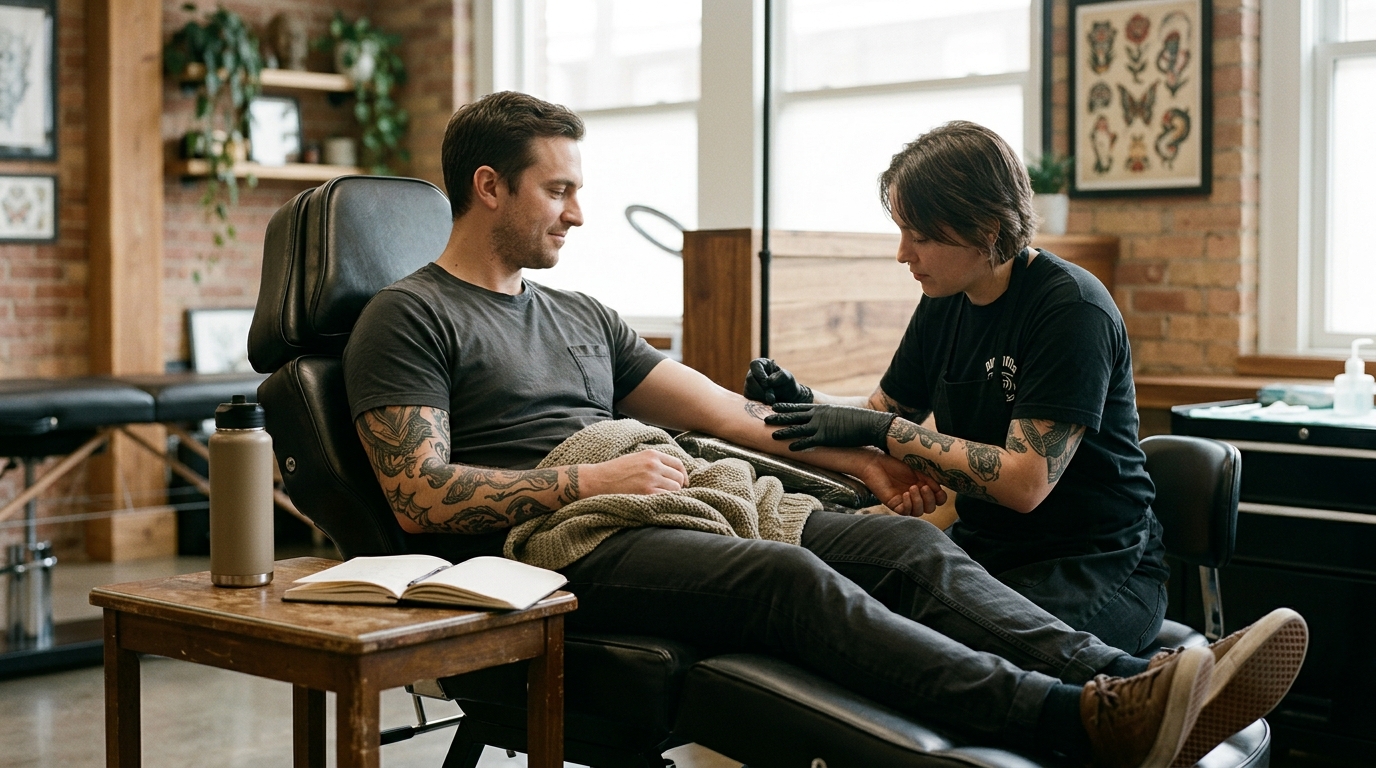
Tattoo pain is not a single sensation. It changes as the session progresses. In the first hour, your body releases adrenaline that naturally blunts discomfort. Once that chemical buffer wears off, the repeated needle work starts to compound.
According to Healthline, longer sessions required for large and intricate pieces are more painful, which is why many artists divide the work into two- or three-hour sittings. Body placement matters too: ribs, spine, and inner arm are consistently reported as higher-sensitivity areas.
Types of Sensation During Extended Work
Dull background pain is the most tolerable type. It is the low-level ache your body settles into after the adrenaline fades. Sharp or stinging pain is what you feel during fine-detail work with thin needles. Burning or itching pain is the irritation that builds when an artist works over the same area for an extended period. Recognizing these sensations helps you anticipate what is coming rather than reacting to each one as a surprise.
Preparation: What to Do Before Your Session
What you do in the days leading up to your appointment has a direct impact on how long you can sit comfortably. Think of preparation as the foundation for everything else on this list.
Hydration and Sleep
Hydrated skin is easier to tattoo. Healthline notes that getting tattooed on dry skin hurts more, so drink plenty of water in the days before your session. Sleep is equally important. Studies referenced by tattoo professionals show that lack of sleep increases your sensitivity to pain and can cause inflammation, making the session feel significantly worse.
Food, Alcohol, and Clothing
Eat a balanced meal one to two hours before your appointment. Low blood sugar can make you feel faint, especially during a long session. Avoid alcohol for at least 24 hours beforehand because it thins the blood, increases bleeding, and can reduce the effectiveness of topical numbing products. Wear loose, comfortable clothing that gives your artist easy access to the area being worked on.
Topical Numbing Options and How They Fit In
Topical numbing is one of the most common reasons people look for help managing long-session discomfort. A topical numbing cream is a product containing a local anesthetic, typically lidocaine, that is applied to intact skin before a procedure to temporarily reduce sensation in that area.
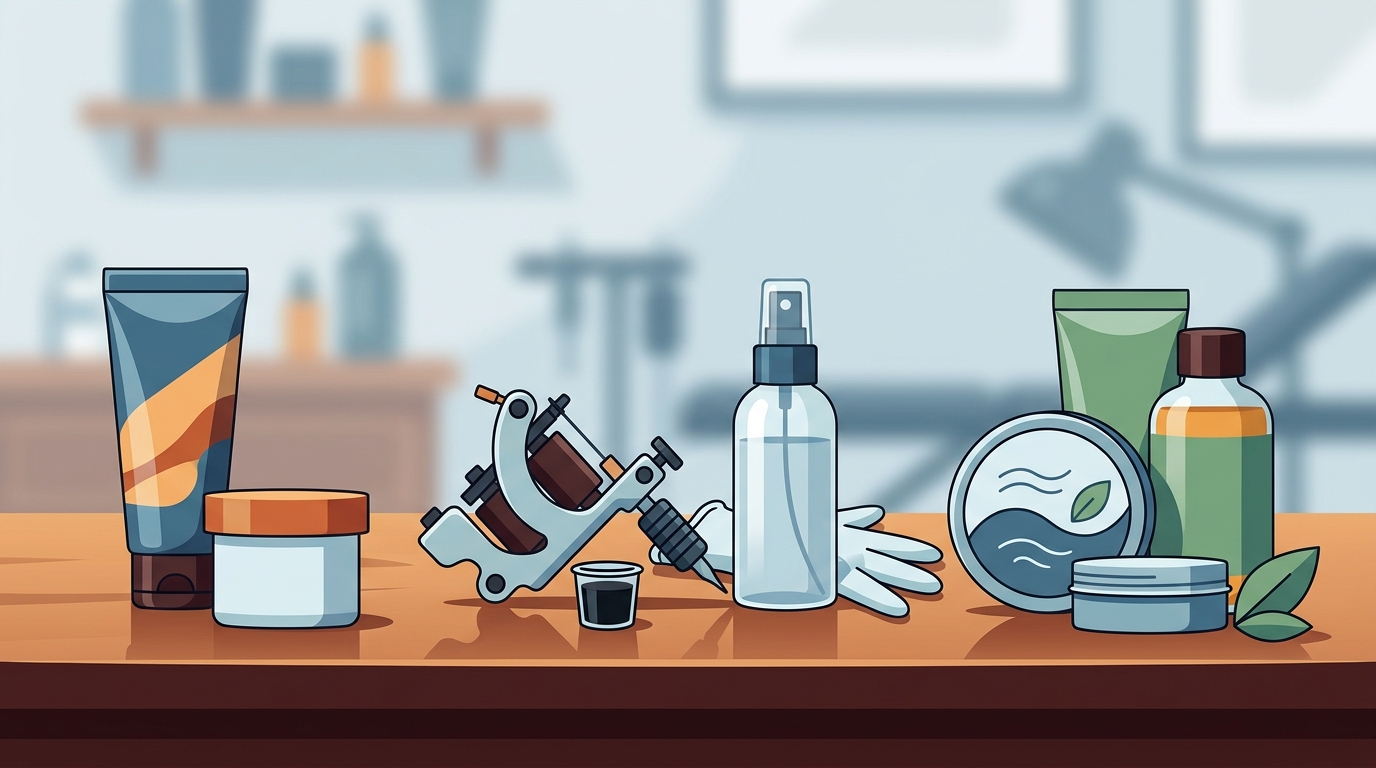
The Painless Tattoo product line maps to different stages of your session. Painless Tattoo Numbing Cream is designed for use on intact skin before the tattoo begins. Painless Tattoo Numbing Spray is intended for use during the session on skin that has already been worked on, making it a useful companion when the cream begins to wear off.
Always discuss numbing products with your tattoo artist before your appointment. Some artists have specific preferences, and early communication ensures a smooth session for everyone involved. For questions about skin sensitivities, consult a licensed professional.
In-Session Strategies That Keep You Comfortable
Even with solid preparation and topical numbing, there are practical techniques that help you endure hour four, five, and beyond.
Breathing and Mental Focus
Rhythmic breathing is a technique that involves establishing a steady pattern, such as inhaling for four counts, holding for four, and exhaling for four. This shifts your focus from the needle to your breath and helps reduce muscle tension. Some people also find that meditation or visualization exercises calm the nervous system during extended work.
Breaks and Communication
Communicate openly with your artist. Let them know when you need a pause to stretch, hydrate, or adjust your position. Short breaks help you reset without losing momentum. Keep in mind that very long or overly frequent breaks can sometimes have the opposite effect, so aim for brief pauses rather than extended stops.
Distraction Tools
Music, podcasts, or conversation with your artist can redirect your attention. Settling into the energy of the studio environment often helps more than fighting against the discomfort.
Aftercare Product Guide: Whip vs. Butter vs. Oil
Aftercare is the final stage of pain management. How you treat your skin in the days following a long session determines both your comfort and the quality of the healed tattoo. Painless Tattoo's Alpha Aftercare line offers three distinct textures, each suited to different preferences and stages of healing.
| Product | Texture | Best For | Key Ingredients |
|---|---|---|---|
| Alpha Tattoo Whip | Light, whipped, airy | People who prefer a gel-like feel; soothing fresh ink | 100% organic blend; anti-inflammatory properties |
| Alpha Tattoo Butter | Rich, thick, protective | Deep moisturizing; preserving older tattoo vibrancy | Shea Butter, Mango Butter, Beeswax, Lavender, MCT Oil |
| Alpha Tattoo Oil | Lightweight liquid, fast-absorbing | Daily use during healing; long-term ink maintenance | Glycerin-based with essential fatty acids; Advanced Growth Factor Technology |
Alpha Tattoo Whip stands out with its light, whipped texture that combines the qualities of aloe vera gel, rich butters, and hydrating lotions into one formula. Alpha Tattoo Butter uses Shea Butter, Mango Butter, and Beeswax for a richer, more protective layer. Alpha Tattoo Oil is a fast-absorbing, glycerin-based formula enriched with essential fatty acids.
For a deeper look at how these products fit into a day-by-day aftercare routine, check out the Ultimate Tattoo Aftercare Guide on the Painless Tattoo blog.
Key Takeaways
- Long tattoo sessions amplify discomfort because adrenaline fades and repeated needle work compounds sensation over hours.
- Hydration, quality sleep, and a solid meal before your appointment create the physical foundation for sitting longer.
- Avoid alcohol for at least 24 hours before your session to prevent excess bleeding and reduced numbing effectiveness.
- Topical numbing cream is applied to intact skin before the session; numbing spray is used mid-session on broken skin. Talk to your artist first.
- Rhythmic breathing, short breaks, and open communication with your artist are proven in-chair strategies.
- Aftercare texture matters: choose Whip for a lighter feel, Butter for rich moisture, or Oil for fast-absorbing daily use.
- Always follow your tattoo artist's specific aftercare instructions and consult a licensed professional for any medical concerns.
Frequently Asked Questions
How long does a long tattoo session typically last?
Sessions over three hours are generally considered long. Many large-piece sessions run four to eight hours, sometimes split across multiple sittings depending on the design and the artist's approach.
Why does tattoo pain get worse as the session goes on?
Your body releases adrenaline at the start, which helps mask pain. As hours pass, adrenaline drops and the repeated trauma to the same area makes the skin more sensitive.
Can I use a topical numbing product for a long session?
Many people use a topical numbing cream before their session and a numbing spray during the session when the cream wears off. Always talk with your tattoo artist before using any numbing product to make sure it is compatible with their process.
What is the difference between numbing cream and numbing spray?
A numbing cream is applied to intact, unbroken skin before the procedure begins. A numbing spray is designed for use on skin that has already been opened during the tattooing process. The Painless Tattoo Combo pairs both for full-session coverage.
How do I choose between Alpha Whip, Butter, and Oil for aftercare?
It comes down to texture preference and skin needs. Whip is the lightest and most soothing. Butter provides a thicker, more protective layer. Oil absorbs quickly and works well for daily application. Browse the full Next Gen Aftercare collection to compare options.
Should I take pain relievers before a tattoo session?
This is a question for your doctor or pharmacist. Some over-the-counter pain relievers like aspirin and ibuprofen thin the blood, which can increase bleeding and complicate the tattooing process.
How many breaks should I take during a long session?
There is no fixed number. Communicate with your artist and take short pauses when you need them. Brief breaks to stretch, drink water, and eat a snack are more effective than long interruptions.
Does body placement affect how much a long session hurts?
Yes. Areas with thin skin and less muscle or fat, such as ribs, spine, elbows, and ankles, tend to be more sensitive. Discuss placement with your artist when planning a large piece.
Your Next Step
If you have a long session coming up, start building your kit now. Explore the full range of Painless Tattoo products to find the right combination of numbing and aftercare for your session, and talk with your artist about the best approach for your specific piece.