
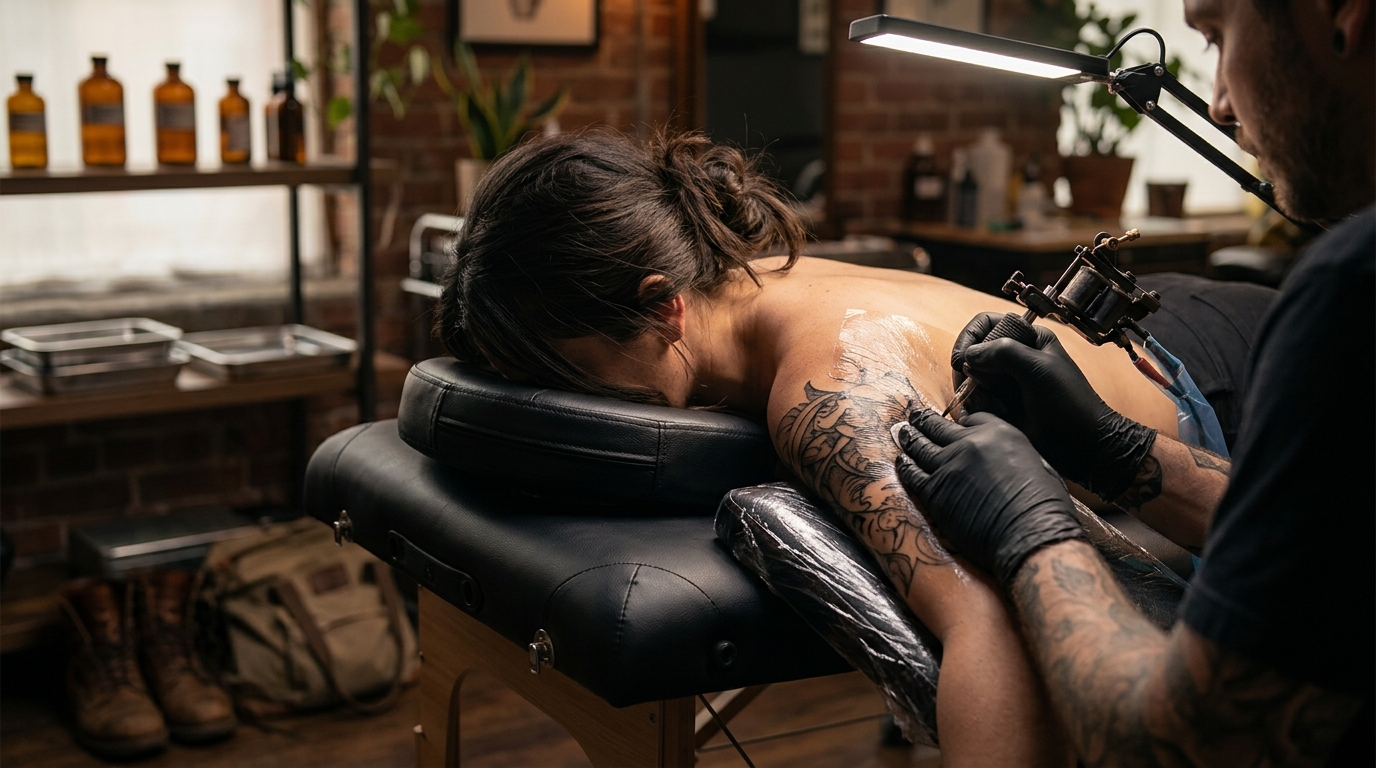
Long tattoo sessions test your body and your mindset. Whether you are sitting for a half-sleeve or a large back piece, the hours add up and discomfort can compound quickly. The good news is that preparation, smart in-session strategies, and quality aftercare products can transform a grueling experience into a manageable one. Below, we break down practical steps you can take before, during, and after a lengthy tattoo appointment so you walk away with great ink and a story you actually want to tell. This guide is built for anyone heading into a session of three hours or more.
Why Long Sessions Hurt More
Tattoo pain is not constant. It shifts in type and intensity as the session goes on. Early in the appointment your body releases adrenaline, which can dull the sensation. As hours pass, that adrenaline fades and fatigue sets in.
According to Healthline, longer sessions required for large and intricate pieces are generally more painful, and artists often divide them into two- or three-hour sittings. Body placement also plays a role: ribs, spine, and inner arm areas carry more nerve endings and less cushioning tissue.
A long tattoo session is any appointment that extends beyond roughly three hours. Understanding that discomfort will ebb and flow helps you mentally prepare rather than panic when a tough stretch hits.
Prepare Your Body Before You Sit Down
Sleep and Hydration
Sleep deprivation increases pain sensitivity and can cause inflammation that makes sitting in one position uncomfortable. Aim for a full night of rest the evening before your session. Hydration is equally important because well-hydrated skin is more elastic and easier for your artist to work with, as noted by multiple tattoo pain resources.
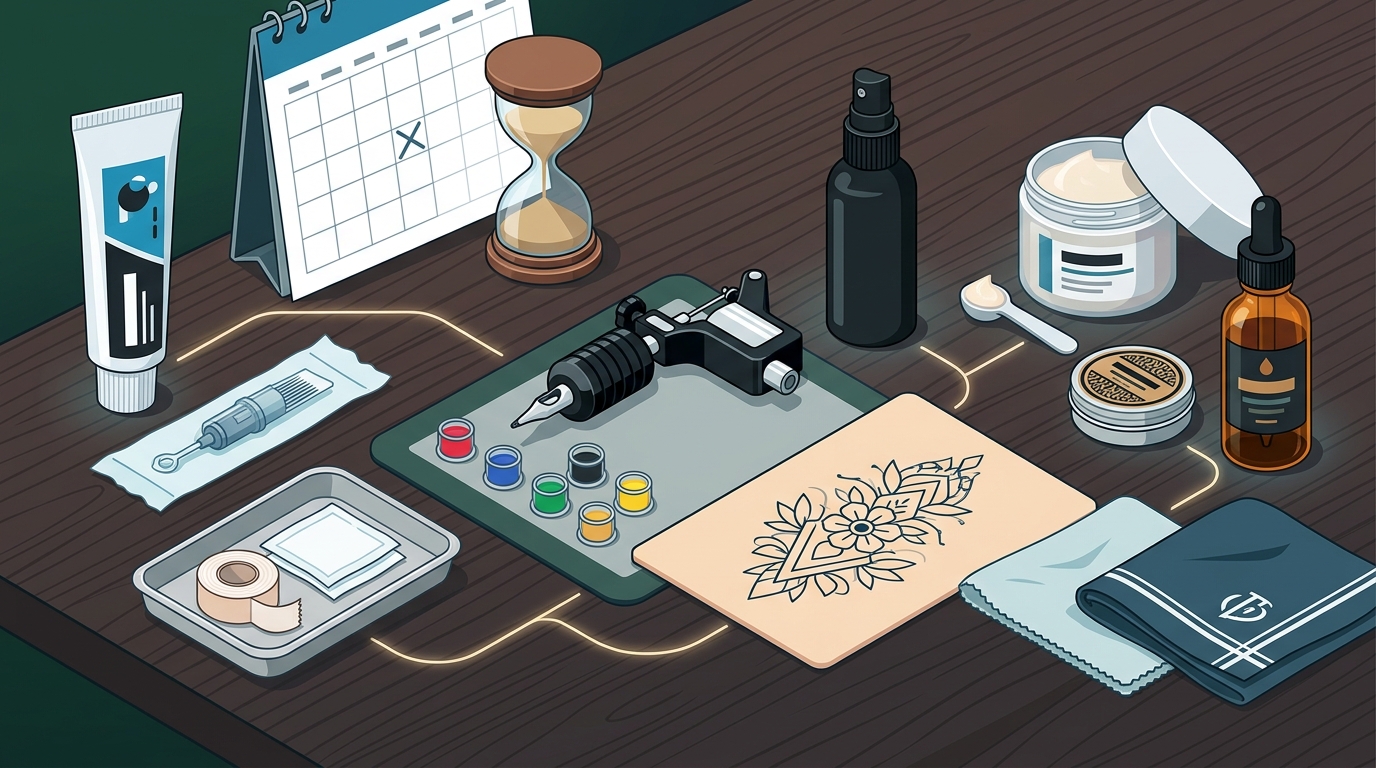
Eat a Solid Meal
Low blood sugar can make you feel faint or lightheaded during a long appointment. Eat a balanced meal with protein and complex carbs about one to two hours before your session. Bring snacks and a sugary drink to keep energy levels stable throughout the day.
Skip Alcohol and Blood Thinners
Alcohol thins the blood, increases bleeding, and can reduce the effectiveness of topical numbing products. Avoid it for at least 24 hours before your appointment. If you take any medications that affect blood clotting, talk to your doctor and your tattoo artist ahead of time.
Topical Numbing Options for the Tattoo Journey
A topical numbing cream is a product containing a local anesthetic, such as lidocaine, that is applied to the skin surface to temporarily reduce sensation in the treated area. Many people reach for topical numbing options because they want to sit more comfortably and allow their artist to work without frequent interruptions.
Painless Tattoo offers products mapped to different stages of a session:
- Pre-session: Painless Tattoo Numbing Cream is designed for use before the needle touches skin. It is formulated with skin conditioners and compounds intended to support absorption.
- During session: Painless Tattoo Numbing Spray is a rapid-onset option that your artist can apply to broken skin mid-session when the cream's window has passed.
- Triple-action option: BLT Triple Numb combines three topical anesthetics (benzocaine, lidocaine, and tetracaine) in individually packaged strips for convenience.
Always discuss numbing products with your tattoo artist before your appointment. Some artists have preferences about which products they are comfortable working with, and that conversation should happen early in the planning process.
In-Session Strategies That Actually Help
Breathing and Distraction
Rhythmic breathing is a simple technique where you inhale for four counts, hold for four, and exhale for four. This pattern shifts focus away from discomfort and toward the breath. Listening to music, a podcast, or chatting with your artist can also keep your mind occupied.
Strategic Breaks
Short breaks give you time to stretch, hydrate, and recenter. However, keep them brief. Overly long or frequent pauses can allow your adrenaline to drop and potentially make the return to the needle feel more intense. Communicate openly with your artist about when you need a pause.
Wear the Right Clothing
Loose, comfortable clothing that provides easy access to the tattoo area prevents added irritation. If you are getting work on your leg, opt for loose shorts. For upper-body sessions, a tank top or button-down shirt works well.
| Stage | Action | Why It Helps |
|---|---|---|
| 24 hrs before | Avoid alcohol | Reduces bleeding and supports numbing product effectiveness |
| Night before | Get 7-9 hours of sleep | Improves pain tolerance and mood |
| 1-2 hrs before | Eat a balanced meal | Stabilizes blood sugar, prevents dizziness |
| Pre-session | Apply numbing cream per product directions | Temporarily reduces skin sensation |
| During session | Practice rhythmic breathing | Lowers anxiety and perceived pain |
| During session | Take short breaks to stretch | Prevents muscle fatigue and resets focus |
| Mid-session | Artist applies numbing spray as needed | Extends comfort window on broken skin |
| Post-session | Begin aftercare routine | Supports healing and soothes irritation |
Why Aftercare Matters for Pain Management
Tattoo aftercare is the ongoing routine of cleaning, moisturizing, and protecting freshly tattooed skin to support the healing process. Skipping aftercare can lead to extended soreness, itching, and irritation that lasts well beyond the session itself.
Painless Tattoo's Alpha Tattoo Care line was developed with input from tattoo artists and cosmetic chemists. The range includes three products with different textures and use cases, so you can match the right option to your skin's needs at each stage of healing. Explore the full Painless Tattoo product lineup to see how each item fits into a complete session plan.
Aftercare Product Comparison: Whip vs. Butter vs. Oil
Choosing between aftercare formats depends on your skin type, the stage of healing, and personal texture preference. Here is a quick comparison of the three Alpha Tattoo Care options:
| Feature | Alpha Tattoo Whip | Alpha Tattoo Butter | Alpha Tattoo Oil |
|---|---|---|---|
| Texture | Light, airy, whipped | Rich, creamy | Lightweight liquid |
| Best for | Daily moisturizing, vegan-friendly option | Intensive hydration, vegan-friendly option | Nourishing and preserving healed or healing ink |
| When to use | Early-to-mid healing when skin needs breathable moisture | Mid-to-late healing when skin craves deeper hydration | Ongoing maintenance to keep tattoos looking vibrant |
| Vegan | Yes | Yes | Contains alligator oil |
The Alpha Tattoo Whip and Butter are both vegan-friendly, making them a good fit if that matters to you. The Alpha Tattoo Oil features alligator fat, an ingredient with a growing reputation in the skin-care space for its fatty-acid profile, which some users find ideal for long-term tattoo maintenance.
Key Takeaways
- Long tattoo sessions amplify discomfort because adrenaline fades while fatigue accumulates over several hours.
- Preparation starts 24 hours out: skip alcohol, hydrate well, sleep fully, and eat a balanced meal before your appointment.
- Topical numbing products like Painless Tattoo Numbing Cream (pre-session) and Numbing Spray (during session) give many clients a wider comfort window.
- Breathing techniques, short breaks, and open communication with your artist are simple strategies that make a real difference.
- Aftercare is part of pain management. Quality products support healing and reduce post-session soreness.
- The Alpha Tattoo Care line (Whip, Butter, Oil) offers different textures for different healing stages and skin preferences.
- Always consult your tattoo artist about product choices and your doctor if you have skin sensitivities or medical concerns.
Frequently Asked Questions
How long is too long for a tattoo session?
Most artists recommend capping sessions at around five to six hours. Beyond that, both the client's pain tolerance and the skin's ability to accept ink tend to decline. Your artist may suggest splitting a large piece across multiple sittings spaced several weeks apart.
Can I use numbing cream for a long tattoo session?
Many clients use a topical numbing cream before their session and then rely on a numbing spray mid-session to extend relief. Talk to your artist first, because some prefer to work without numbing agents. Check the Painless Tattoo numbing cream guide for general information.
Does tattoo pain get worse the longer you sit?
Generally, yes. Your body's initial adrenaline response fades after the first hour or two, and muscle fatigue from holding a position compounds the discomfort. Strategic breaks and proper preparation help offset this effect.
What should I eat before a long tattoo session?
A meal containing lean protein, complex carbohydrates, and healthy fats about one to two hours before your appointment is a solid approach. Bring snacks like granola bars and a drink with some sugar to keep your blood sugar stable throughout the day.
Is it normal to feel sore for days after a tattoo?
Yes. The tattooed area typically feels similar to a sunburn for the first few days. Swelling, mild soreness, and itching are common. Following a consistent aftercare routine with products like Alpha Tattoo Whip or Butter is designed to soothe irritation and support the healing process.
What is the difference between numbing cream and numbing spray?
A numbing cream is a topical anesthetic applied to intact skin before a session to reduce initial sensation. A numbing spray is a fast-acting topical designed for use on broken skin during the session. The two products serve different stages of the tattoo process and are often used together for extended coverage.
Should I take painkillers before getting tattooed?
Many tattoo professionals advise against aspirin and ibuprofen before a session because these medications can thin the blood and increase bleeding. If you are concerned about pain management, discuss your options with your tattoo artist and a healthcare professional rather than self-medicating.
How do I choose the right aftercare product?
Consider the texture you prefer and where you are in the healing timeline. A lighter whipped formula works well in early healing when skin needs breathable moisture. A richer butter is suited for mid-to-late healing. An oil is popular for long-term maintenance of healed tattoos. See the comparison table above for a quick breakdown.
Ready to Sit Longer and Recover Faster?
Browse the complete Painless Tattoo product lineup to find the right numbing and aftercare products for your next session. Match each stage of your tattoo journey with the product built for it, and walk into your appointment prepared.