

A long tattoo session is any appointment that stretches beyond three hours, and it demands more from your body than a quick piece ever will. Whether you are sitting for a half-sleeve or a detailed back panel, understanding how pain builds over time and what you can do before, during, and after the session makes the difference between white-knuckling it and staying comfortable. This guide walks you through practical strategies, backed by how your body actually processes pain, so you can show up prepared and walk out proud of the ink and the experience.
Why Long Sessions Hurt Differently
Pain during a tattoo is not static. Your body releases endorphins and adrenaline as a natural response to the needle, creating an initial wave of tolerance that many collectors describe as manageable or even calming. Endorphins are natural pain-relieving chemicals produced by the brain in response to pain or stress. However, that built-in relief has a shelf life.
According to Saniderm's tattoo pain resource, these natural pain relievers tend to start wearing off after 3 to 4 hours of continuous tattooing. Once they fade, many people notice a sharp increase in sensitivity, fatigue, and general discomfort. That is the wall most long-session clients hit.
The Fatigue Factor
Beyond the needle itself, holding a single position for hours causes muscle stiffness and mental drain. Both of these lower your effective pain tolerance, making the last hour of a session feel significantly harder than the first.
Prepare Your Body Before the Appointment
Preparation is the single biggest lever you have for a comfortable session. Most of the work happens in the 48 hours leading up to your appointment.
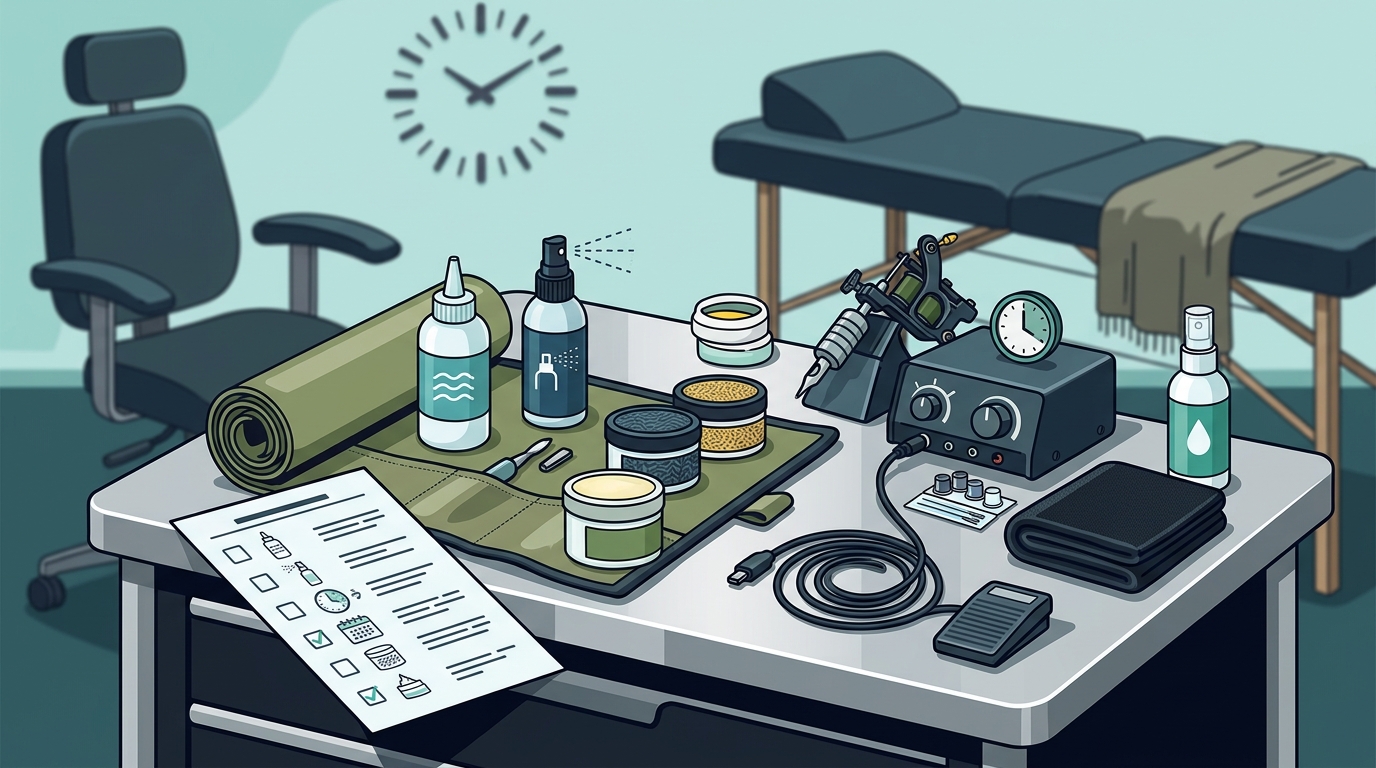
Hydration and Nutrition
Start drinking plenty of water at least three to four days before your session. Hydrated skin is more elastic and resilient, which helps the tattooing process go smoother. Eat a substantial meal one to two hours before you sit down; low blood sugar increases pain sensitivity and can lead to dizziness.
Sleep and Lifestyle
A full night of sleep improves your pain tolerance and stabilizes your mood. Avoid alcohol for at least 48 hours before your appointment, as it thins the blood and can increase bleeding during the session.
| Timeframe | Action | Why It Matters |
|---|---|---|
| 3-4 days before | Increase water intake; moisturize skin | Improves skin elasticity for smoother ink application |
| 48 hours before | Avoid alcohol | Reduces excess bleeding and swelling |
| Night before | Get 7-9 hours of sleep | Boosts pain tolerance and mental focus |
| 1-2 hours before | Eat a balanced meal with protein and complex carbs | Stabilizes blood sugar; prevents dizziness |
| Day of | Wear loose, comfortable clothing | Allows easy access and position changes |
Topical Numbing Options for Extended Work
A topical numbing cream is a skin-applied product containing an anesthetic agent, commonly lidocaine, that temporarily reduces sensation in the area where it is applied. Many tattoo clients and artists reach for numbing products when sessions will run long.
For pre-session comfort, Painless Tattoo Numbing Cream is designed to be applied before your appointment begins. It is a popular option among clients preparing for work on sensitive areas or multi-hour sittings. For mid-session use, Painless Tattoo Numbing Spray offers a different format that artists can work with while tattooing is underway.
Always talk with your tattoo artist before bringing any topical product to the shop. Your artist knows what works with their technique and can help you decide if a numbing option makes sense for your session plan.
During-Session Pain Management Strategies
Once the needle starts, you shift into management mode. These techniques help you stay composed through the hours.
Breathing and Mental Focus
Deep, rhythmic breathing activates your parasympathetic nervous system, which can reduce the perception of pain. Some clients listen to music, podcasts, or audiobooks as a distraction, which research on endorphin pathways supports as a legitimate way to modulate discomfort.
Scheduled Breaks
Most experienced artists suggest a break every two to three hours. A break is a short pause that lets your body reset, stretch, and refuel. Keep breaks efficient: hydrate, eat a snack, and move around briefly. Too many extended pauses can make the restart feel worse, because your body loses the momentum of its pain adaptation.
Communication With Your Artist
Let your artist know when you need a pause or if a particular area is especially intense. A good artist will adjust speed, pressure, or session pacing based on your feedback. This is a collaboration, not an endurance test.
Body Placement and Pain Intensity
Where your tattoo sits on your body has a major impact on how pain builds during a long session. Areas close to bone or with thin skin, such as ribs, spine, elbows, and ankles, tend to produce sharper, more sustained discomfort. Fleshy areas like thighs, upper arms, and calves are generally more forgiving for extended work.
If you are planning a large piece in a high-sensitivity zone, consider breaking it into multiple shorter sessions rather than one marathon sitting. Discuss placement strategy with your artist when you plan your session supplies.
Aftercare and Recovery After a Long Session
A long session means more surface area, more irritation, and a greater need for intentional recovery. The aftercare stage is where you support your skin's natural healing process and protect the vibrancy of your new ink.
Choosing the Right Aftercare Product
Painless Tattoo's Alpha aftercare line gives you options matched to your preference and skin type. Alpha Tattoo Butter is a vegan-friendly, organic-ingredient formula designed to soothe and hydrate freshly tattooed skin. For those who prefer a lighter feel, Alpha Tattoo Oil uses proprietary Advanced Growth Factor Technology and absorbs quickly without a greasy residue.
Follow your artist's aftercare guidance closely. Keep the area clean, stay hydrated, and apply your chosen aftercare product in a thin layer as directed. For detailed instructions, visit the Aftercare Directions page.
Key Takeaways
- Your body's natural endorphin response typically fades after 3 to 4 hours, making preparation critical for longer sessions.
- Hydration, sleep, and a solid pre-session meal are the foundation of pain management.
- Topical numbing products like Painless Tattoo Numbing Cream can be part of your comfort plan when discussed with your artist.
- Breathing techniques and strategic breaks every 2 to 3 hours help you stay composed.
- Body placement matters: bony areas hurt more and may warrant shorter, split sessions.
- Aftercare products such as Alpha Tattoo Butter and Alpha Tattoo Oil support your skin after the stress of a long sitting.
- Communication with your artist is the most underrated pain management tool you have.
Frequently Asked Questions
How long is too long for a tattoo session?
Most artists cap sessions at 6 to 8 hours. Your endorphin response tends to wear off around 3 to 4 hours, so anything beyond that requires deliberate pain management strategies like breaks, hydration, and potentially a topical numbing product.
Can I use numbing cream for a long tattoo session?
Many clients do. Painless Tattoo Numbing Cream is designed for pre-session use, and the Numbing Spray can be used during the session. Always confirm with your tattoo artist before applying any product, as some artists have preferences about what goes on the skin.
What should I eat before a long tattoo session?
A balanced meal with protein, complex carbohydrates, and healthy fats one to two hours before your appointment helps stabilize blood sugar. Bring snacks like granola bars or fruit for breaks during the session.
Do tattoos hurt more as the session goes on?
Generally, yes. As your endorphins wear off and physical fatigue sets in, the same needle sensation can feel significantly more intense in hour five compared to hour one.
Which body parts hurt most during long sessions?
Areas close to bone or with thin skin, including ribs, spine, elbows, inner arms, and ankles, tend to be the most uncomfortable. Fleshy spots like thighs, outer arms, and calves are more manageable for extended work.
How do I recover faster after a long tattoo session?
Focus on hydration, rest, and consistent aftercare. Products like Alpha Tattoo Butter and Alpha Tattoo Oil are formulated to support your skin through the healing process. Avoid sun exposure and follow your artist's specific aftercare plan.
Should I take painkillers before getting tattooed?
Avoid blood-thinning medications like aspirin and ibuprofen before a session, as they can increase bleeding. If you have concerns about pain management, speak with a licensed healthcare professional and your tattoo artist for personalized guidance.
Are breaks during a tattoo session a good idea?
Yes. Short, focused breaks every 2 to 3 hours let you stretch, eat, and reset. Just keep them efficient, because stopping and restarting too frequently can make the sensation feel sharper when work resumes.
Ready to Prepare for Your Next Session?
Browse the full Painless Tattoo product line to find the right numbing and aftercare products for your upcoming appointment. From pre-session numbing cream to post-session Alpha aftercare, every stage of your tattoo journey is covered.