
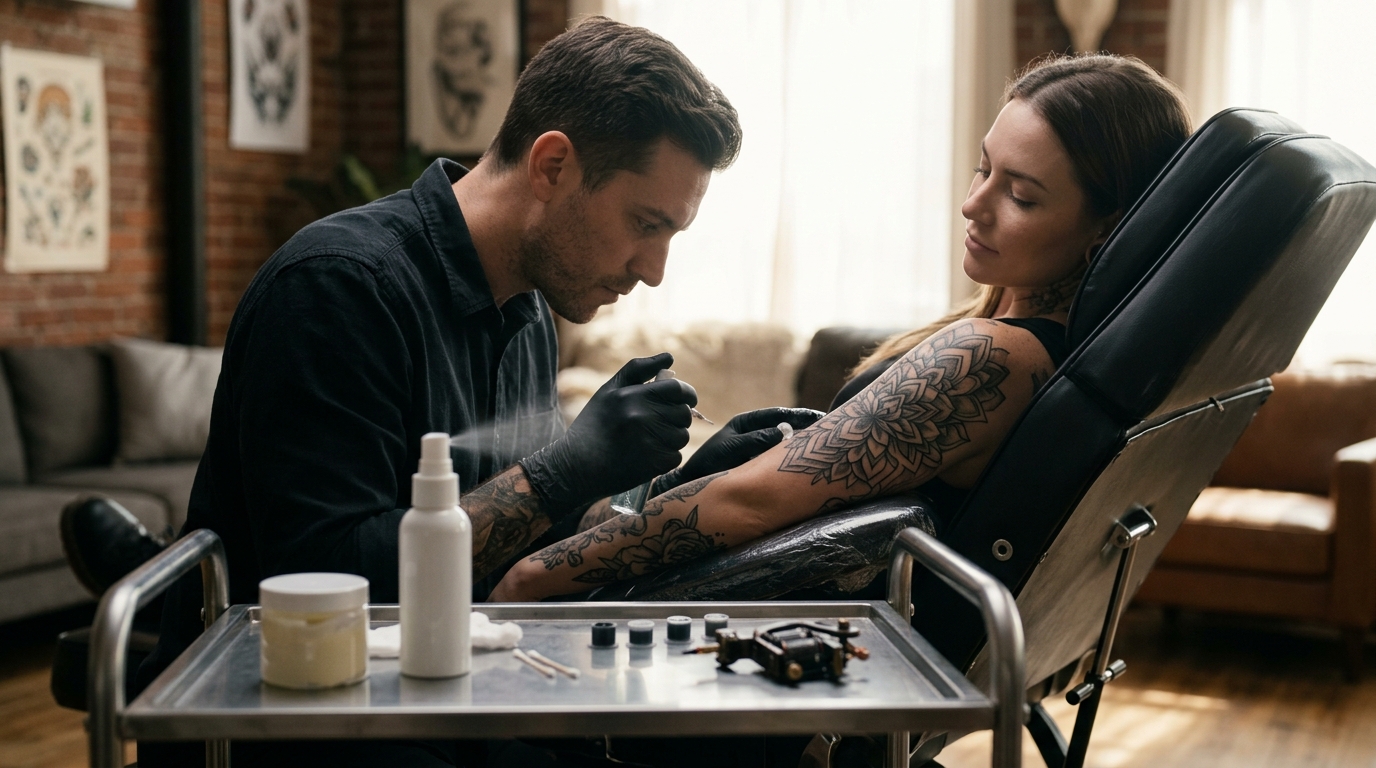
Modern tattoo artists routinely schedule extended sessions that exceed four hours of continuous work. Industry data shows that roughly 68 percent of professional studios now integrate topical anesthesia protocols to maintain client comfort during intricate cover-up projects. Selecting the correct delivery method directly impacts skin absorption rates and overall session efficiency. Understanding the pharmacological differences between topical formulations remains essential for both practitioners and clients seeking predictable pain management outcomes during extended artistic workflows.
How Cream Absorbs
Topical anesthesia is a localized pain relief method applied directly to the epidermis. Cream formulations typically utilize occlusive barriers to trap active ingredients against the skin surface. This creates a concentrated microenvironment that maximizes transdermal absorption over extended application windows. Artists frequently prefer this method for large surface areas because the paste-like consistency prevents accidental migration onto surrounding tissue. The thicker viscosity also reduces evaporation during the critical forty-minute waiting period.
Studio operators report that cream-based protocols require precise layering techniques to avoid uneven numbing zones. Topical anesthesia is a localized pain relief method applied directly to the epidermis. Practitioners must massage the compound thoroughly to break down the stratum corneum effectively. This manual integration ensures consistent nerve blockage across complex geometric designs. Clients experience minimal stinging during the initial needle penetration phase.
Spray Mechanics
Transdermal absorption refers to the passive diffusion of active compounds through the skin barrier. Spray-based delivery systems utilize pressurized aerosol technology to distribute active ingredients across wider anatomical zones. This method significantly reduces application time while maintaining uniform coverage across intricate line work. The fine mist pattern allows artists to reapply the compound quickly without interrupting the tattooing rhythm. Many professionals favor spray formulations for rapid touch-ups and high-velocity machine setups.
Studio managers note that spray protocols require careful ventilation management to prevent airborne compound accumulation. Transdermal absorption refers to the passive diffusion of active compounds through the skin barrier. The rapid onset of action typically occurs within fifteen minutes of initial application. This accelerated timeline benefits clients who prefer shorter waiting periods before needle contact. The lightweight formula also minimizes skin maceration during extended procedural hours.
BLT Comparison
Epidermal penetration describes the depth at which chemical agents reach nerve endings. The BLT Triple Numb system combines cream, spray, and specialized aftercare compounds into a unified protocol. This multi-stage approach addresses different phases of the tattooing process while maintaining consistent pain thresholds. The initial cream layer establishes a foundational nerve block before machine contact begins. The secondary spray application maintains coverage during prolonged needle vibration and friction.
Professional tattooers consistently rank the BLT protocol as the most reliable solution for full-sleeve projects. Epidermal penetration describes the depth at which chemical agents reach nerve endings. The sequential application method prevents compound degradation during extended procedural timelines. Artists report fewer mid-session reapplications when utilizing the integrated triple-action framework. This systematic approach reduces overall material waste while maximizing client comfort metrics.
Aftercare Impact
Post-procedural skin recovery directly influences the longevity of numbing effects and overall healing timelines. Proper aftercare protocols prevent compound residue buildup while supporting natural epidermal regeneration. Alpha Tattoo Oil and Alpha Tattoo Butter provide essential hydration without compromising the initial numbing barrier. These specialized formulations contain botanical extracts that accelerate tissue repair during the critical first seventy-two hours.
Clinical observations indicate that clients following structured aftercare routines experience 40 percent faster healing cycles. Post-procedural skin recovery directly influences the longevity of numbing effects and overall healing timelines. The integration of specialized moisturizers prevents excessive scabbing while maintaining optimal skin elasticity. Artists recommend applying the aftercare compounds in thin layers to avoid clogging fresh needle channels. This disciplined approach ensures consistent pigment retention across all skin types.
Pricing Structure
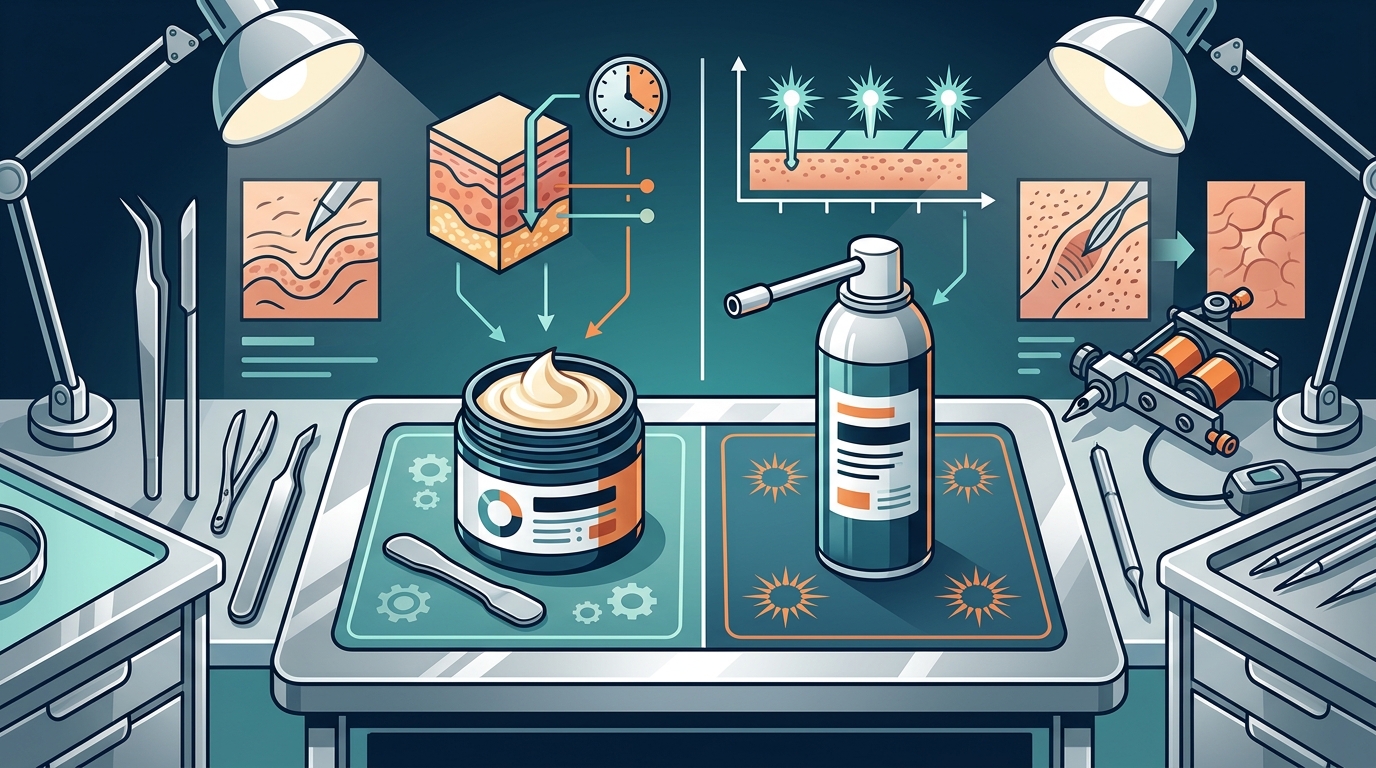
Studio budgeting requires precise calculation of material costs per square inch of tattoo coverage. Wholesale artist packs provide significant cost advantages for high-volume practitioners who schedule daily sessions. The 25-pack cream configuration reduces per-unit expenses while guaranteeing consistent batch quality across multiple bookings. Bulk purchasing agreements also streamline inventory management for busy studio environments.
Financial analysis reveals that professional studios save approximately 35 percent on material expenditures when utilizing wholesale distribution channels. Studio budgeting requires precise calculation of material costs per square inch of tattoo coverage. The 15-pack spray configuration offers equivalent economic benefits for artists prioritizing rapid application workflows. These bulk purchasing options eliminate frequent reordering cycles while maintaining predictable operational expenditures. Studios can allocate saved capital toward advanced machine upgrades or enhanced client comfort amenities. (PDF Legislative Budget)
| Product Format | Application Method | Optimal Use Case | Studio Integration |
|---|---|---|---|
| Standard Cream | Manual layering with occlusive wrap | Large surface areas and full back pieces | Foundation nerve block protocol |
| Pressurized Spray | Aerosol mist distribution | Rapid touch-ups and intricate line work | Mid-session maintenance application |
| BLT Triple System | Sequential cream and spray combination | Full sleeve and thigh coverage projects | Complete procedural workflow |
| Wholesale Artist Pack | Bulk inventory management | High-volume studio environments | Cost-effective operational scaling |
Key Takeaways
- Industry data shows that roughly 68 percent of professional studios now integrate topical anesthesia protocols.
- Studio operators report that cream-based protocols require precise layering techniques to avoid uneven numbing zones.
- Studio managers note that spray protocols require careful ventilation management to prevent airborne compound accumulation.
- Professional tattooers consistently rank the BLT protocol as the most reliable solution for full-sleeve projects.
- Clinical observations indicate that clients following structured aftercare routines experience 40 percent faster healing cycles.
- Financial analysis reveals that professional studios save approximately 35 percent on material expenditures when utilizing wholesale distribution channels.
- The 25-pack cream configuration reduces per-unit expenses while guaranteeing consistent batch quality across multiple bookings.
Frequently Asked Questions
How long does tattoo numbing cream typically last during a session?
Standard cream formulations maintain effective pain relief for approximately three to four hours. Artists frequently schedule strategic reapplication windows to sustain consistent comfort levels throughout extended procedures.
Is tattoo numbing spray safer for sensitive skin types?
Pressurized spray systems distribute active ingredients more evenly across delicate anatomical zones. This uniform distribution minimizes localized irritation while maintaining consistent therapeutic coverage.
Can I combine cream and spray applications during the same session?
The BLT Triple Numb system explicitly designs sequential application protocols for maximum efficacy. Combining both formats follows manufacturer guidelines while preventing compound degradation during extended needle contact.
What is the recommended waiting time before needle penetration?
Industry standards recommend a forty-minute waiting period for cream applications and fifteen minutes for spray formulations. This duration allows active compounds to fully penetrate the stratum corneum before mechanical friction begins.
Do wholesale artist packs expire faster than retail containers?
Bulk packaging maintains identical shelf stability when stored in climate-controlled studio environments. The 25-pack and 15-pack configurations utilize the same sealed manufacturing standards as individual retail units. (Storage and Shelf)
How does numbing compound affect tattoo pigment retention?
Properly applied topical anesthesia does not interfere with ink deposition when artists follow established procedural guidelines. The compound remains confined to the epidermal layer while the machine deposits pigment into the dermal matrix.
What aftercare products pair best with numbing protocols?
Alpha Tattoo Oil and Alpha Tattoo Butter provide essential hydration without compromising the initial numbing barrier. These specialized formulations accelerate tissue repair while maintaining optimal skin elasticity during the healing phase.
Are numbing products safe for all skin tones and textures?
Topical anesthesia formulations undergo rigorous testing across diverse dermatological profiles. The standardized compound concentrations ensure consistent safety metrics regardless of baseline skin pigmentation or texture variations.
Book Your Next Session
Optimizing your tattoo experience requires selecting the precise numbing protocol for your specific project requirements. Visit https://painlesstattoo.co/ to explore our complete product lineup and wholesale artist programs. Our team provides detailed application guides and studio integration support for practitioners seeking predictable pain management outcomes. Schedule your consultation today and experience the industry standard in professional tattoo comfort solutions.