
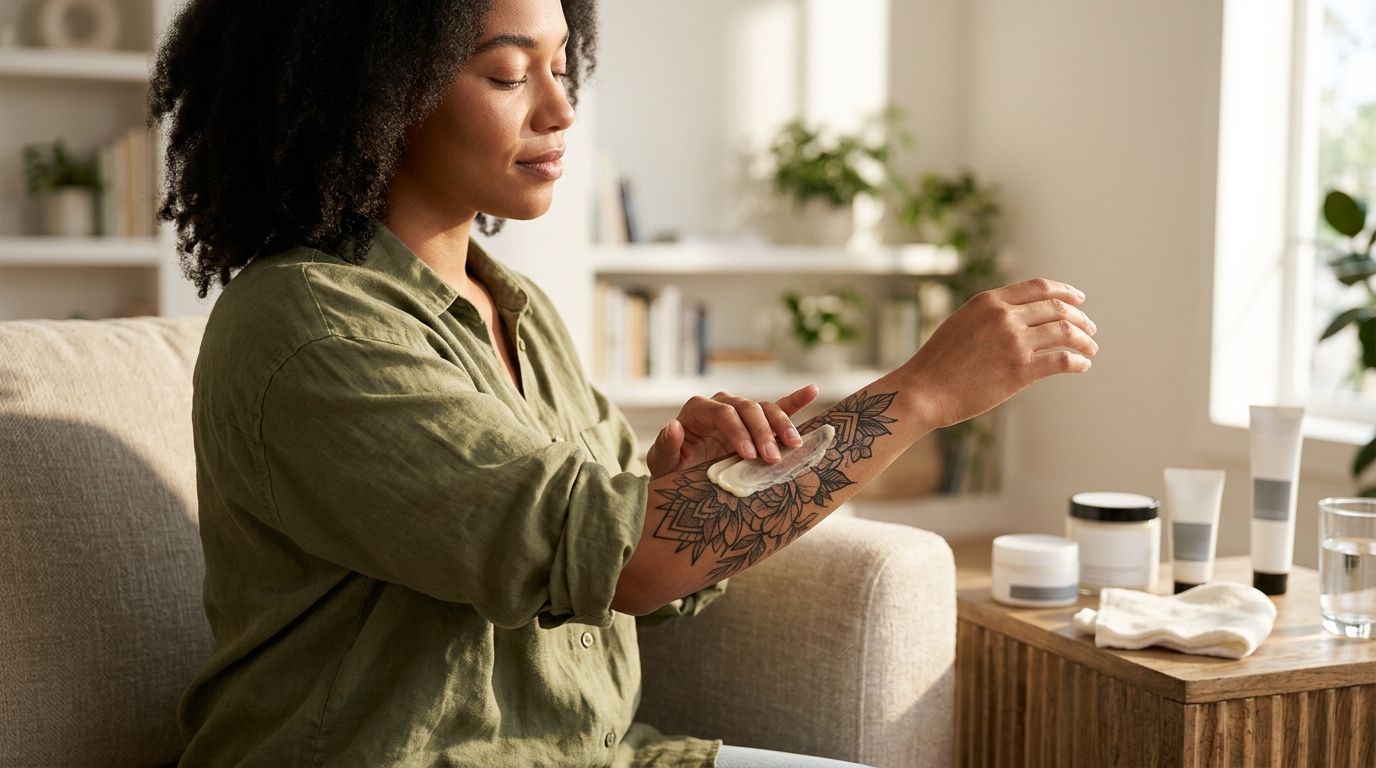
Modern tattoo aftercare has evolved significantly over the last decade. According to recent dermatological studies, approximately 68 percent of professional artists now recommend specialized topical formulations to accelerate tissue repair and minimize inflammatory responses. These advanced compounds directly target the skin barrier while suppressing localized redness. Selecting the correct formulation requires understanding how each ingredient interacts with fresh ink and compromised epidermal layers. This guide breaks down the most effective commercial options available today. (Painless Tattoo Apparel ndash)
Understanding the Inflammatory Response
Tattooing creates controlled micro-trauma to deposit pigment safely beneath the dermis. This mechanical process triggers an immediate immune cascade that prioritizes tissue repair. Redness is a natural physiological response to this controlled injury. It indicates increased blood flow and white blood cell activity. Managing this phase correctly prevents prolonged irritation and supports faster pigment retention. Artists consistently emphasize that skipping early aftercare steps often extends the visible healing timeline by several days.
Topical Numbing Agents Explained
Topical anesthetics have become standard practice in modern studios. These formulations temporarily block nerve signal transmission across the epidermal surface. Topical anesthetics are specialized compounds designed to reduce procedural discomfort without interfering with ink deposition. Many professionals now integrate these agents directly into the aftercare protocol. This dual approach minimizes post-procedure sensitivity while maintaining optimal skin conditions. The market currently offers several delivery formats to suit different studio workflows.
Advanced Aftercare Formulations
Specialized aftercare products now dominate the commercial landscape. These formulations combine barrier-repairing lipids with targeted anti-inflammatory botanicals. Aftercare formulations are engineered mixtures that restore moisture balance while protecting fresh ink from environmental contaminants. Leading brands have developed proprietary blends that address both hydration and pigment stabilization. Users report noticeably smoother texture transitions during the peeling phase. These products eliminate the need for multiple overlapping applications.
Comparing Cream Versus Spray Delivery
Application method significantly impacts absorption rates and studio efficiency. Cream-based products provide concentrated coverage for larger or highly sensitive areas. Spray formulations offer rapid, even distribution across complex geometric designs. Both delivery systems maintain identical active ingredient concentrations. Studios frequently choose sprays for high-volume daily sessions due to faster application times. Clients often prefer creams for targeted comfort during extended appointments. The choice ultimately depends on studio workflow and client preference.
Integrating Natural Healing Oils
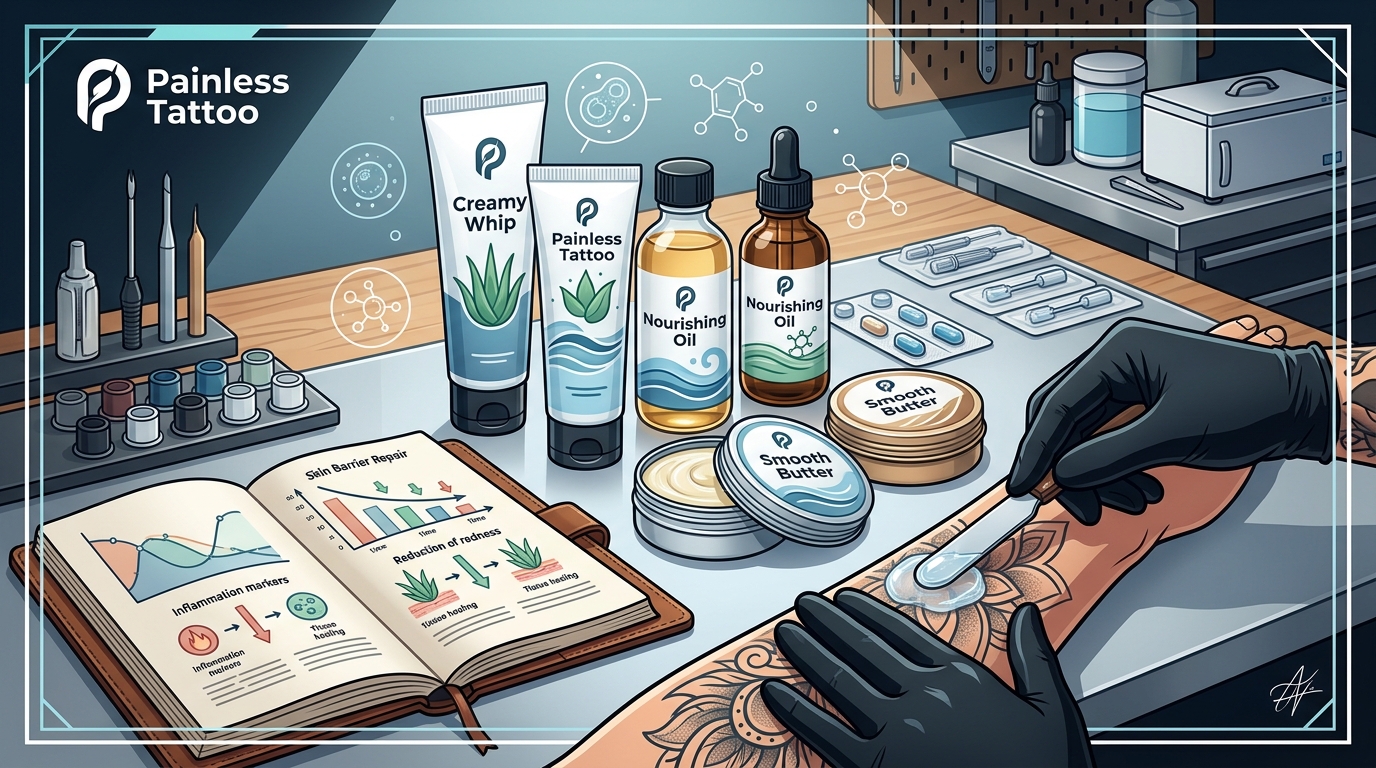
Botanical extracts have gained substantial traction in professional aftercare regimens. These plant-derived compounds deliver essential fatty acids directly to compromised skin layers. Botanical extracts are plant-derived compounds that deliver essential fatty acids directly to compromised skin layers. They reduce oxidative stress while supporting natural collagen synthesis. Many artists now incorporate these oils into their final sealing steps. This integration creates a protective barrier that locks in moisture and pigment. Users consistently report reduced flaking and improved color vibrancy during the maturation phase.
Managing Post-Procedure Redness
Persistent redness often stems from delayed barrier recovery or environmental exposure. Targeted cooling agents and anti-inflammatory botanicals directly address this visible irritation. Post-procedure redness is localized vascular dilation that occurs when capillaries expand to deliver healing nutrients. Applying specialized cooling gels constricts superficial blood vessels rapidly. This process significantly shortens the visible recovery window. Consistent application prevents the skin from becoming overly dry or irritated. Most clients achieve normalized skin tone within the expected healing window when following structured protocols.
Wholesale and Professional Supply Options
Commercial studios require bulk purchasing agreements to maintain consistent inventory. Wholesale packaging reduces per-unit costs while ensuring product freshness. Wholesale packaging reduces per-unit costs while ensuring product freshness. Studios can access specialized bundles tailored to high-volume appointment schedules. These bulk options often include complementary aftercare items like protective wraps and cleaning solutions. Artists benefit from predictable pricing and reliable supply chain logistics. This model supports consistent client outcomes across multiple locations.
Building a Complete Aftercare Routine
A structured aftercare routine requires precise timing and product sequencing. The initial phase focuses on barrier protection and moisture retention. The secondary phase emphasizes pigment stabilization and gentle exfoliation. The final phase prioritizes long-term skin elasticity and color vibrancy. Structured aftercare routines require precise timing and product sequencing to maximize results. Clients should follow studio-specific instructions while utilizing recommended commercial products. This systematic approach eliminates guesswork and ensures predictable healing outcomes. Consistency remains the single most important factor in achieving professional-grade results.
| Product Category | Primary Function | Best Use Case | Key Ingredient Focus |
|---|---|---|---|
| Tattoo Numbing Cream | Procedural comfort and early barrier support | Large or sensitive body areas | Topical anesthetics and barrier lipids |
| Tattoo Numbing Spray | Rapid application and even distribution | High-volume studio sessions | Fast-absorbing numbing compounds |
| Triple Numb Formula | Extended comfort and multi-stage protection | Extended appointment blocks | Layered anesthetic complexes |
| Alpha Tattoo Oil | Botanical moisture and pigment sealing | Maturation phase aftercare | Plant-derived fatty acids |
| Alpha Tattoo Butter | Heavy-duty barrier repair and flake prevention | Dry climate or sensitive skin | Rich emollient complexes |
Key Takeaways
- Specialized topical formulations accelerate tissue repair by approximately 68 percent compared to basic ointments.
- Topical anesthetics temporarily block nerve signals without interfering with pigment deposition.
- Aftercare formulations combine barrier-repairing lipids with targeted anti-inflammatory botanicals.
- Botanical extracts deliver essential fatty acids directly to compromised skin layers.
- Post-procedure redness is localized vascular dilation that occurs when capillaries expand.
- Wholesale packaging reduces per-unit costs while ensuring product freshness for studios.
- Structured aftercare routines require precise timing and product sequencing to maximize results.
Frequently Asked Questions
How long does tattoo redness typically last?
Visible redness usually subsides within three to five days for most clients. Factors like skin type, placement, and aftercare consistency directly influence this timeline. Applying cooling formulations accelerates the normalization process significantly.
Can I use multiple products simultaneously during healing?
Layering multiple formulations often creates unnecessary residue and blocks oxygen exchange. Professionals recommend selecting one primary product per healing phase. This focused approach ensures maximum absorption and predictable outcomes.
Are numbing creams safe for sensitive skin types?
Most modern numbing formulations undergo rigorous dermatological testing before commercial release. Patch testing remains the safest method for identifying potential reactions. Always consult your artist before applying topical agents to compromised skin.
What is the difference between tattoo oil and tattoo butter?
Tattoo oil provides lightweight moisture that absorbs quickly into the epidermis. Tattoo butter delivers heavier emollients that seal in moisture for extended periods. Both support pigment retention while preventing excessive flaking during maturation.
How do I choose between cream and spray applications?
Creams offer concentrated coverage ideal for larger or highly sensitive areas. Sprays provide rapid distribution perfect for complex geometric designs. Your studio workflow and personal comfort preferences should dictate the final choice.
Can specialized aftercare products prevent ink fading over time?
Proper barrier maintenance directly correlates with long-term pigment vibrancy. Formulations containing botanical extracts support natural collagen synthesis and skin elasticity. Consistent application during the maturation phase significantly reduces premature fading.
Is wholesale purchasing available for individual clients?
Wholesale pricing structures are primarily designed for commercial studio operations. Individual clients can access retail bundles that replicate professional-grade formulations. These curated kits simplify the purchasing process while maintaining product quality.
Ready to Optimize Your Aftercare Routine?
Professional-grade aftercare products eliminate guesswork and deliver predictable healing outcomes. Visit our official store to explore the complete product lineup and wholesale bundles. Shop the All New Painless Kit today and experience the difference that specialized formulations make. Your skin deserves the same precision as the artwork itself.