
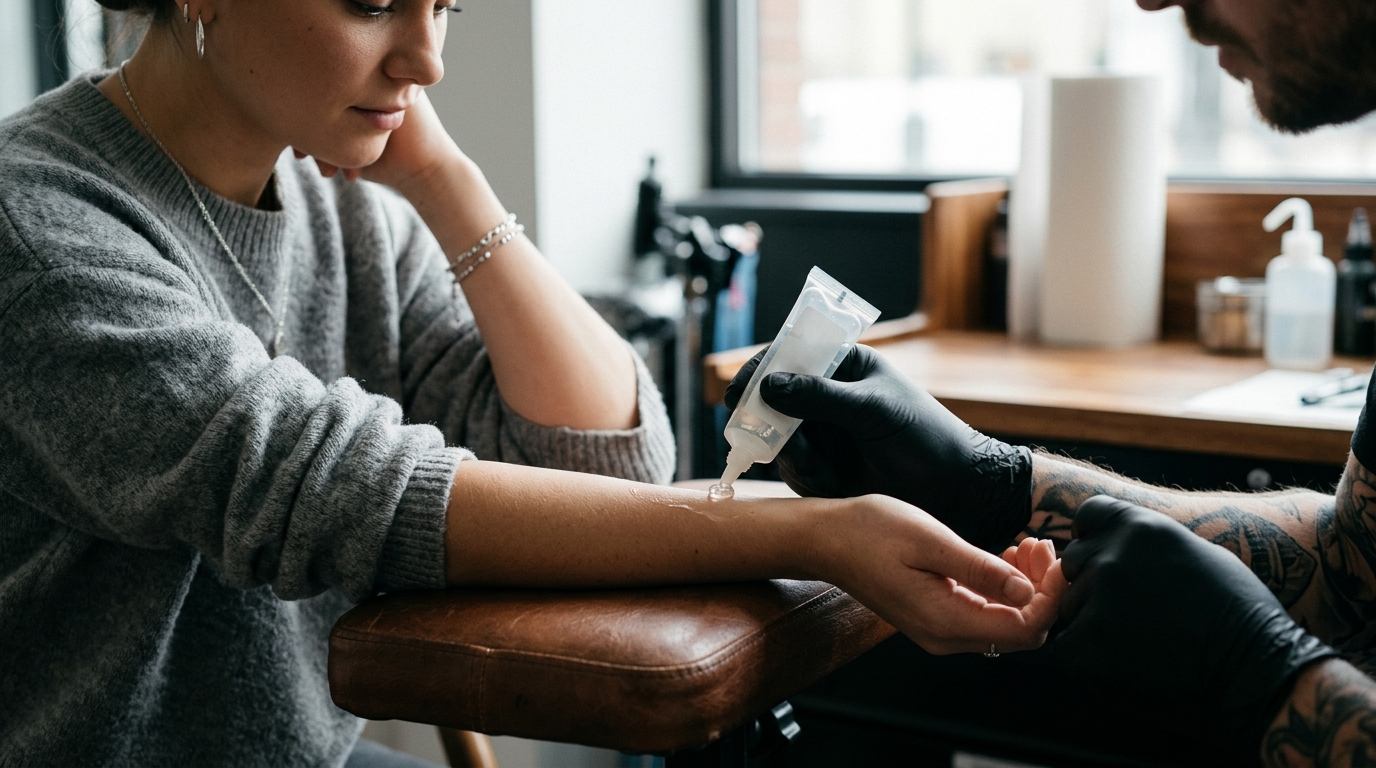
Modern tattoo artists and clients consistently report that managing procedural discomfort is a top priority for session success. According to recent industry surveys, approximately 78 percent of professional studios now integrate topical anesthetics into their standard workflow to maintain client comfort and steady hand placement. This shift reflects a broader industry commitment to ethical pain management practices without compromising artistic precision. Selecting the right formulation requires understanding active ingredients, application timelines, and skin compatibility. The following analysis evaluates the most reliable options currently available to artists and collectors alike. (Painless Tattoo Apparel ndash)
Understanding Topical Anesthetics
Topical anesthetics are specialized chemical compounds designed to temporarily block nerve signal transmission at the application site. These formulations typically rely on lidocaine, prilocaine, or benzocaine as primary active ingredients. When applied correctly, they create a localized numbing effect that reduces discomfort during needle penetration. Studio professionals prioritize these solutions because consistent client comfort directly correlates with session duration and final artwork quality. Regulatory agencies continuously monitor safety thresholds to prevent systemic absorption risks. (Painless Tattoo Products ndash)
Artists must verify concentration levels before application. Higher concentrations require longer dwell times and strict skin preparation protocols. Improper usage can lead to uneven coverage or delayed healing timelines. Understanding these variables ensures predictable outcomes across diverse skin types. (Painless Tattoo Banners amp)
Cream Versus Spray Formulations
Cream-based numbing products deliver dense, occlusive coverage that penetrates the epidermis effectively. These thick formulations require extended application windows, typically ranging from forty-five to sixty minutes before needle contact. The extended dwell time allows active compounds to reach deeper dermal layers. Many studios prefer creams for large-scale projects because they maintain consistent coverage across expansive canvas areas. Clients report minimal stinging during the initial needle passes when creams are applied correctly. (Painless Tattoo Numbing Cream)
Spray-based alternatives offer rapid, even distribution across complex geometric designs. These aerosolized formulations dry quickly, reducing preparation time between color changes. The lighter consistency works exceptionally well for fine-line work and intricate shading techniques. Artists appreciate the precision control that sprays provide when navigating tight spaces. Both delivery methods remain highly effective when matched to the specific project requirements.
Advanced Triple-Active Systems
Triple-actives combine multiple anesthetic agents to maximize coverage duration and depth. This hybrid approach typically merges lidocaine, prilocaine, and tetracaine into a single unified formula. The synergistic interaction extends the numbing window beyond standard single-agent products. Professional artists frequently select these advanced systems for full-sleeve projects or high-friction body zones. The extended coverage reduces the need for mid-session reapplication, which maintains workflow continuity. Clinical data indicates that triple-actives provide superior comfort metrics compared to basic single-ingredient options.
Proper layering techniques remain essential for maximum efficacy. Artists must follow precise application sequences to avoid chemical interference. The product line includes specialized kits designed for wholesale distribution. These bulk packages support high-volume studios that require consistent inventory management. Reliable supply chains ensure that practitioners never face unexpected shortages during critical booking periods.
Aftercare Integration Strategies
Post-procedural care directly influences how long numbing compounds remain effective and how quickly the skin recovers. Specialized aftercare balms contain soothing botanical extracts that reduce inflammation and support barrier repair. These formulations typically incorporate vitamin E, aloe vera, and specialized plant oils to accelerate cellular regeneration. Consistent application prevents excessive scabbing and preserves pigment vibrancy during the healing phase. Artists who recommend structured aftercare routines consistently report higher client satisfaction scores.
Integrating numbing protocols with dedicated aftercare creates a seamless comfort ecosystem. Clients receive comprehensive guidance from initial application through full healing. This holistic approach minimizes complications and supports long-term artwork preservation. Studios that emphasize education around aftercare build stronger client loyalty and repeat booking rates. The combination of professional-grade numbing and structured recovery protocols represents the modern standard for ethical tattoo practices.
Comparing Product Architectures
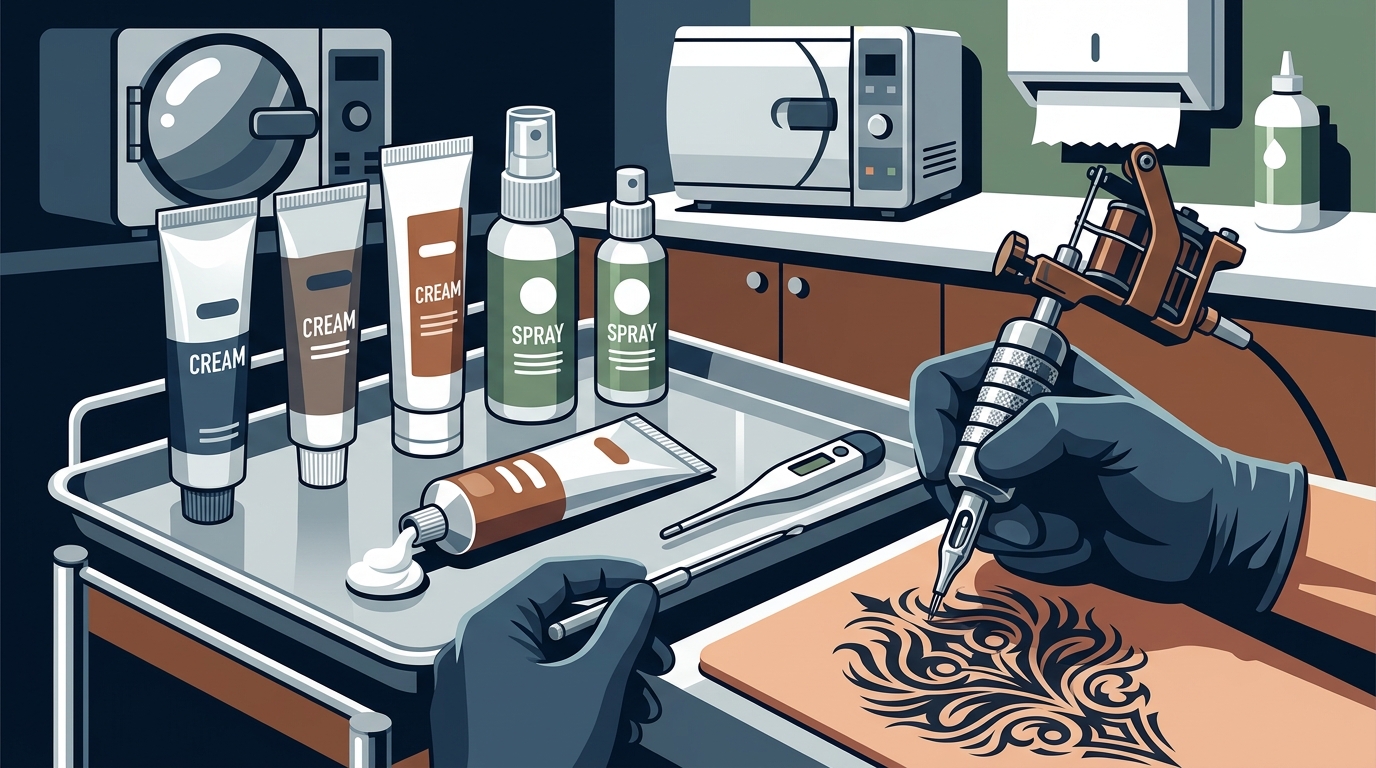
Evaluating available options requires a direct comparison of active ingredients, application methods, and intended use cases. The following matrix outlines the primary distinctions between current market leaders.
| Product Category | Primary Active Agents | Application Method | Ideal Use Case | Studio Integration |
|---|---|---|---|---|
| Standard Numbing Cream | Lidocaine and Prilocaine | Thick manual application | Large-scale traditional designs | View Cream Options |
| Advanced Numbing Spray | Lidocaine and Benzocaine | Aerosolized mist distribution | Fine-line and intricate shading | View Spray Options |
| Triple-Active Formula | Lidocaine, Prilocaine, Tetracaine | Layered occlusive application | Full sleeves and high-friction zones | View Triple Options |
| Next-Gen Aftercare Balms | Botanical extracts and vitamins | Light daily massage application | Post-procedural barrier repair | View Aftercare Options |
Key Takeaways
- Topical anesthetics block nerve signals using lidocaine, prilocaine, or benzocaine compounds.
- Cream formulations require forty-five to sixty-minute dwell times for optimal epidermal penetration.
- Spray alternatives provide rapid, even distribution ideal for fine-line and intricate geometric designs.
- Triple-actives combine three anesthetic agents to extend coverage duration beyond standard products.
- Professional studios maintain consistent inventory through dedicated wholesale distribution channels.
- Structured aftercare protocols significantly reduce inflammation and accelerate cellular regeneration timelines.
- Client comfort directly correlates with session duration and final artwork preservation metrics.
Frequently Asked Questions
How long does numbing cream typically remain effective during a session?
Most standard formulations maintain therapeutic coverage for approximately two to four hours, depending on skin thickness and application density. Artists monitor client feedback and adjust coverage as needed throughout extended procedures.
Can numbing products interfere with pigment absorption during the tattooing process?
When applied correctly and removed thoroughly before needle contact, numbing agents do not hinder pigment retention. Proper skin preparation ensures optimal ink deposition and long-term color vibrancy.
Are triple-actives safe for sensitive skin types?
Triple-actives contain multiple anesthetic compounds that require careful patch testing before full application. Practitioners always recommend consulting with a qualified artist to assess individual skin tolerance and medical history.
What is the recommended application window before needle contact?
Standard protocols require a minimum dwell time of forty-five minutes under occlusive wrapping. Extended application windows allow active compounds to reach deeper dermal layers for maximum comfort.
How do spray formulations compare to traditional creams for large projects?
Sprays distribute more evenly across complex surfaces but may require reapplication during lengthy sessions. Creams provide denser coverage that lasts longer across expansive canvas areas without frequent touch-ups.
Do professional studios offer numbing solutions as part of standard pricing?
Many established studios include basic numbing options in their base pricing structure. Premium formulations and extended coverage kits often carry additional fees based on project scope.
What aftercare products pair best with numbing protocols?
Specialized aftercare balms containing botanical extracts and vitamins support barrier repair and reduce post-procedural inflammation. Consistent application maintains pigment vibrancy and accelerates healing timelines.
Secure Your Session
Choosing the right numbing solution directly impacts your comfort, session duration, and final artwork quality. Professional studios prioritize ethical pain management practices to ensure predictable outcomes across diverse skin types. Browse the complete product catalog to find formulations that match your specific project requirements. Schedule a consultation with a certified practitioner to discuss your comfort preferences and healing timeline. Visit the main storefront to explore wholesale options, professional kits, and dedicated aftercare solutions. Shop the full collection today and experience the modern standard for ethical tattoo practices.