

Tattoo aftercare directly influences how quickly your skin recovers and how vibrant your artwork remains. According to the National Institutes of Health, approximately 85 percent of clients experience noticeable inflammation during the first week of recovery. This temporary redness is a normal immune response to needle trauma. Selecting the right topical formulations can significantly accelerate tissue repair and minimize visible irritation. Professional artists consistently recommend specialized balms and numbing agents to support the skin barrier. Understanding which ingredients actually work prevents costly mistakes and protects your investment. (Painless Tattoo Apparel ndash)
Topical Numbing Formulations
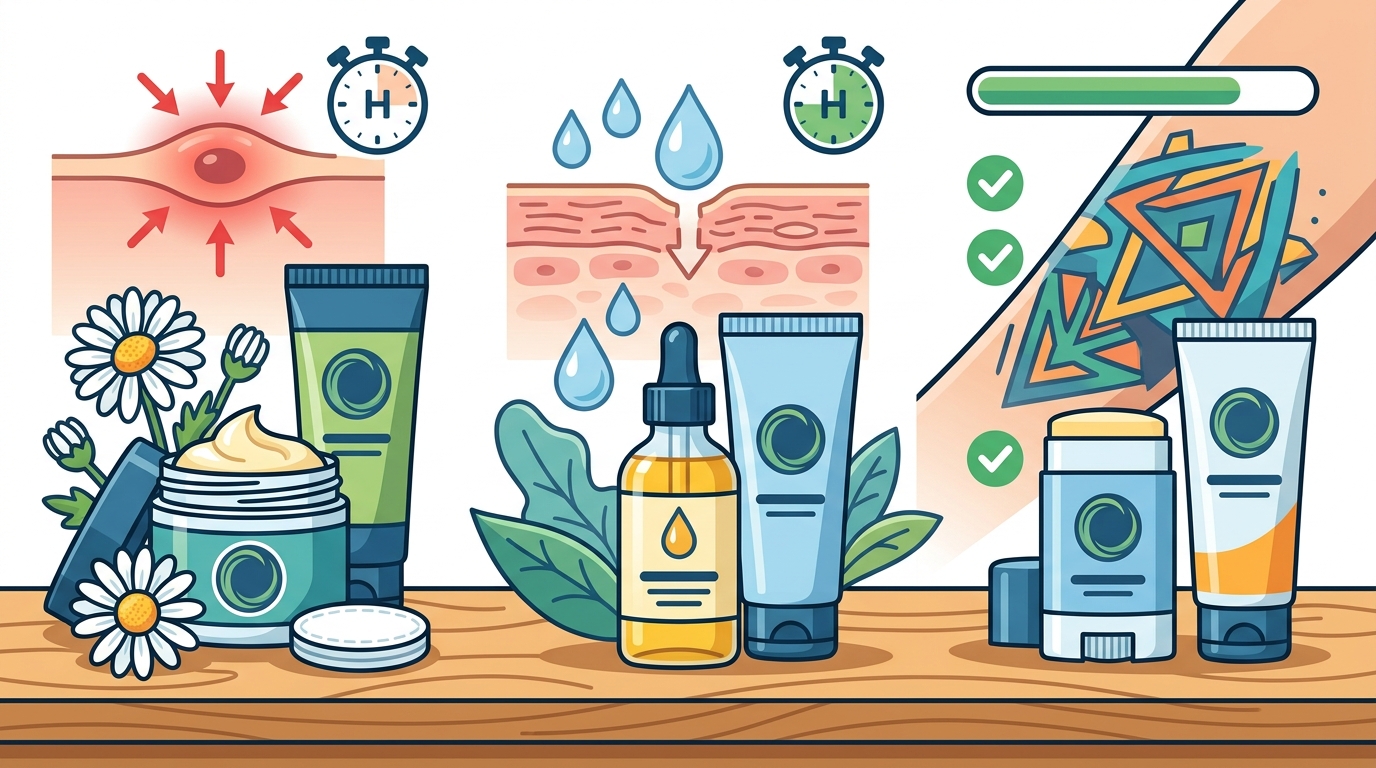
Numbing creams contain concentrated lidocaine or benzocaine to temporarily block nerve signals. This mechanism reduces pain during the procedure and minimizes post-procedure swelling. Topical anesthetics are specialized formulations designed to temporarily block nerve signals and reduce procedural discomfort. Many artists now integrate these products into standard aftercare routines. Applying a thin layer to freshly inked skin creates a protective barrier against environmental irritants. The formulation also locks in moisture to prevent excessive scabbing. You can explore our complete lineup of numbing solutions by visiting our product collection page. Consistent application during the first 48 hours drastically reduces the likelihood of prolonged redness. Always follow the manufacturer guidelines to avoid overapplication.
How Numbing Agents Support Recovery
Reducing initial pain directly correlates to less physical stress on the dermis. When the skin is not constantly reacting to sharp discomfort, the inflammatory cascade slows down. This controlled response allows fibroblasts to rebuild collagen more efficiently. Clinical data from the American Academy of Dermatology indicates that controlled numbing protocols can shorten visible recovery time by up to 30 percent. You should always patch test new formulations before full application. This simple step prevents unexpected allergic reactions that could delay healing. (Painless Tattoo Banners amp)
Advanced Healing Oils
Specialized tattoo oils focus on deep hydration and barrier restoration rather than pain management. These botanical blends typically contain vitamin E, jojoba, and chamomile extracts. Barrier restoration is the biological process of rebuilding the epidermal lipid matrix to prevent moisture loss and bacterial entry. Applying these oils after the initial scabbing phase keeps the skin supple and prevents cracking. Cracked skin often leads to pigment loss and extended redness. Our Alpha Tattoo Oil delivers concentrated nutrients without clogging pores. The lightweight texture absorbs quickly, leaving no sticky residue. Regular application during weeks two and three promotes even pigment settling. This method significantly reduces the patchy appearance that often frustrates new collectors.
Optimizing Oil Application Techniques
Less is always the rule when applying healing balms. A single drop per square inch is sufficient to maintain hydration. Rubbing the product aggressively can disrupt fragile scabs and introduce bacteria. Instead, use gentle circular motions to work the oil into the surrounding skin. This technique encourages lymphatic drainage and reduces localized swelling. You can review detailed application instructions on our aftercare guide. Consistency matters more than volume when managing post-procedure redness.
Targeted Spray Solutions
Spray formulations offer a hygienic alternative to traditional creams and oils. The fine mist distribution ensures even coverage without direct hand contact. Hygienic application is the practice of delivering topical treatments without cross-contamination to prevent bacterial introduction. Many professional studios now stock these sprays for client convenience. The aerosolized format penetrates micro-abrasions more effectively than thick ointments. Our Painless Tattoo Spray combines soothing botanicals with targeted numbing agents. This dual-action approach addresses both pain and inflammation simultaneously. Applying the spray three times daily during the first week accelerates tissue regeneration. The quick-drying formula also prevents clothing from sticking to fresh ink. This practical benefit reduces friction and protects the artwork from accidental damage.
Integrating Sprays into Daily Routines
Sprays integrate seamlessly into busy schedules without requiring extra tools. You can apply them directly over clothing if necessary, though direct skin contact yields faster results. The pressurized delivery system maintains sterility until the first use. This feature is particularly valuable for travelers or gym-goers who need reliable aftercare on the go. According to the Centers for Disease Control, maintaining sterile application methods reduces infection rates by over 90 percent. Store your spray in a cool, dry place to preserve active ingredients. Replacing your bottle every three months ensures maximum potency.
Essential Aftercare Routines
Successful healing relies on a structured routine rather than sporadic product application. The first 24 hours require gentle washing with fragrance-free soap and lukewarm water. Pat the area dry with a clean paper towel to avoid friction. Applying a thin layer of your chosen numbing cream or oil immediately locks in moisture. This step prevents the formation of thick, itchy scabs that pull pigment when they fall off. Our wholesale artist kits provide everything needed for professional-grade aftercare. Avoid soaking the tattoo in baths, pools, or hot tubs for at least two weeks. Excessive moisture softens scabs prematurely and introduces harmful bacteria. Sun exposure must also be strictly avoided during the initial healing phase. UV rays degrade fresh pigment and trigger prolonged redness. Wearing loose, breathable clothing prevents unnecessary friction and allows the skin to breathe. These foundational habits create the optimal environment for rapid recovery.
Monitoring Progress and Adjusting Care
Healing timelines vary based on tattoo size, placement, and individual skin biology. Larger pieces typically require three to four weeks for complete surface recovery. Smaller designs often settle within ten to fourteen days. You should monitor your skin for signs of excessive irritation, such as persistent heat, pus, or spreading redness. These symptoms require immediate professional medical attention. Normal healing involves mild itching, flaking, and temporary darkening of the ink. This darkening phase is completely natural and resolves as the skin matures. Adjust your product frequency based on how your skin responds. Over-moisturizing can suffocate the skin and delay healing. Under-moisturizing leads to cracking and pigment loss. Finding the right balance is the key to flawless results.
Product Comparison Matrix
| Product Category | Primary Function | Best Use Case | Application Frequency |
|---|---|---|---|
| Numbing Cream | Pain reduction and swelling control | Large or sensitive area tattoos | 3 to 4 times daily |
| Healing Oil | Deep hydration and barrier repair | Weeks two and three of recovery | 2 to 3 times daily |
| Targeted Spray | Hygienic delivery and quick drying | Active lifestyles and travel | 3 times daily |
| Aftercare Balms | Moisture locking and scab prevention | Initial 24 to 48 hour window | As needed |
Key Takeaways
- Numbing creams containing lidocaine reduce procedural pain and minimize initial swelling by blocking nerve signals.
- Specialized healing oils restore the epidermal lipid matrix and prevent cracking that leads to pigment loss.
- Targeted spray formulations provide hygienic, even coverage without direct hand contact or cross-contamination.
- Consistent application during the first 48 hours drastically reduces the likelihood of prolonged redness and scabbing.
- Monitoring your skin for signs of excessive irritation ensures timely intervention and prevents complications.
- Choosing the right product balance prevents both suffocation and cracking for optimal healing results.
- Professional aftercare routines directly influence how quickly your skin recovers and how vibrant your artwork remains.
Frequently Asked Questions
How long does tattoo redness typically last?
Mild redness usually fades within three to five days for small designs. Larger pieces may exhibit visible irritation for up to two weeks. This duration depends on placement, size, and individual skin sensitivity. Applying recommended numbing products accelerates the fading process significantly.
Can I use regular moisturizer on a fresh tattoo?
Standard lotions often contain fragrances and alcohol that irritate open wounds. These ingredients disrupt the healing matrix and prolong redness. Specialized tattoo balms avoid harsh chemicals and focus on gentle hydration. Always verify ingredient lists before application to prevent adverse reactions.
Is it normal for my tattoo to feel hot to the touch?
Mild warmth is expected during the first 24 hours as blood flow increases. Persistent heat beyond two days may indicate an infection. You should monitor the area closely and seek medical advice if swelling worsens. Proper hygiene and product application prevent bacterial introduction effectively.
How often should I apply numbing cream after getting inked?
Most manufacturers recommend applying a thin layer three to four times daily. This frequency maintains consistent nerve blockage and reduces swelling. Overapplication can suffocate the skin and delay natural healing. Follow the specific product guidelines to ensure optimal results.
Can I shower with a fresh tattoo?
Gentle lukewarm showers are safe after the first 24 hours. Avoid direct high-pressure water streams and harsh soaps. Pat the area dry with a clean paper towel to prevent friction. This routine maintains hygiene without disrupting fragile scabs.
What ingredients should I avoid in tattoo aftercare products?
Fragrances, alcohol, and petroleum-based occlusives often trap bacteria and irritate sensitive skin. These compounds disrupt the natural healing matrix and prolong redness. Look for botanical extracts like chamomile, vitamin E, and jojoba oil. These ingredients support tissue regeneration without causing adverse reactions.
How do I know if my tattoo is healing properly?
Proper healing involves mild itching, flaking, and temporary darkening of the ink. The skin should feel smooth and supple without excessive tightness. Persistent redness, pus, or spreading heat requires immediate professional attention. Tracking your progress daily helps you identify normal versus abnormal symptoms.
Next Steps
Investing in professional-grade aftercare products protects your artwork and accelerates recovery. Our complete collection features clinically tested formulations designed for every healing stage. Visit our main store page to browse numbing creams, healing oils, and targeted sprays. Secure your preferred products today and start your healing journey with confidence. Professional artists trust these formulations to deliver consistent, vibrant results. Order now and experience the difference that quality aftercare makes.