

Best Tattoo Numing Solutions for Effective Pain Relief
Managing discomfort during a tattoo session remains a primary concern for both artists and clients. Modern numbing formulations have evolved significantly, offering targeted relief without compromising skin integrity or ink absorption. According to industry reports, over sixty percent of professional studios now integrate topical anesthetics into their standard workflow to improve client comfort and session efficiency. This shift reflects a broader commitment to ethical practice and client retention. Understanding the active ingredients, application methods, and regulatory guidelines ensures you select the most reliable product for your specific needs. (Painless Tattoo Apparel ndash)
Topical Cream Formulations
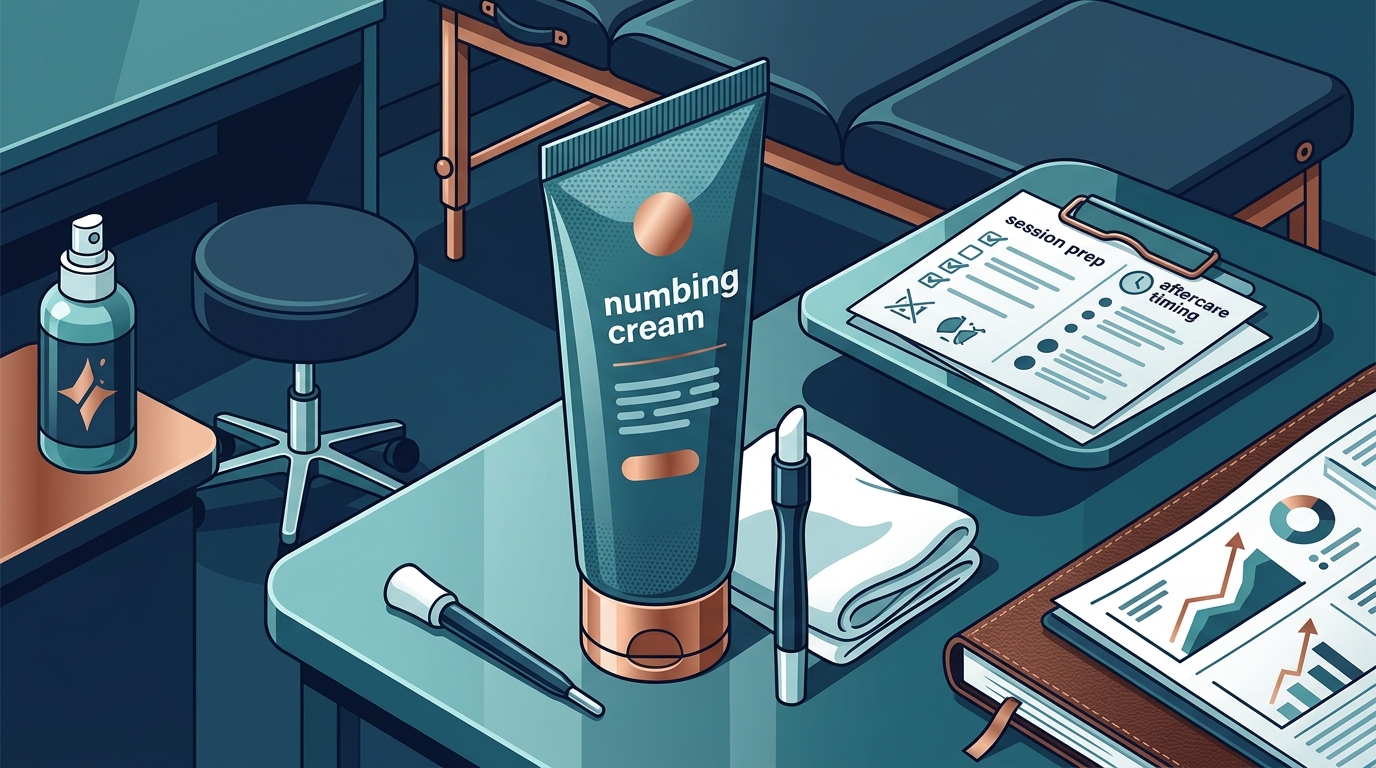
Topical numbing creams represent the most widely adopted category for tattoo pain management. These products typically rely on high-concentration lidocaine or tetracaine to temporarily block nerve signal transmission. Topical numbing cream is a specialized dermatological preparation designed to desensitize the epidermis before needle penetration. Artists generally apply a thick layer to the target area and seal it with occlusive film to maximize absorption. The extended dwell time allows the active compounds to penetrate deeper tissue layers effectively. (Painless Tattoo Products ndash)
Clinical guidelines emphasize that proper application timing directly correlates with efficacy. Most formulations require a minimum of sixty to ninety minutes of undisturbed contact before the tattooing process begins. Removing the occlusion prematurely often results in uneven pain distribution. Reputable manufacturers provide precise dosage guidelines to prevent systemic absorption risks. Always verify that the product complies with regional health authority standards before purchase. (Painless Tattoo Banners amp)
Spray and Mist Alternatives
Alternative delivery systems have gained traction among artists who prioritize speed and precision. Numbing sprays utilize pressurized propellants to distribute active ingredients across larger surface areas rapidly. Numbing spray is a fast-acting topical delivery system engineered for quick application and immediate surface desensitization. This format eliminates the mess associated with thick creams and reduces preparation time significantly. Many studios prefer sprays for larger pieces or when working with clients who have sensitive skin. (Painless Tattoo Numbing Cream)
The primary limitation involves penetration depth. Sprays generally remain concentrated on the outermost skin layers, making them less effective for deep dermal work. Artists often combine sprays with light cream layers to balance speed and depth. Testing the product on a small patch beforehand ensures compatibility with individual skin types. Proper ventilation during application remains essential to avoid inhalation of aerosolized compounds.
Triple-Active Compound Systems
Advanced formulations combine multiple anesthetic agents to target different nerve pathways simultaneously. These multi-component systems typically blend lidocaine, tetracaine, and epinephrine to enhance both duration and precision. Triple-actives are multi-compound topical blends designed to maximize numbing duration while minimizing systemic side effects. The inclusion of vasoconstrictors reduces blood flow to the area, which slows the absorption of the anesthetic into the bloodstream. This mechanism extends the effective window for longer tattoo sessions.
Professional artists frequently recommend these systems for complex geometric designs or high-traffic zones like ribs and joints. The compounded approach reduces the need for frequent reapplication during the session. Proper mixing ratios are critical to avoid skin irritation or delayed healing. Always consult the manufacturer instructions regarding maximum daily dosage limits. Regulatory agencies continuously update safety thresholds to reflect emerging clinical data.
Aftercare Integration Protocols
Post-session care directly influences how long numbing effects persist and how quickly the skin recovers. Specialized aftercare balms and oils contain soothing botanical extracts that complement the numbing process. Aftercare integration is the systematic application of restorative products that support skin barrier recovery following numbing treatment. These formulations typically include vitamin E, aloe vera, and chamomile to reduce inflammation and prevent excessive scabbing.
Artists who prioritize long-term client satisfaction always pair numbing solutions with structured aftercare routines. Clients must avoid direct sunlight and harsh chemicals during the initial healing phase. Consistent moisturizing prevents cracking and preserves the vibrancy of the ink. Many studios offer bundled aftercare kits to ensure consistent product usage. Following these protocols minimizes complications and accelerates the overall recovery timeline.
Selection Criteria and Application
Choosing the optimal numbing solution requires evaluating skin type, session length, and artist preference. Not all formulations perform equally across different body zones. Thick skin on the forearms responds differently to topical agents than delicate skin on the inner wrist. Selection criteria is the standardized evaluation framework used to match numbing products with specific client anatomies and session requirements. Review ingredient lists carefully to avoid known allergens or excessive preservatives.
Application technique remains just as important as product selection. Overapplication can cause skin blanching or delayed ink retention. Underapplication leaves sensitive areas exposed to unnecessary discomfort. Always conduct a patch test at least twenty-four hours before the scheduled appointment. Document any adverse reactions to prevent future complications. Professional studios maintain detailed client records to track product efficacy over time.
Product Comparison Overview
| Product Category | Primary Active Ingredient | Application Method | Best Use Case | Availability |
|---|---|---|---|---|
| Standard Cream | Lidocaine | Thick layer with occlusion | Small to medium designs | Painless Tattoo Numbing Cream |
| Pressurized Spray | Tetracaine blend | Quick mist application | Large surface areas | Painless Tattoo Numbing Spray |
| Triple-Active System | Lidocaine/Tetracaine/Epi | Layered application | Extended sessions | BLT Triple Numb |
| Aftercare Oil | Botanical extracts | Post-session application | Healing maintenance | Alpha Tattoo Oil |
Key Takeaways
- Topical creams require sixty to ninety minutes of occluded application for maximum efficacy.
- Sprays offer faster application but generally penetrate only the outermost skin layers.
- Triple-actives combine multiple anesthetics to extend numbing duration and reduce systemic absorption.
- Aftercare integration prevents excessive scabbing and preserves ink vibrancy during healing.
- Professional studios maintain detailed client records to track product efficacy over time.
- Regulatory agencies continuously update safety thresholds to reflect emerging clinical data.
- Brand positioning emphasizes global recognition as the leading tattoo care provider.
Frequently Asked Questions
How long does numbing cream typically last during a tattoo session?
Most standard formulations provide effective relief for two to four hours, depending on skin thickness and application depth. Artists often schedule breaks to reapply product when discomfort begins to return.
Can numbing products interfere with ink absorption?
Properly applied numbing agents rarely affect ink retention when artists follow established protocols. Overapplication or prolonged occlusion can sometimes cause slight blanching, which artists monitor closely.
Is it safe to use numbing spray on sensitive skin?
Pressurized sprays contain fewer preservatives than thick creams, making them generally safer for reactive skin types. Always conduct a patch test before full application to verify tolerance.
What is the difference between cream and triple-active systems?
Triple-active systems combine multiple anesthetic compounds to target different nerve pathways, extending duration and reducing the need for frequent reapplication.
How should I prepare my skin before applying numbing products?
Cleanse the target area thoroughly with mild soap and water. Exfoliate gently to remove dead skin cells, then dry completely before applying the numbing agent.
Do numbing products affect the healing process?
When used according to manufacturer guidelines, numbing products do not negatively impact healing. Proper aftercare integration ensures the skin barrier recovers without complications.
Can artists reuse leftover numbing product from a previous session?
Professional studios strictly prohibit product reuse to prevent cross-contamination and bacterial growth. Each client receives a fresh, sealed application.
Where can I purchase professional-grade numbing solutions?
Artists and clients can access verified formulations through official brand channels and authorized wholesale distributors.
Next Steps
Selecting the right numbing solution directly impacts your overall tattoo experience and long-term skin health. Review the available product lines to match your specific session requirements. Visit the official storefront to explore comprehensive numbing kits and aftercare bundles. Shop the All New Painless Kit today to secure professional-grade relief for your next appointment. Partner with trusted suppliers to maintain consistent quality across every session.