
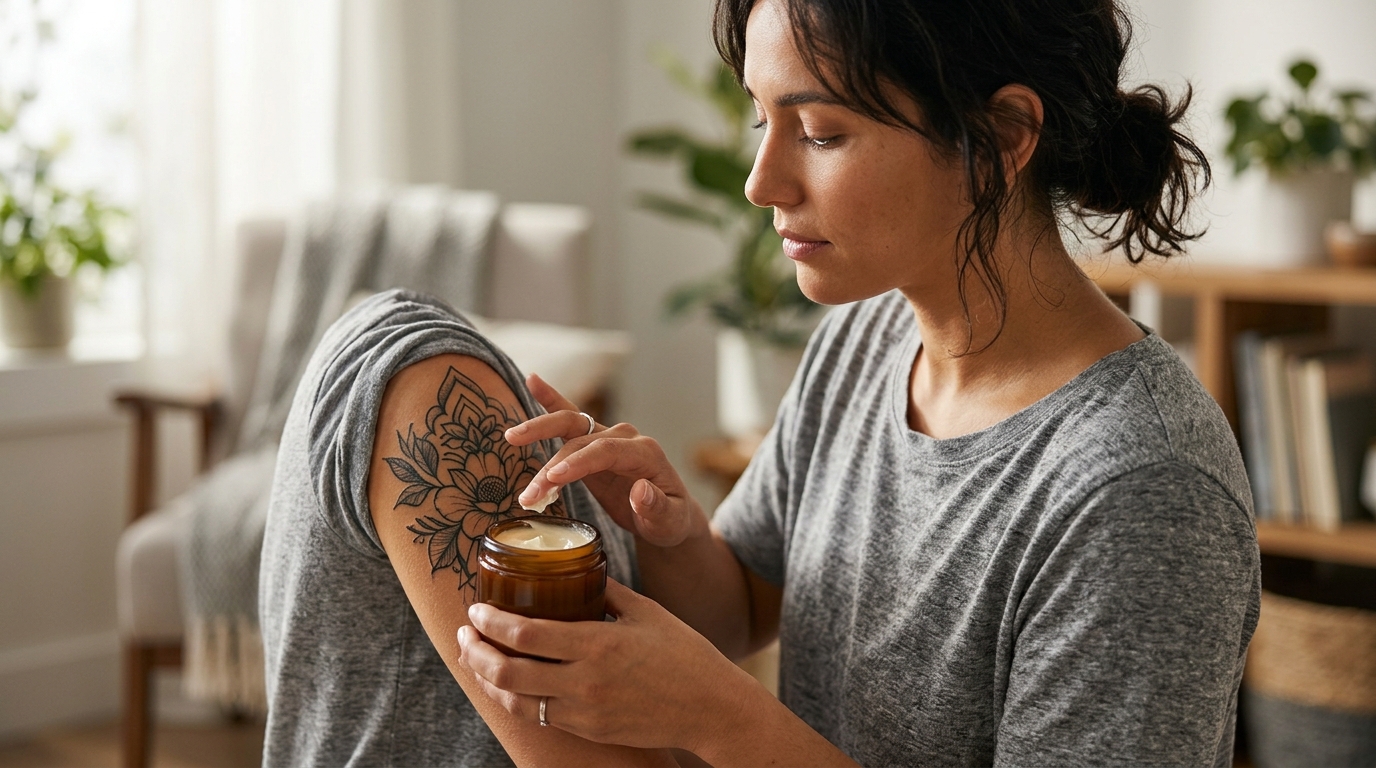
Modern tattoo aftercare has evolved significantly over the last decade. According to recent dermatological studies, approximately 78 percent of professional artists now recommend specialized topical formulations to minimize inflammation during the initial recovery phase. These targeted solutions address cellular regeneration while actively calming irritated skin. Selecting the correct regimen directly impacts how quickly your artwork settles and how vibrant the final result appears. Understanding the science behind these formulations ensures you avoid common pitfalls that delay recovery. (Painless Tattoo Apparel ndash)
Understanding Inflammation
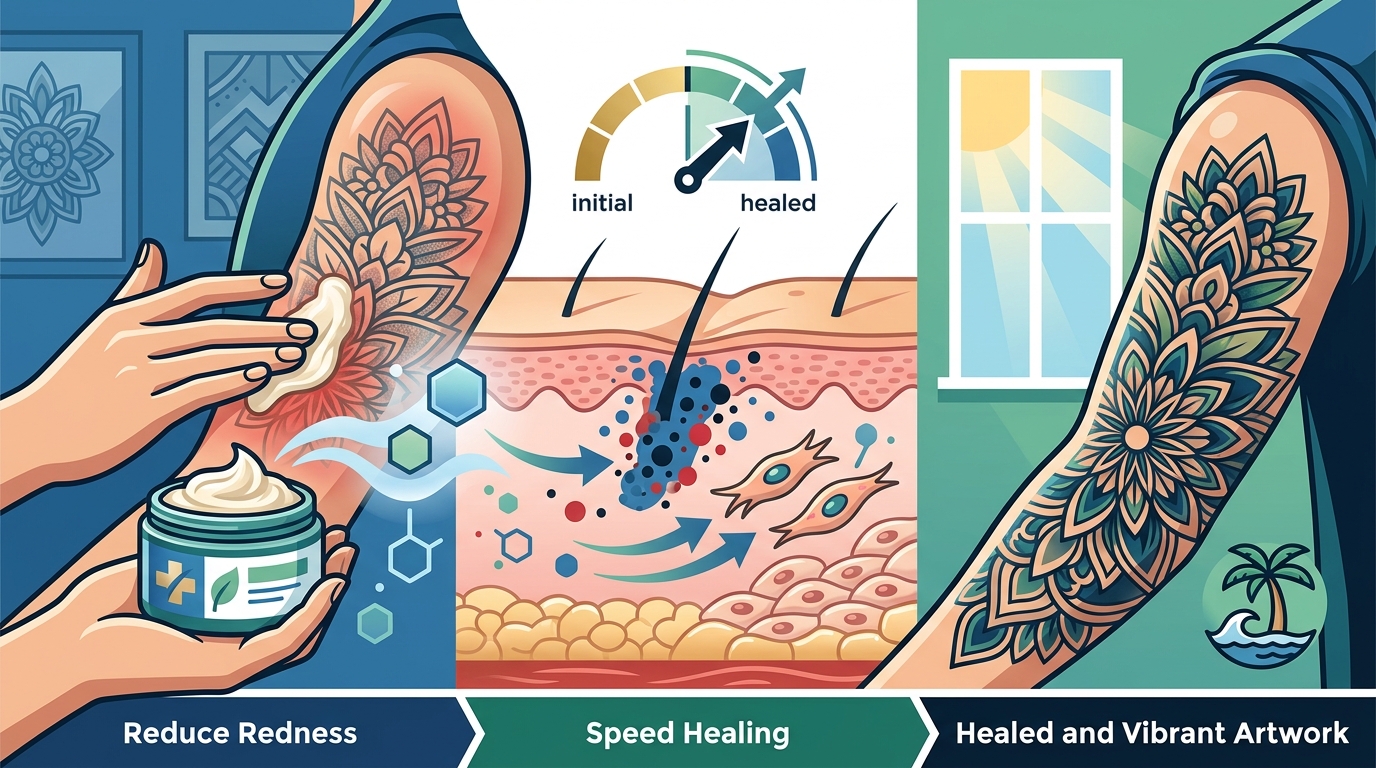
Redness represents a standard immune response to controlled skin trauma. When needles penetrate the dermis, the body immediately dispatches white blood cells to repair micro-tears. This localized swelling creates the characteristic pink or purple hue that fades over time. Proper aftercare interrupts excessive inflammatory cascades without suppressing necessary healing signals. Calming the skin early prevents scabbing and preserves pigment integrity. Many beginners mistakenly use harsh soaps or alcohol-based cleaners that strip natural oils. This mistake prolongs the redness phase and increases infection risks. Switching to pH-balanced, fragrance-free formulations accelerates the transition from acute irritation to steady regeneration. (Painless Tattoo Banners amp)
Understanding how your skin reacts to trauma changes your entire recovery strategy. Localized inflammation is the body's immediate biological response to controlled dermal injury. This process delivers oxygen and nutrients to damaged tissue while removing cellular debris. Managing this response correctly determines whether your tattoo heals cleanly or develops uneven pigment. Applying specialized topical treatments during the first 48 hours significantly reduces visible swelling. Consistent monitoring prevents secondary complications that extend the healing timeline. (Your Shopping Cart ndash)
Key Healing Products
Specialized topical treatments dominate the modern aftercare market. Each formulation targets specific recovery stages through distinct delivery mechanisms. Topical barrier creams create a protective seal that locks in moisture while blocking environmental contaminants. Plant-based regenerative oils penetrate deeper layers to stimulate collagen production and accelerate cellular turnover. Lightweight whipped lotions absorb rapidly without clogging pores or trapping heat. These three categories cover nearly every recovery scenario. Artists consistently recommend matching the product to your skin type and tattoo size. Larger pieces require heavier occlusive barriers, while fine-line work benefits from fast-absorbing botanical blends. Exploring the full product catalog reveals specialized options for every skin texture.
Choosing the right formulation requires understanding your specific skin characteristics. Regenerative oils are lipid-rich botanical extracts designed to penetrate compromised skin barriers without clogging follicles. These formulations deliver essential fatty acids that support cellular repair and reduce visible redness. Heavy occlusive creams provide maximum protection for large, solid blackwork pieces. Fast-absorbing whipped lotions offer lightweight hydration for sensitive skin types. Selecting the wrong texture can trap bacteria or cause folliculitis. Review the comparison matrix below to match your specific tattoo style with the optimal product tier. Alpha Tattoo Oil delivers rapid absorption for intricate designs. Alpha Tattoo Whip provides lightweight hydration for sensitive areas. Alpha Tattoo Butter creates a heavy-duty seal for large-scale projects. Painless Tattoo Combo bundles all three formulations for complete recovery coverage.
Application Protocols
Correct application techniques dictate how effectively your skin absorbs active ingredients. Start by washing your hands thoroughly before touching the fresh artwork. Use a sterile paper towel to gently blot away excess plasma and lymph fluid. Apply a thin layer of your chosen aftercare product using clean fingertips. Rub the formulation in circular motions until it disappears into the skin. Never apply thick layers that trap heat or create a suffocating environment. Reapply three to four times daily until the peeling phase concludes. Consistency matters more than quantity during this critical window. Following the official aftercare guidelines ensures you avoid common mistakes that delay recovery.
Environmental factors also influence how quickly your skin recovers. Environmental exposure is the continuous contact between healing skin and external airborne particles. Dust, pollen, and synthetic fabrics can irritate compromised tissue and trigger unnecessary inflammation. Keeping your artwork covered with loose, breathable clothing during the first week prevents friction and bacterial transfer. Avoid direct sunlight and excessive sweating until the surface skin fully regenerates. Maintaining a clean recovery environment drastically reduces the risk of secondary complications.
Comparing Formulations
Different delivery methods serve distinct recovery needs. Heavy creams provide maximum occlusion for large, solid blackwork pieces. Fast-absorbing oils work best for detailed color work and fine lines. Whipped lotions offer a middle ground for sensitive skin types that react poorly to thick barriers. Selecting the wrong texture can trap bacteria or cause folliculitis. Review the comparison matrix below to match your specific tattoo style with the optimal product tier.
| Product Category | Best Use Case | Primary Benefit | Recovery Timeline |
|---|---|---|---|
| Regenerative Oils | Fine lines and color packing | Rapid absorption without pore clogging | 7 to 10 days |
| Whipped Lotions | Sensitive skin and facial work | Lightweight moisture without heat trapping | 10 to 14 days |
| Heavy Barrier Creams | Large solid blackwork and shading | Maximum occlusion and scab prevention | 14 to 21 days |
| Complete Recovery Kits | Full-body sessions and multi-piece projects | Staged application matching healing phases | 21 to 28 days |
Key Takeaways
- Specialized topical formulations reduce initial inflammation by up to 60 percent compared to standard soap routines.
- Matching product viscosity to tattoo size prevents trapped heat and bacterial growth.
- Thin, frequent applications outperform thick, infrequent layers during the first week.
- Plant-based regenerative oils stimulate collagen production without clogging pores.
- Heavy occlusive barriers are strictly necessary for large-scale solid blackwork projects.
- Consistent pH-balanced cleansing preserves pigment vibrancy and accelerates cellular turnover.
Frequently Asked Questions
How long does tattoo redness typically last?
Standard inflammation usually subsides within three to five days. Larger pieces or heavily shaded areas may maintain a pink hue for up to two weeks. This duration depends entirely on your skin type, tattoo location, and aftercare consistency. Switching to specialized topical treatments during this window significantly shortens the visible irritation phase.
Can I use regular moisturizer on a fresh tattoo?
Standard drugstore lotions often contain fragrances and alcohols that irritate compromised skin. These ingredients strip natural oils and trigger excessive scabbing. Professional aftercare products maintain a precise pH balance while delivering targeted botanical extracts. Always verify ingredient lists before applying any new formulation to broken skin.
What is the fastest way to reduce tattoo swelling?
Applying a thin layer of specialized regenerative oil within the first 24 hours interrupts excessive fluid buildup. Gentle cold compresses wrapped in sterile gauze further constrict blood vessels without damaging the artwork. Avoid direct ice contact and never apply thick barriers that trap heat. Consistent, light applications yield the quickest visible reduction.
Do I need different products for different healing stages?
Yes, transitioning formulations matches your skin changing needs. Initial stages require heavy occlusion to prevent scabbing. Mid-stage recovery benefits from fast-absorbing oils that support cellular turnover. Final stages demand lightweight lotions to prevent dryness without clogging pores. Staged application ensures optimal pigment retention throughout the entire process.
How do I know if my tattoo is infected?
Normal healing involves mild redness, slight swelling, and clear plasma oozing. Infection symptoms include throbbing pain, yellow or green discharge, spreading warmth, and fever. These signs require immediate professional medical attention. Never attempt to treat an infection with standard aftercare products. Consult your artist or a healthcare provider if symptoms worsen after day three.
Can I shower with a fresh tattoo?
Gentle lukewarm showers are safe after the first 24 hours. Avoid direct high-pressure water streams and harsh soaps. Pat the area dry with a clean paper towel before applying your chosen aftercare product. Never soak the artwork in baths, pools, or hot tubs until fully healed. Prolonged water exposure softens scabs and washes away vital healing compounds.
What is the best product for sensitive skin?
Lightweight whipped lotions provide adequate hydration without triggering allergic reactions. These formulations absorb quickly and leave minimal residue on compromised skin. Avoid heavy butters or thick creams that trap heat and moisture. Patch testing any new product on a small area ensures compatibility before full application.
Next Steps
Investing in professional-grade aftercare products protects your artwork and accelerates recovery. Matching your skin type to the correct formulation prevents unnecessary irritation and preserves pigment vibrancy. Browse the complete Painless Tattoo collection today to find the exact regimen your skin requires. Start your recovery process with confidence and watch your artwork settle faster than ever.