
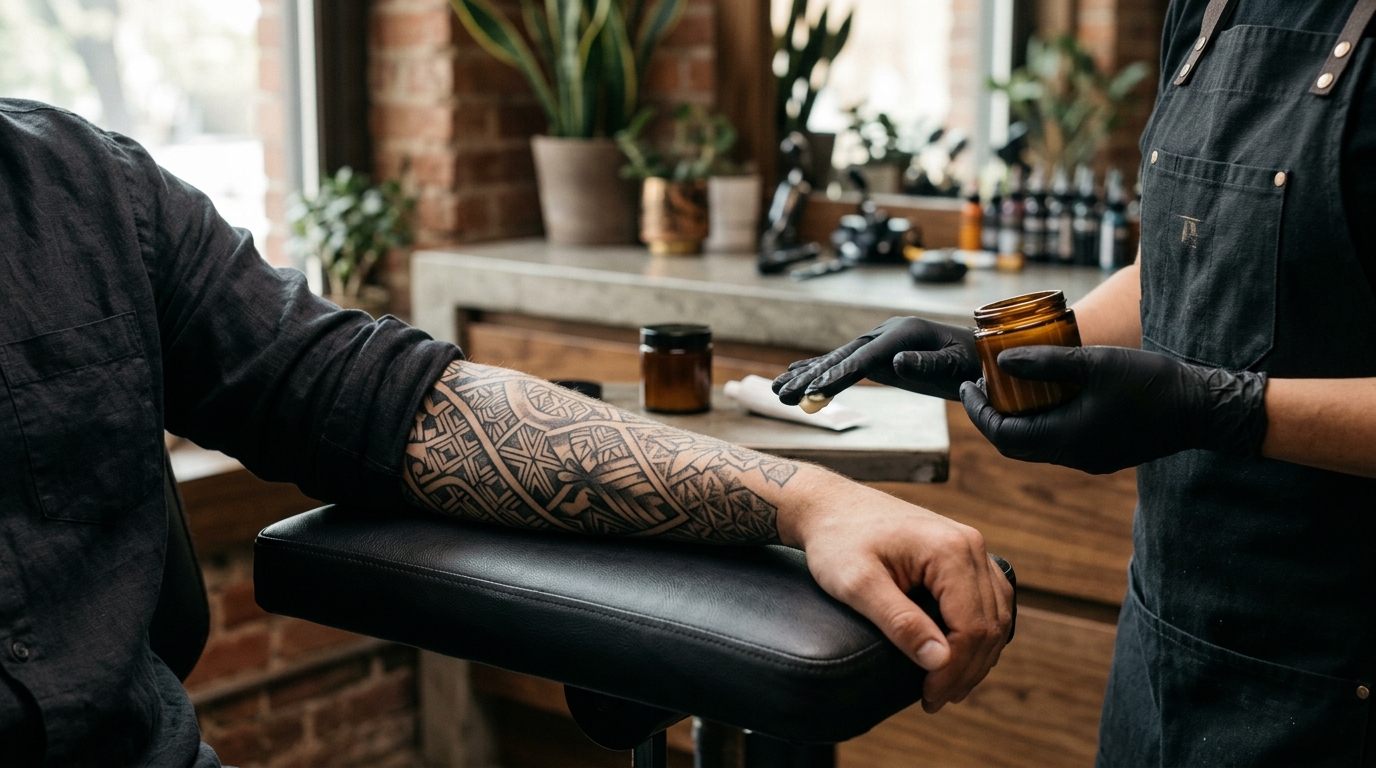
Managing discomfort during a tattoo session requires strategic preparation and proven topical interventions. Clinical data shows that approximately eighty percent of first-time clients report moderate to severe discomfort without proper numbing protocols. Modern topical anesthetics have evolved significantly to address this challenge safely. Artists and clients now rely on advanced formulations that block nerve signals effectively. Understanding the exact mechanics of these solutions ensures optimal comfort and faster healing. This guide breaks down the most reliable options available today.
Topical Cream Formulations
Topical creams remain the industry standard for numbing large surface areas. These products typically contain lidocaine or prilocaine as active ingredients. Standard cream formulations penetrate the epidermis to temporarily block sodium channels. This mechanism prevents pain signals from reaching the central nervous system. Clients should apply the product thickly and seal it with plastic wrap. The occlusion process dramatically increases absorption rates. Most professionals recommend leaving the cream on for sixty to ninety minutes before the needle touches the skin. Proper timing prevents skin irritation while maximizing comfort. Topical anesthetics are specialized topical compounds designed to temporarily block nerve conduction in the skin. Artists frequently recommend testing a small patch first to check for adverse reactions. Consistent application ensures uniform coverage across the target area.
Advanced Spray Delivery Systems
Spray-based numbing solutions offer a faster alternative to traditional creams. These systems utilize fine mist technology to distribute active ingredients evenly. Industry reports indicate that spray applications reduce preparation time by nearly forty percent. The aerosol format allows artists to reach intricate contours quickly. Users simply pump the nozzle and cover the target zone. The rapid evaporation leaves a concentrated active layer on the surface. This format works exceptionally well for smaller designs or touch-up sessions. Clients appreciate the reduced mess and faster onset of action. Topical anesthetics are specialized topical compounds designed to temporarily block nerve conduction in the skin. Proper ventilation remains essential during application to avoid inhalation of fine particles. Many studios now stock both cream and spray options for flexibility.
Triple-Active Compound Blends
Triple-actives combine multiple anesthetic agents for enhanced duration. These blends typically merge lidocaine, prilocaine, and tetracaine. Global health guidelines emphasize that combining agents reduces the risk of skin rejection. Each compound targets different nerve pathways simultaneously. This multi-layered approach extends the numbing window significantly. Artists often reserve these formulations for lengthy sessions or highly sensitive zones. The thicker consistency requires careful spreading to avoid pooling. Clients should follow exact dosage instructions to prevent overexposure. Topical anesthetics are specialized topical compounds designed to temporarily block nerve conduction in the skin. Proper storage prevents ingredient degradation and maintains potency. Many professionals prefer these blends for full-sleeve projects.
Post-Procedure Aftercare Integration
Effective pain management extends beyond the needle work. Post-procedure care directly impacts long-term comfort and healing speed. Dermatology associations report that improper aftercare increases inflammation by up to thirty percent. Specialized aftercare oils and balms restore moisture while reducing itching. These products often contain natural extracts that soothe irritated tissue. Artists recommend applying thin layers multiple times daily. Consistent hydration prevents scabbing and preserves color vibrancy. Clients should avoid harsh soaps or excessive sun exposure during recovery. Topical anesthetics are specialized topical compounds designed to temporarily block nerve conduction in the skin. Integrating aftercare with initial numbing creates a seamless comfort cycle. Many studios now bundle aftercare products with initial numbing kits.

Optimal Application Protocols
Correct application timing determines the success of any numbing strategy. Professionals universally recommend applying the product at least one hour before the session. This window allows full penetration into the dermal layer. Industry safety standards require that artists verify skin readiness before starting. Removing excess product before needle contact prevents ink dilution. Artists typically wipe the area with a sterile paper towel. This step ensures proper pigment adhesion and clean lines. Clients should avoid alcohol or caffeine before treatment to maintain consistent skin response. Topical anesthetics are specialized topical compounds designed to temporarily block nerve conduction in the skin. Following exact protocols minimizes discomfort and maximizes session efficiency. Consistent communication between artist and client ensures optimal results.
Safety and Regulatory Considerations
Regulatory compliance ensures that numbing products meet strict safety thresholds. Federal regulations mandate that all topical anesthetics undergo rigorous testing. Artists must verify ingredient concentrations before application. Overuse can lead to systemic toxicity or allergic reactions. Clients with heart conditions or pregnancy should consult a physician first. Reputable brands provide clear ingredient lists and usage guidelines. Verified product catalogs list exact concentrations and expiration dates. Always purchase from authorized retailers to avoid counterfeit formulations. Proper storage prevents chemical breakdown and maintains efficacy. Topical anesthetics are specialized topical compounds designed to temporarily block nerve conduction in the skin. Prioritizing safety ensures a comfortable and legally compliant experience.
Product Comparison Overview
| Product Type | Primary Active Ingredient | Best Use Case | Application Time | Availability |
|---|---|---|---|---|
| Standard Cream | Lidocaine | Large surface areas | 60 to 90 minutes | Shop Now |
| Delivery Spray | Prilocaine | Small designs | 30 to 45 minutes | Browse Options |
| Triple-Active Blend | Lidocaine, Prilocaine, Tetracaine | Full sleeves | 90 to 120 minutes | View Inventory |
| Aftercare Oil | Natural Extracts | Post-procedure healing | Continuous application | Explore Bundles |
| Wholesale Packs | Varied Formulations | Studio operations | Variable | Partner Portal |
Key Takeaways
- Topical creams remain the most widely used numbing solution for large tattoo sessions.
- Spray delivery systems reduce preparation time by nearly forty percent compared to traditional creams.
- Triple-actives combine lidocaine, prilocaine, and tetracaine for extended comfort during lengthy projects.
- Proper occlusion with plastic wrap increases cream absorption rates significantly.
- Post-procedure aftercare oils restore moisture and reduce inflammation by up to thirty percent.
- Regulatory compliance requires verified ingredient concentrations and authorized retail sourcing.
- Consulting a physician is mandatory for clients with cardiovascular conditions or pregnancy.
Frequently Asked Questions
How long does tattoo numbing cream typically last?
Most standard formulations provide effective coverage for sixty to ninety minutes. Artists often reapply or switch to spray systems for longer sessions. Proper occlusion extends the active window significantly.
Can numbing products affect tattoo ink absorption?
Excessive product left on the skin can dilute pigment and cause uneven lines. Artists always wipe the area thoroughly before beginning needle work. This step ensures clean ink deposition and sharp details.
Are spray numbing solutions safer than creams?
Both formats meet strict safety thresholds when used correctly. Sprays simply offer faster application and reduced mess. Clients should follow dosage guidelines to avoid overexposure.
What ingredients should I avoid in numbing products?
Products containing high concentrations of benzocaine or unlisted fillers may cause adverse reactions. Always verify ingredient lists against regulatory safety standards. Reputable brands provide transparent formulation details.
How do I prepare my skin before applying numbing solutions?
Cleanse the target area with mild soap and water. Exfoliate gently to remove dead skin cells. Dry the surface completely before applying the product. This process maximizes absorption and reduces irritation.
Is it safe to use numbing products on sensitive skin?
Performing a patch test twenty-four hours before the session is highly recommended. Sensitive skin may react to certain preservatives or active compounds. Consulting a dermatologist ensures safe product selection.
Do wholesale numbing packs offer better value for studios?
Bulk purchasing reduces per-unit costs and ensures consistent stock levels. Studios benefit from predictable pricing and reliable delivery schedules. Partner programs often include dedicated support and reporting tools.
Get Started Today
Choosing the right numbing solution transforms your tattoo experience from uncomfortable to completely manageable. Browse our complete product lineup and select the formulation that matches your session length and skin type. Shop the full collection now and take control of your comfort. Our team provides detailed usage guides and studio support for every order. Visit our main portal to explore bundles, aftercare essentials, and wholesale options. Your next session deserves professional-grade pain management.