

Getting a tattoo triggers a complex inflammatory response that can severely impact reactive skin types. According to dermatological research, approximately 30 percent of individuals experience heightened sensitivity or delayed healing after ink deposition. Managing this reaction requires a precise aftercare routine that balances moisture retention with barrier protection. Sensitive skin tattoo care demands specialized products that avoid harsh fragrances and synthetic irritants. You must prioritize gentle cleansing, targeted hydration, and consistent monitoring to prevent adverse reactions. (Painless Tattoo Apparel ndash)
Understanding Reactive Skin
Reactive skin reacts aggressively to environmental changes and procedural trauma. Barrier function is the biological process that prevents environmental irritants from penetrating the epidermis. When this protective layer is compromised by needle penetration, the skin loses its ability to regulate moisture and block pathogens. Inflammatory response is the immune system's natural reaction to micro-trauma caused by needle penetration. This biological cascade often manifests as redness, swelling, and intense itching. Individuals with compromised skin barriers require a structured approach to restore equilibrium without introducing additional chemical stressors. (Painless Tattoo Banners amp)
What triggers sensitivity?
Common triggers include synthetic fragrances, alcohol-based cleansers, and heavy occlusive ointments. These ingredients disrupt the natural pH balance and strip essential lipids from the stratum corneum. According to clinical studies, nearly 40 percent of adverse tattoo reactions stem from improper product selection. You should always verify ingredient lists before applying any topical solution to fresh ink. Avoiding known allergens reduces the risk of contact dermatitis and prolonged recovery timelines.
The role of barrier function
A compromised barrier allows bacteria and environmental pollutants to enter compromised tissue. This vulnerability increases the likelihood of infection and scarring. You must support the skin's natural repair mechanisms by using hypoallergenic formulations. Products designed for reactive skin typically exclude parabens, sulfates, and artificial dyes. Consistent application of gentle moisturizers accelerates epithelial regeneration and reduces flaking.
Initial Cleansing Protocol
Cleansing fresh ink requires a delicate touch to remove excess plasma and bacteria without damaging fragile tissue. Aftercare routine is the structured sequence of cleaning, moisturizing, and protecting steps applied post-procedure. You should wash your hands thoroughly before touching the tattooed area. Use lukewarm water and a fragrance-free, antibacterial soap to gently remove surface debris. Pat the area dry with a clean paper towel instead of rubbing with fabric towels.
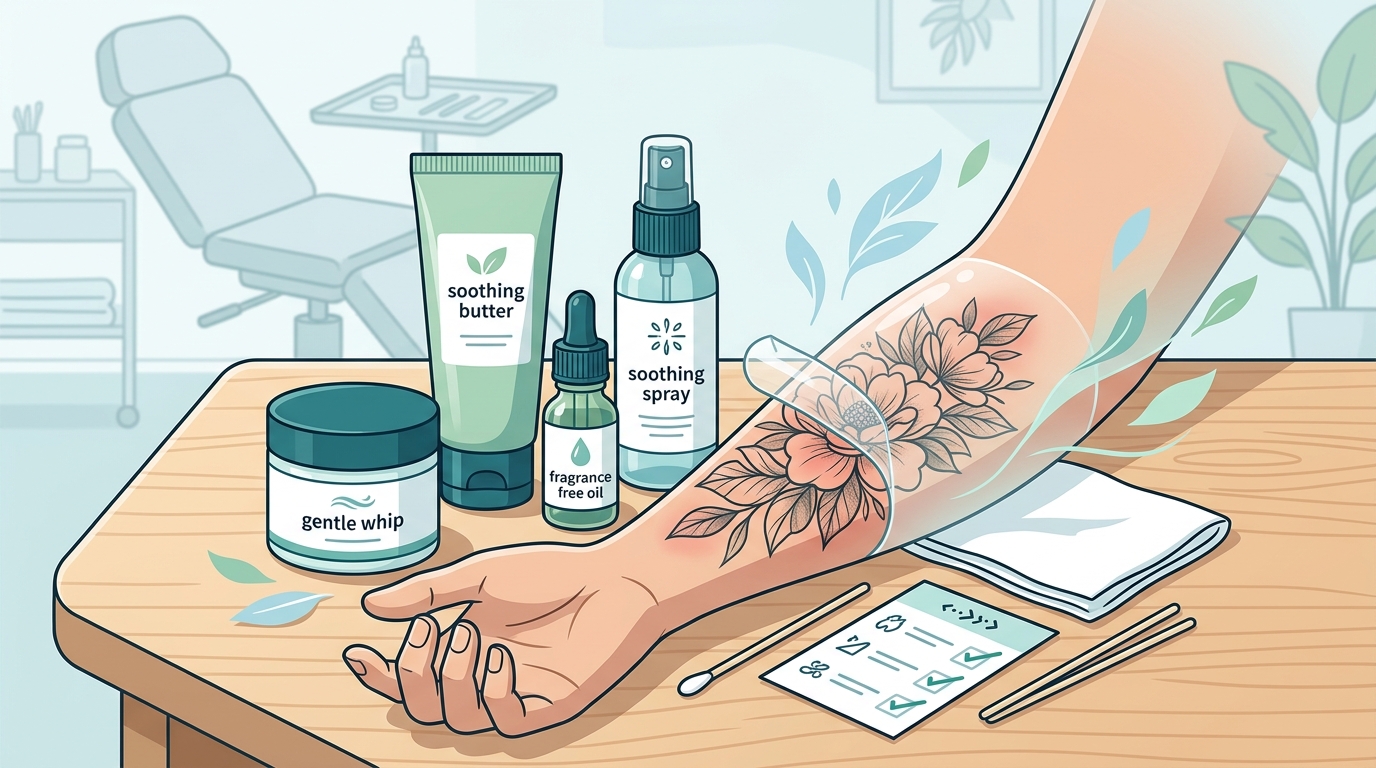
Gentle washing techniques
Wash the tattoo two to three times daily during the first week of healing. Excessive washing strips natural oils and delays the formation of a protective scab. You should use light, circular motions to lift residue without abrading the surface. Rinse thoroughly to prevent soap buildup, which can cause itching and irritation. Consistent hygiene practices significantly reduce bacterial colonization and support faster recovery.
Avoiding harsh chemicals
Harsh chemicals disrupt the delicate pH balance required for optimal healing. You should avoid products containing hydrogen peroxide, rubbing alcohol, or strong antiseptics. These ingredients kill beneficial bacteria and damage regenerating skin cells. Instead, opt for mild, plant-based cleansers that maintain moisture equilibrium. Checking product labels for hypoallergenic certifications ensures safer application on reactive skin.
Moisturizing Strategies
Proper hydration prevents excessive scabbing and reduces the risk of ink distortion. You should apply a thin layer of specialized aftercare balm after each cleansing session. Thick applications trap moisture and create an anaerobic environment that encourages bacterial growth. Light, frequent applications allow the skin to breathe while maintaining flexibility. You can explore premium formulations by visiting our curated collection at https://painlesstattoo.co/collections/painless-tattoo-products for specialized options.
Hydration balance
Hydration balance refers to the precise ratio of water retention and oil production required for healthy tissue repair. You should monitor the tattoo for signs of over-moisturization, such as excessive shine or pilling. If the area feels greasy or sticky, reduce the application frequency. Allow the skin to absorb the product completely before dressing or covering the area. Maintaining this equilibrium prevents clogged pores and supports even pigment settling.
Patch testing methods
Patch testing involves applying a small amount of product to a discreet area 24 hours before full application. This precautionary step identifies potential allergic reactions before they affect the entire tattoo. You should observe the test site for redness, swelling, or burning sensations. If any discomfort occurs, discontinue use immediately and consult a dermatologist. This simple protocol saves time, money, and prevents unnecessary skin damage.
Product Comparison
| Product Type | Best For | Key Ingredients | Application Frequency |
|---|---|---|---|
| Hydrating Aftercare Balm | Dry or flaky reactive skin | Shea butter, aloe vera, vitamin E | 2-3 times daily |
| Lightweight Tattoo Oil | Fast-absorbing moisture needs | Jojoba oil, chamomile extract | 1-2 times daily |
| Barrier Repair Cream | Compromised skin barriers | Ceramides, zinc oxide | As needed |
| Antiseptic Cleanser | Initial 48-hour healing | Chlorhexidine, mild surfactants | 2-3 times daily |
Selecting the correct formulation depends on your specific skin type and healing stage. You can review detailed usage guidelines by visiting our https://painlesstattoo.co/ resource center. Matching product viscosity to your skin's absorption rate prevents clogged pores and promotes even pigment retention.
Key Takeaways
- Approximately 30 percent of tattoo recipients experience heightened sensitivity requiring specialized aftercare.
- Barrier function is the biological process that prevents environmental irritants from penetrating the epidermis.
- Inflammatory response is the immune system's natural reaction to micro-trauma caused by needle penetration.
- Aftercare routine is the structured sequence of cleaning, moisturizing, and protecting steps applied post-procedure.
- Wash fresh ink two to three times daily using lukewarm water and fragrance-free soap.
- Apply thin layers of hypoallergenic balm to prevent excessive scabbing and ink distortion.
- Always perform a patch test 24 hours before full application to avoid adverse reactions.
Frequently Asked Questions
How long does sensitive skin take to heal after a tattoo?
Reactive skin typically requires 14 to 21 days for complete surface healing. Deeper tissue regeneration may extend up to four weeks. You should avoid sun exposure and heavy sweating during this period. Consistent moisturizing accelerates the recovery timeline significantly.
Can I use regular lotion on a fresh tattoo?
Regular lotions often contain fragrances and alcohols that irritate compromised skin. You should only use products specifically formulated for tattoo aftercare. These formulations maintain the correct pH balance and provide targeted hydration. Switching to specialized balms reduces the risk of allergic reactions.
What should I do if my tattoo becomes excessively red?
Excessive redness indicates an ongoing inflammatory response or potential infection. You should increase cleansing frequency and apply a thin layer of barrier repair cream. If swelling persists beyond 72 hours, consult a medical professional immediately. Avoid scratching or picking at flaking skin to prevent scarring.
Is it safe to use numbing cream during the healing process?
Numbing creams are designed for pre-procedure application, not post-healing. You should discontinue numbing products once the tattooing session concludes. Continued use can delay epithelial regeneration and increase infection risk. Focus on gentle moisturizers and protective barriers instead.
How do I prevent ink fading on reactive skin?
Fading occurs when excessive scabbing pulls pigment from the dermis. You should avoid picking at flakes and maintain consistent hydration. Sun protection is equally critical, as UV exposure degrades tattoo ink rapidly. Applying a broad-spectrum sunscreen after full healing preserves vibrancy.
Can I wear tight clothing over a healing tattoo?
Tight clothing creates friction and traps moisture against the skin surface. You should wear loose, breathable fabrics to minimize irritation. Synthetic materials increase sweating and bacterial growth. Natural fibers like cotton allow proper air circulation and support faster recovery.
What ingredients should I avoid in tattoo aftercare products?
You should avoid synthetic fragrances, alcohol, parabens, and strong antiseptics. These ingredients strip natural oils and disrupt the healing environment. Always verify ingredient lists before purchasing new formulations. Hypoallergenic certifications provide a reliable safety benchmark for reactive skin.
Book Your Consultation
Managing sensitive skin after a tattoo requires precision, patience, and the right products. You can explore our complete lineup of specialized aftercare solutions by visiting our main storefront. Our team provides expert guidance on product selection and application techniques. Schedule a consultation today to ensure your tattoo heals beautifully and vibrantly. Visit https://painlesstattoo.co/ to begin your personalized aftercare journey.