
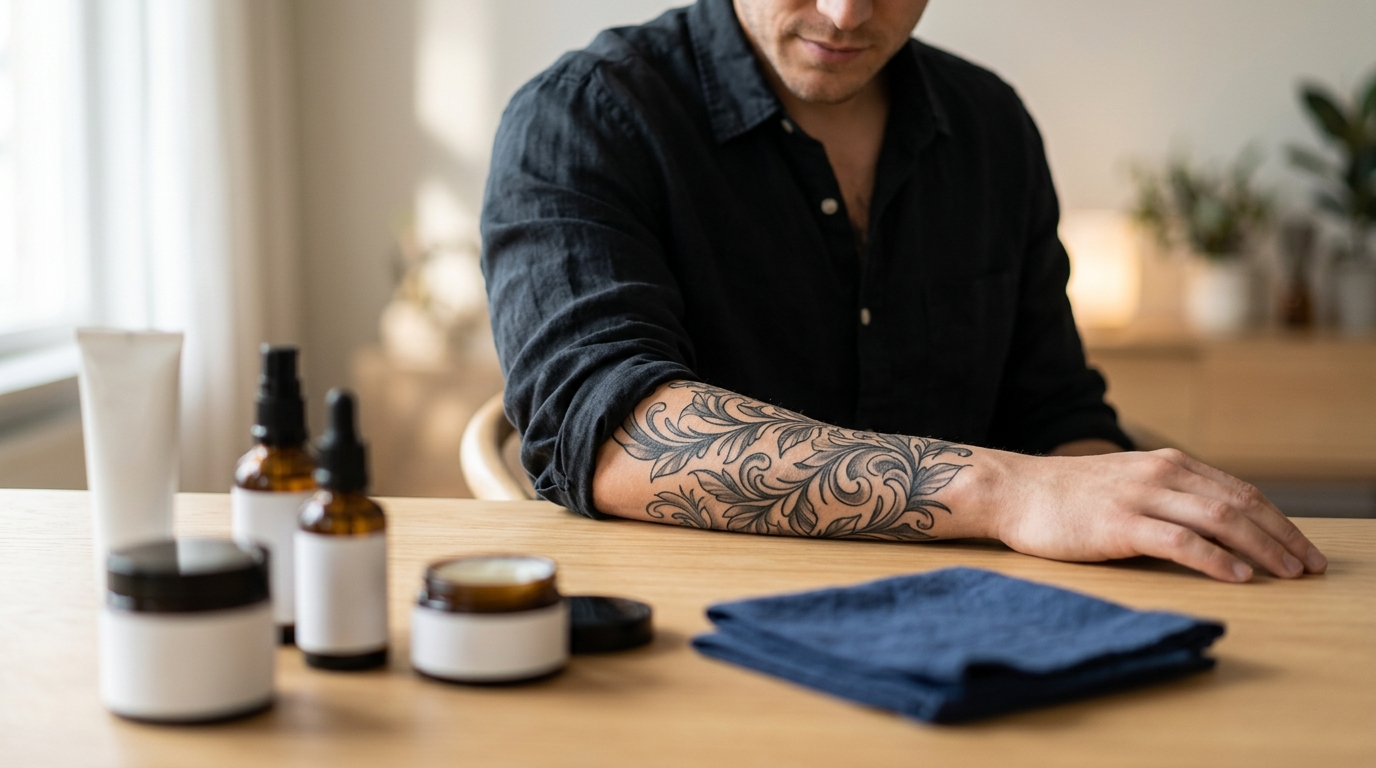
Tattoo aftercare is not merely about keeping the ink visible; it is a biological process that dictates the longevity and clarity of your art. According to recent dermatological studies on wound healing, proper topical intervention can reduce the initial inflammation phase by up to 40 percent compared to untreated skin. This reduction in redness and swelling directly correlates with faster re-epithelialization, allowing the skin to return to its normal state more quickly. Choosing the right products from the start prevents complications like scabbing, fading, and infection, ensuring your tattoo heals cleanly and vibrantly.
Understanding the Phases of Tattoo Healing
To select the correct products, you must first understand what is happening beneath the surface. Tattooing is essentially a controlled injury. The skin responds by initiating an inflammatory response, which causes the redness and swelling you see immediately after the session. This phase typically lasts for the first three to five days. During this time, the body sends white blood cells to the area to protect against infection and begin the repair process.
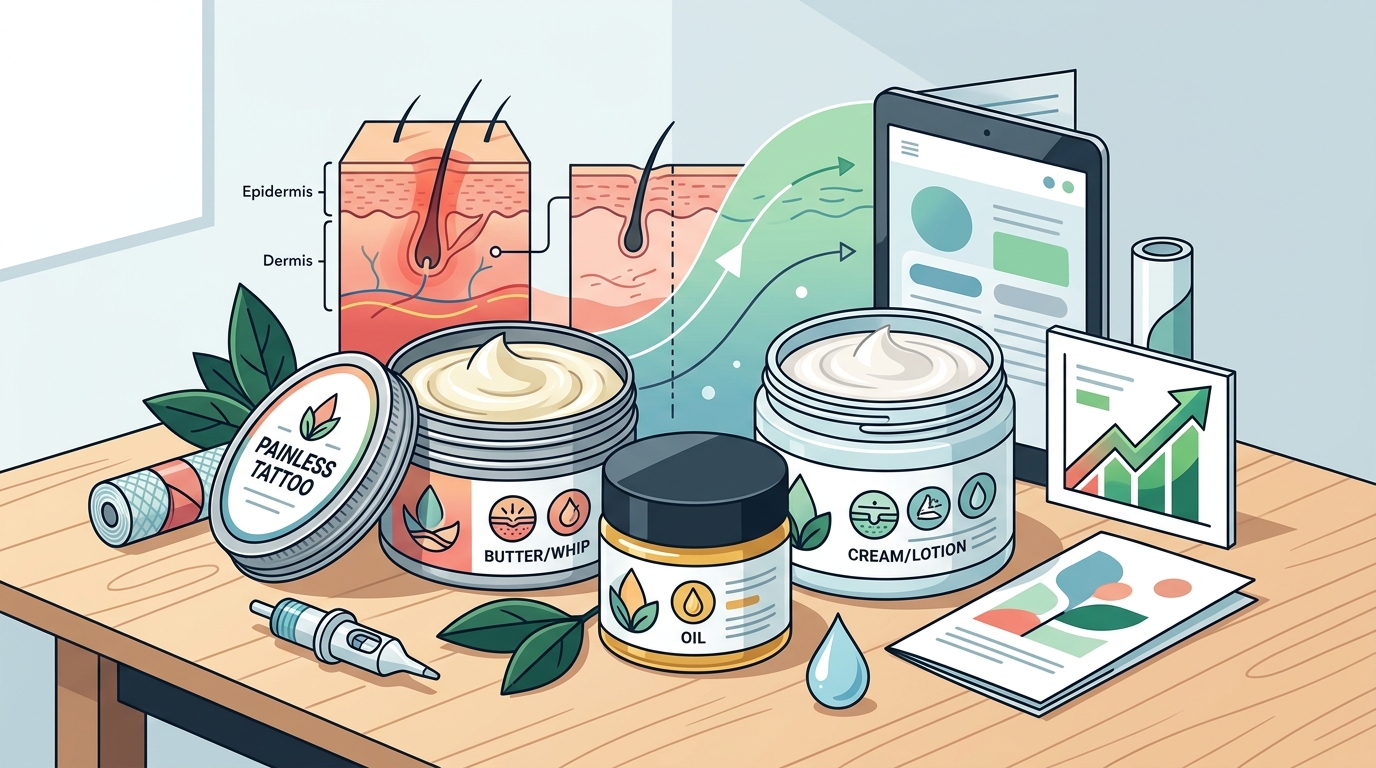
The second phase involves peeling and flaking, which usually occurs between days five and fourteen. This is when the outer layer of skin, known as the epidermis, sheds the damaged cells. If you pick at these flakes, you risk pulling out ink and causing scarring. The final phase is deep tissue remodeling, which can take up to six months. During this period, the dermis continues to heal and stabilize the pigment. Using products that support each of these stages is critical for minimizing downtime and ensuring a crisp final result.
Top Numbing Products for Immediate Relief
While numbing creams are primarily used before the tattooing process, their residual effects and the products used to manage post-procedure sensitivity play a huge role in the initial healing speed. Reducing the initial trauma response helps the body focus energy on repair rather than inflammation management. Painless Tattoo Numbing Cream is a leading choice for artists and clients seeking to minimize discomfort. By reducing the pain signals during the procedure, the skin experiences less shock, which can lead to a calmer inflammatory response afterward.
For those who experience lingering sensitivity or need to manage the initial redness, the Painless Tattoo Numbing Spray offers a fast-acting alternative. Sprays are often preferred for their ease of application and quick absorption. They do not leave a greasy residue, which is important when you are trying to keep the area clean and dry. The cooling effect of these sprays helps constrict blood vessels temporarily, reducing the appearance of redness and soothing the stinging sensation that often accompanies the first 24 hours of healing.
Another powerful option is the BLT Triple Numb product line. This formulation is designed to penetrate deeper into the skin layers, providing a more comprehensive numbing effect. For individuals with lower pain thresholds or those getting larger pieces, this level of comfort can significantly reduce the stress response in the body. Lower stress levels mean lower cortisol production, which indirectly supports faster wound healing by preventing the body from entering a prolonged state of alert.
Essential Aftercare Products for Redness Reduction
Once the initial numbing phase has passed, the focus shifts to hydration and protection. The skin needs a balanced environment to regenerate. Over-drying leads to excessive scabbing, while over-moisturizing can clog pores and trap bacteria. Alpha Tattoo Oil is a specialized product designed to provide this balance. It is formulated with natural ingredients that mimic the skin's natural sebum, allowing it to absorb quickly without leaving a heavy film. This oil helps to soften the skin during the peeling phase, reducing the urge to scratch and preventing the skin from cracking.
For a more intensive healing experience, Alpha Tattoo Butter offers a richer consistency. This balm is ideal for very dry skin types or for tattoos in areas that tend to crack, such as the elbows or knees. The butter creates a protective barrier that locks in moisture while still allowing the skin to breathe. This barrier is crucial for protecting the fresh tattoo from environmental irritants that can prolong redness and delay healing.
The Alpha Tattoo Whip provides a lightweight, airy alternative for those who find traditional balms too heavy. It is particularly effective for larger tattoos where applying a thick layer of product is impractical. The whip texture allows for even distribution over a wide area, ensuring that every part of the tattoo receives adequate hydration. Consistent hydration is the single most important factor in reducing redness, as hydrated skin heals faster and looks healthier throughout the process.
Product Comparison: Creams vs. Sprays vs. Balms
Choosing the right product depends on your skin type, the location of the tattoo, and your personal preference. Below is a comparison of the primary product types available for tattoo aftercare.
| Product Type | Best For | Key Benefit | Application Style |
|---|---|---|---|
| Numbing Cream | Pre-procedure comfort | Deep penetration for pain reduction | Thick layer, covered |
| Numbing Spray | Quick relief & touch-ups | Fast absorption, no mess | Mist evenly |
| Alpha Tattoo Oil | Daily maintenance | Lightweight hydration, non-greasy | Thin layer, massage |
| Alpha Tattoo Butter | Dry/cracking skin | Intensive moisture barrier | Apply generously |
| Alpha Tattoo Whip | Large surface areas | Easy spreadability | Whip into skin |
Each of these products serves a specific purpose in the healing timeline. Using them in combination, as directed by your artist, can optimize the healing process. For example, you might use the numbing spray for immediate post-session relief, followed by the tattoo oil for daily maintenance during the peeling phase. This strategic approach ensures that the skin receives the exact type of support it needs at each stage.
Key Takeaways for Faster Healing
- Hydration is Critical: Keeping the tattoo moist prevents excessive scabbing, which is the primary cause of ink loss and prolonged redness.
- Reduce Initial Trauma: Using effective numbing products like Painless Tattoo Numbing Cream can minimize the body's inflammatory response from the start.
- Avoid Picking: Picking at scabs or flakes can restart the healing clock and lead to scarring. Use balms to keep the skin soft and reduce itching.
- Choose the Right Consistency: Use oils for daily maintenance and butters for dry or cracked areas to ensure optimal absorption.
- Consistency Matters: Apply aftercare products 2-3 times daily. Inconsistent application can lead to uneven healing and patchy color.
- Protect from Sun: UV exposure can cause immediate redness and long-term fading. Keep the tattoo covered or use sunscreen only after it is fully healed.
- Monitor for Infection: While redness is normal, excessive heat, pus, or spreading redness requires immediate medical attention.
Frequently Asked Questions
How long does tattoo redness typically last?
Initial redness and swelling usually subside within three to five days. However, mild redness can persist for up to two weeks, especially in sensitive areas or for larger tattoos. If redness persists beyond two weeks or worsens, consult a healthcare professional.
Can I use regular lotion on my new tattoo?
It is generally recommended to avoid regular lotions in the first two weeks. Regular lotions often contain fragrances and chemicals that can irritate open wounds. Specialized tattoo aftercare products like Alpha Tattoo Oil are formulated specifically for this delicate stage of healing.
What is the fastest way to reduce tattoo swelling?
Applying a cold compress for short intervals can help reduce swelling. Additionally, using a numbing spray like Painless Tattoo Numbing Spray can provide immediate cooling relief. Keeping the tattoo elevated above heart level, if possible, also helps drain excess fluid.
Is it normal for my tattoo to feel hot?
Mild warmth is normal during the first few days as part of the inflammatory response. However, if the area feels hot to the touch, is increasingly painful, or has a foul odor, it may be a sign of infection. Seek medical advice immediately if you suspect an infection.
How often should I apply aftercare products?
Apply aftercare products 2-3 times daily. The goal is to keep the tattoo moist but not soggy. If the product is not absorbing, you may be applying too much. A thin, even layer is sufficient to support healing.
Can I use BLT Triple Numb for aftercare?
BLT Triple Numb is primarily designed for pre-procedure numbing. While it can provide relief, it is not formulated for the specific hydration needs of healing skin. It is best to switch to dedicated aftercare products like Alpha Tattoo Butter once the initial numbing period is over.
What ingredients should I avoid in tattoo aftercare?
Avoid products containing alcohol, fragrances, and harsh preservatives. These ingredients can dry out the skin and cause irritation, delaying the healing process. Stick to products with natural, soothing ingredients like aloe vera, vitamin E, and plant-based oils.
Start Your Healing Journey
Proper aftercare is the difference between a dull, scarred tattoo and a vibrant, long-lasting piece of art. By choosing the right products and following a consistent care routine, you can significantly reduce redness and speed up the healing process. Explore the full range of Painless Tattoo Products to find the perfect solution for your skin type and tattoo needs. Visit our home page to learn more about our commitment to quality and customer satisfaction.