
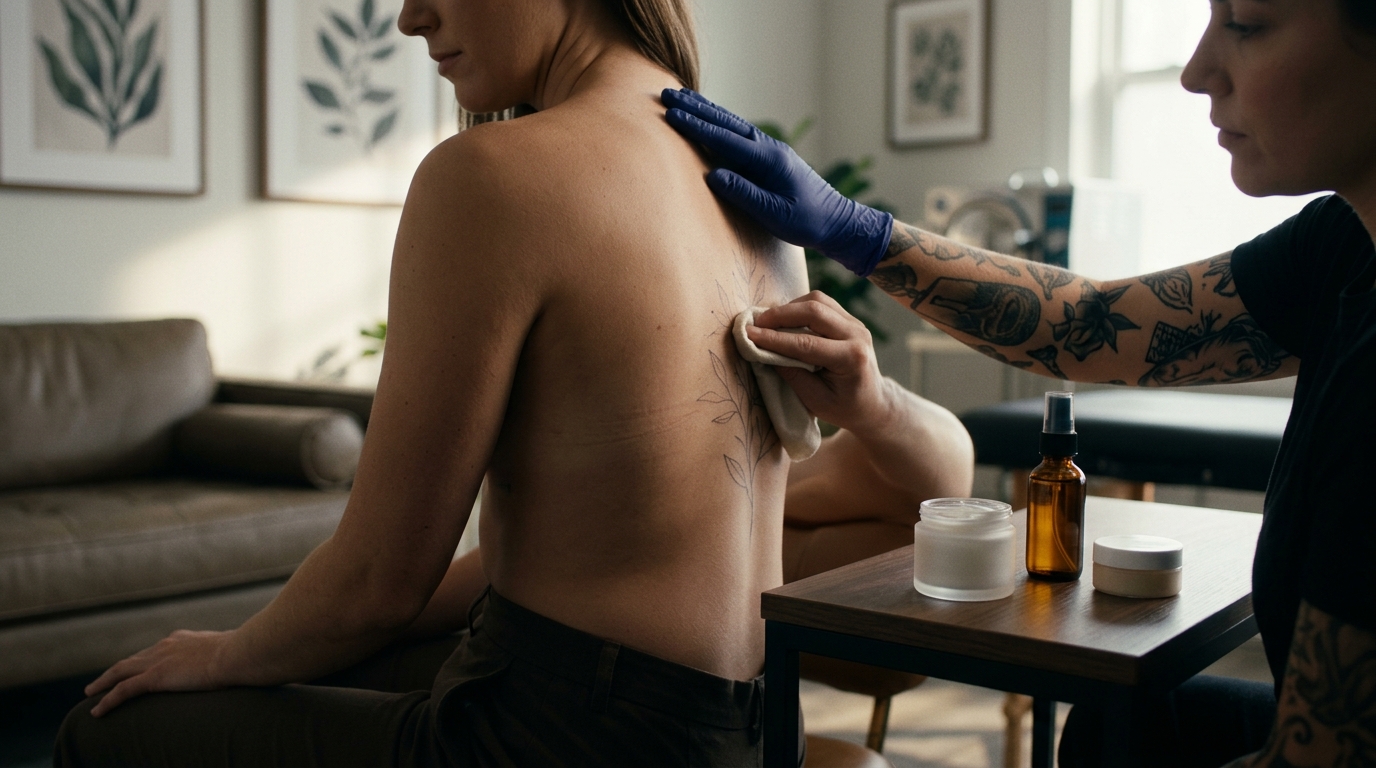
Tattooing the rib cage and spine is widely considered one of the most intense experiences in body art. According to industry data from the American Academy of Dermatology, these areas have thin skin and minimal fat padding, which places nerve endings directly against the bone. This anatomical reality means that pain levels can spike significantly compared to fleshy areas like the upper arm or thigh. However, with the right preparation and professional-grade numbing solutions, you can manage the discomfort effectively and achieve the tattoo you want.
Understanding the Pain
Before you book your appointment, it is crucial to understand why these areas hurt more. Spine tattoos involve the needle vibrating directly over the vertebrae. The skin here is tight, and the lack of cushioning means every pulse of the machine is felt deeply. Similarly, the rib cage area has very little subcutaneous fat. When the needle hits the bone, the sensation is often described as a sharp, vibrating pressure rather than a simple sting.
Many first-timers underestimate this intensity. The pain is not just physical; it is also psychological. Knowing that you are about to be tattooed over sensitive areas can cause anxiety, which heightens pain perception. Understanding this dynamic is the first step in managing it. You are not alone in this experience. Thousands of clients navigate this discomfort daily by using proven strategies and high-quality numbing agents.
Choosing the Right Numbing Products
The most effective way to reduce pain during a rib or spine tattoo is to use a professional-grade topical anesthetic. Over-the-counter creams often fail because they do not penetrate deep enough or contain insufficient concentrations of active ingredients. You need a product designed specifically for the high-intensity nature of these areas.
Why Standard Creams Fail
Generic numbing creams found in drugstores are typically formulated for minor skin irritations or sunburns. They lack the potency required to numb the dense nerve clusters found along the spine and ribs. Using these weak products can lead to a frustrating session where the numbing wears off halfway through, leaving you in significant pain.
The Painless Tattoo Advantage
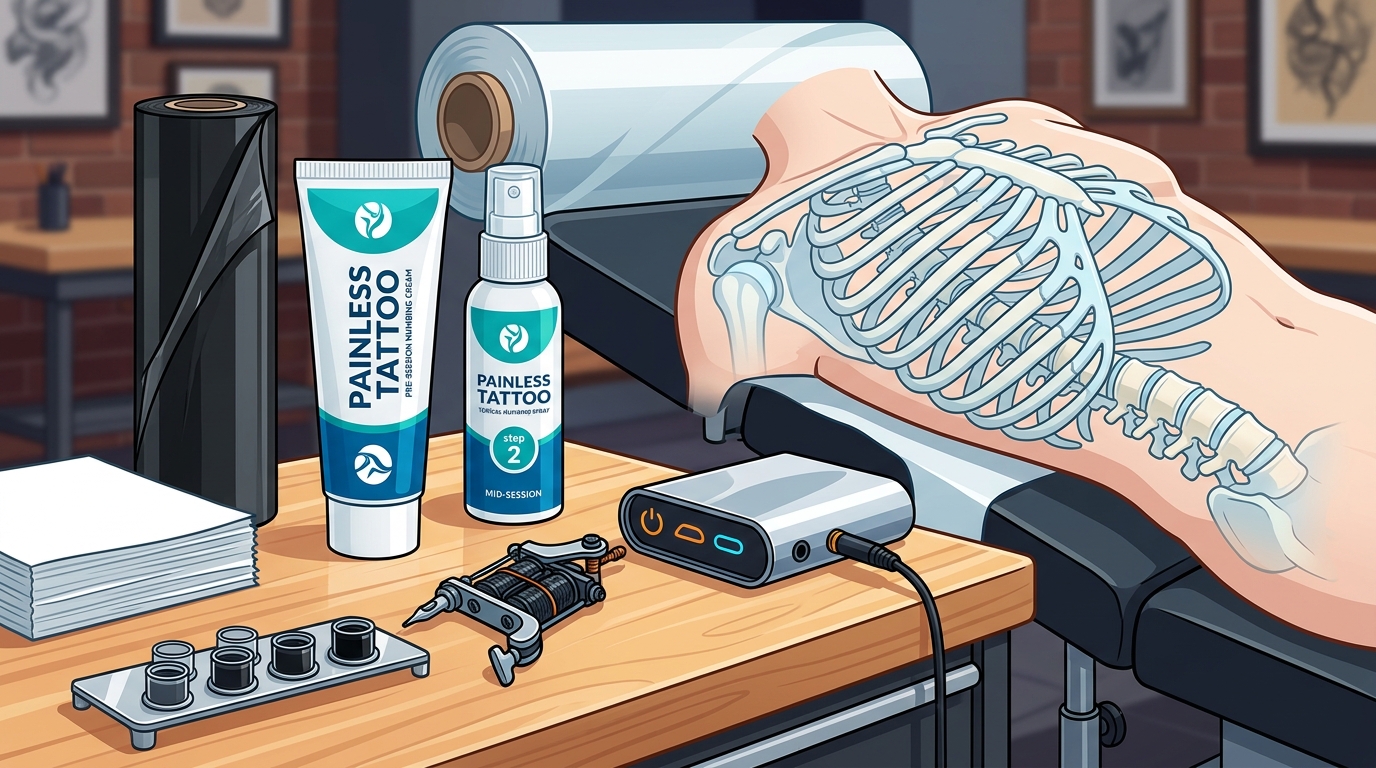
For serious tattooing, you need a product like the Painless Tattoo Numbing Cream. This product is formulated with high-strength lidocaine and tetracaine to penetrate the epidermis and dermis effectively. It creates a temporary barrier that blocks pain signals from reaching the brain. For even stronger results, consider the Painless Tattoo Numbing Spray, which allows for faster absorption and easier application on large areas like the spine.
Another option is the BLT Triple Numb combination. This approach layers different numbing agents to target pain receptors at various depths. This method is particularly effective for the rib cage, where the bone proximity requires deeper numbing.
Preparation Tips
Proper preparation is just as important as the numbing product itself. Your body's state of mind and physical condition play a huge role in how you perceive pain.
Hydration and Nutrition
Do not tattoo on an empty stomach. Low blood sugar can make you feel dizzy, nauseous, and more sensitive to pain. Eat a heavy, balanced meal two hours before your appointment. Include complex carbohydrates and protein to sustain your energy levels. Hydration is also critical. Well-hydrated skin absorbs numbing cream more effectively and heals faster.
Mental Preparation
Anxiety tightens muscles, which makes tattooing more painful and difficult for the artist. Practice deep breathing exercises before and during the session. Focus on exhaling slowly as the needle approaches sensitive spots. This technique helps relax the skin and reduces the tension that amplifies pain.
Apply Numbing Cream Correctly
Timing is everything. Apply your numbing cream at least 60 to 90 minutes before the artist begins. Cover the area with plastic wrap to enhance absorption through occlusion. Do not remove the wrap until you are in the chair. This ensures the active ingredients have fully penetrated the skin layers.
During the Session
Once you are in the tattoo chair, communication with your artist is key. Let them know if the numbing is wearing off. Most professional artists are experienced in working with numbed skin and can adjust their technique accordingly.
Take breaks when needed. The spine and rib cage are not areas where you can push through extreme pain without affecting your body's response. Short breaks allow the numbing agent to reset and give your nervous system a moment to recover. Use the Painless Tattoo Combo kits to have backup supplies on hand if you plan to do touch-ups or have multiple sessions.
Positioning Matters
Comfortable positioning helps reduce muscle tension. If you are getting a spine tattoo, lying on your stomach with proper pillow support is essential. For rib tattoos, ensure your breathing is not restricted by the table or your clothing. Discomfort from poor positioning can compound the tattoo pain.
Aftercare and Healing
The pain does not stop when the tattoo is finished. The healing process for rib and spine tattoos can be intense due to the constant movement of the torso. Proper aftercare minimizes inflammation and speeds up healing.
Use Alpha Tattoo Oil or Alpha Tattoo Butter to keep the area moisturized. Dry skin itches and cracks, which can be painful and damage the tattoo. Avoid tight clothing that rubs against the fresh ink. Sleep on your back or use extra pillows to avoid putting pressure on the tattooed area.
Monitor for Infection
Keep the area clean and dry. If you notice excessive redness, swelling, or pus, consult a medical professional immediately. Infection increases pain and can ruin your tattoo. Follow the aftercare instructions provided by your artist and the Painless Tattoo Aftercare Guide for best results.
Key Takeaways
- Anatomical Sensitivity: Rib and spine tattoos hurt more because the skin is thin and close to the bone, exposing nerve endings directly.
- Professional Numbing: Standard creams are insufficient. Use high-strength products like Painless Tattoo Numbing Cream for effective pain management.
- Preparation is Key: Eat a heavy meal and hydrate well before your appointment to maintain blood sugar and skin elasticity.
- Application Timing: Apply numbing cream 60-90 minutes prior and use plastic wrap for occlusion to maximize absorption.
- Communication: Inform your artist if the numbing wears off so they can adjust their technique or take breaks.
- Aftercare: Use Alpha Tattoo Oil to prevent itching and cracking during the healing process.
- Breaks are Necessary: Do not push through extreme pain. Short breaks help reset your nervous system and the numbing effect.
Frequently Asked Questions
How long does numbing cream last for a spine tattoo?
Most professional numbing creams last between 2 to 4 hours. For longer sessions, you may need to reapply or use a spray for touch-ups. The Painless Tattoo Numbing Spray is often preferred for quick reapplication during long sessions.
Is it better to get a rib or spine tattoo first?
This depends on your pain tolerance and the size of the design. Spine tattoos often involve longer, continuous lines, which can be more exhausting. Rib tattoos can be more intense in short bursts due to the bone proximity. Many clients start with smaller rib pieces to gauge their tolerance.
Can I drink alcohol before my tattoo?
No. Alcohol thins your blood and increases bleeding, which can wash out the ink and make the numbing cream less effective. It also impairs your judgment and pain perception. Avoid alcohol for at least 24 hours before your appointment.
What is the most painful part of the spine to tattoo?
The lower spine and the neck area are often cited as the most painful. The skin is thinnest here, and the proximity to the spinal cord can amplify the sensation. Use extra numbing cream in these specific areas.
How do I sleep with a new rib tattoo?
Sleeping on your back is ideal. If you must side sleep, use a donut pillow or extra pillows to keep pressure off the tattooed area. This prevents friction and pain while you heal.
Does BLT Triple Numb work better than regular cream?
BLT Triple Numb combines multiple active ingredients to target different pain receptors. It is generally more effective for high-pain areas like the ribs and spine than single-ingredient creams. Check the BLT Triple Numb product page for detailed usage instructions.
How long does it take for a rib tattoo to heal?
Surface healing takes about 2 weeks, but full healing underneath can take 4 to 6 weeks. During this time, the area may itch and peel. Keep it moisturized with Alpha Tattoo Butter to reduce discomfort.
Get Your Painless Kit
Do not let fear of pain stop you from getting the tattoo you deserve. With the right preparation and the Painless Tattoo Combo, you can manage the discomfort and enjoy the process. Visit our Shop Now page to order your professional numbing solutions today. Your journey to a painless tattoo starts here.