

Managing a fresh tattoo when you have sensitive skin requires a shift in strategy. Standard aftercare advice often relies on heavy ointments that can clog pores or irritate reactive dermal layers. According to the American Academy of Dermatology, individuals with sensitive skin are more prone to contact dermatitis and allergic reactions from topical products, making ingredient selection critical for healing. This guide outlines a precise, low-irritation protocol to protect your art while minimizing inflammation.
Understanding Skin Reactivity
Sensitive skin is characterized by a compromised barrier function. This means the outermost layer of your epidermis does not retain moisture effectively and allows irritants to penetrate deeper than usual. When a tattoo is created, thousands of micro-wounds are inflicted upon this barrier. For sensitive individuals, the healing process is not just about closing the wound but also about calming the immune response.
Standard tattoo aftercare often involves petroleum-based products like Vaseline. While effective for wound closure, these occlusive agents can trap heat and bacteria, leading to folliculitis or acne-like breakouts in sensitive zones. The goal is to find a balance between hydration and breathability. You need products that support cellular regeneration without suffocating the skin.
Many artists recommend switching to fragrance-free, dye-free alternatives immediately. The Painless Tattoo Products collection offers specialized options designed to reduce this risk. By understanding your skin type, you can prevent the redness and itching that often plague sensitive skin during the peeling phase.
The Initial Cleaning Phase
The first 24 hours are critical. Your artist will have covered the tattoo with a bandage or wrap. Once you remove this initial covering, you must clean the area gently. Do not use hot water, as heat increases blood flow and inflammation. Lukewarm water is the standard for sensitive skin care.
Use a mild, antibacterial soap that is free of harsh exfoliants. Scrubbing the tattoo is a common mistake. Instead, use your clean hands to gently lather the soap and rinse. Pat the area dry with a clean, white paper towel. Cloth towels can harbor bacteria and fibers that may stick to the fresh ink, causing irritation.
If you experience immediate stinging or burning after washing, it may indicate a reaction to the soap or the ink itself. In such cases, rinse with cool water and apply a thin layer of a soothing agent. The PT Apparel brand often provides resources on maintaining hygiene without compromising the integrity of the healing skin.
The Moisturizing Strategy
Moisturizing is not optional for sensitive skin. Dry, tight skin will crack, leading to ink loss and scarring. However, over-moisturizing is equally dangerous. It creates a breeding ground for bacteria and prevents the skin from breathing.
Apply a pea-sized amount of ointment or lotion for the entire tattoo, not just the center. Rub it in gently until it is fully absorbed. If the skin looks shiny or feels greasy, you have applied too much. Wipe off the excess with a clean paper towel.
Frequency of application should be two to three times a day. Consistency is more important than volume. As the tattoo enters the peeling stage, usually around day four, you may need to switch from an ointment to a lighter lotion. The Painless Tattoo Products line includes Alpha Tattoo Oil, which is formulated to be lightweight and non-comedogenic, making it ideal for sensitive dermal layers.
Product Selection Guide
Choosing the right product can make or break your healing process. Below is a comparison of common aftercare options for sensitive skin.
| Product Type | Best For | Risk for Sensitive Skin | Recommendation |
|---|---|---|---|
| Petroleum Jelly | Extreme dryness | High (Traps heat/bacteria) | Avoid |
| Fragrance-Free Lotion | Daily maintenance | Low | Recommended |
| Specialized Tattoo Oils | Deep hydration | Medium (Check ingredients) | Use with caution |
| Antibacterial Ointments | First 48 hours | Medium (Can cause breakouts) | Short-term use only |
When selecting a product, always check the ingredient list. Avoid products containing alcohol, parabens, or synthetic fragrances. These are known irritants that can trigger contact dermatitis. The Alpha Tattoo Butter is another option that provides deep nourishment without heavy occlusion, suitable for those who find lotions too thin but ointments too thick.
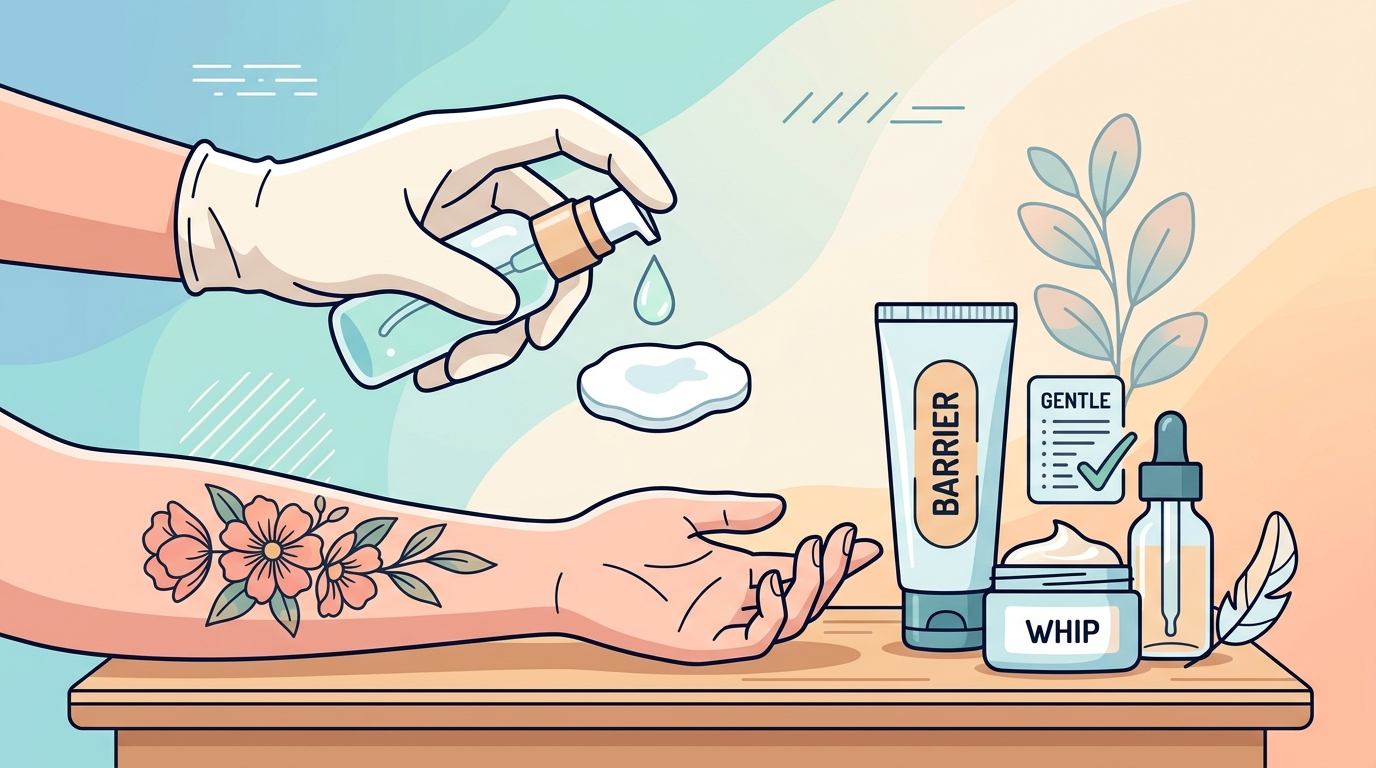
Warning Signs to Watch
Sensitive skin is more reactive to environmental changes and product ingredients. It is important to distinguish between normal healing symptoms and signs of infection or severe allergic reaction.
Normal healing includes itching, slight redness, and peeling. These symptoms should subside within a week. If redness persists beyond three days or spreads beyond the tattoo lines, it may indicate an infection. Consult your artist or a dermatologist immediately.
Swelling is common in the first 48 hours. However, if swelling increases after the first day or is accompanied by heat, seek medical attention. The Aftercare Directions page on our site provides detailed timelines for what to expect during each stage of healing.
Key Takeaways
- Sensitive skin requires fragrance-free, dye-free products to prevent contact dermatitis.
- Avoid petroleum-based ointments as they can trap heat and bacteria against the skin.
- Wash the tattoo with lukewarm water and mild, antibacterial soap using clean hands.
- Apply moisturizer in thin layers to avoid suffocating the healing skin.
- Switch to lighter lotions once the tattoo begins to peel, typically after day four.
- Monitor for spreading redness or increased swelling, which are signs of infection.
- Consider specialized products like Alpha Tattoo Oil for balanced hydration.
Frequently Asked Questions
Can I use regular lotion on a new tattoo?
Only if it is fragrance-free and dye-free. Regular lotions often contain alcohols and preservatives that can sting and irritate sensitive skin, leading to prolonged healing times.
How long does sensitive skin take to heal from a tattoo?
The initial healing phase takes about two weeks, but complete healing can take up to four months. Sensitive skin may experience prolonged redness or itching during the first week.
What should I do if my tattoo itches excessively?
Do not scratch. Apply a thin layer of moisturizer or a cool compress. Scratching can remove ink and introduce bacteria, causing scarring.
Is it safe to use natural oils on sensitive skin?
Some natural oils are safe, but others can be allergens. Always patch test a small amount of oil on your inner arm before applying it to the tattooed area.
Can I go swimming with a new tattoo?
No. You should avoid submerging your tattoo in water for at least two weeks. Pools, hot tubs, and oceans contain bacteria and chemicals that can irritate sensitive skin and cause infection.
What is the best soap for tattoo aftercare?
A mild, antibacterial soap without added fragrances or exfoliants is best. Brands like Dial Gold or unscented Dove are commonly recommended by artists.
How do I know if I am having an allergic reaction to the ink?
Signs include intense itching, raised bumps, and redness that spreads beyond the tattoo lines. If you suspect an allergic reaction, consult a dermatologist immediately.
Next Steps
Proper aftercare is the final step in the tattooing process. Neglecting it can ruin the art you invested in. For sensitive skin, patience and the right products are your best tools. Explore our Painless Tattoo Products to find the perfect regimen for your skin type. Visit our Cream Directions for detailed application instructions.