

Tattoos on the rib cage and spine are widely considered among the most painful experiences in body art. This is not merely a matter of subjective tolerance but a physiological reality. The skin in these areas is thin, and the underlying bone structure provides little cushioning for the needle. According to data from the American Academy of Dermatology, nerve density is significantly higher in areas with less subcutaneous fat, leading to intense pain signals. Understanding the mechanics of this discomfort is the first step toward managing it effectively. This guide provides a structured approach to minimizing pain, from pre-session preparation to the application of professional-grade numbing agents.
Understanding the Pain Mechanics
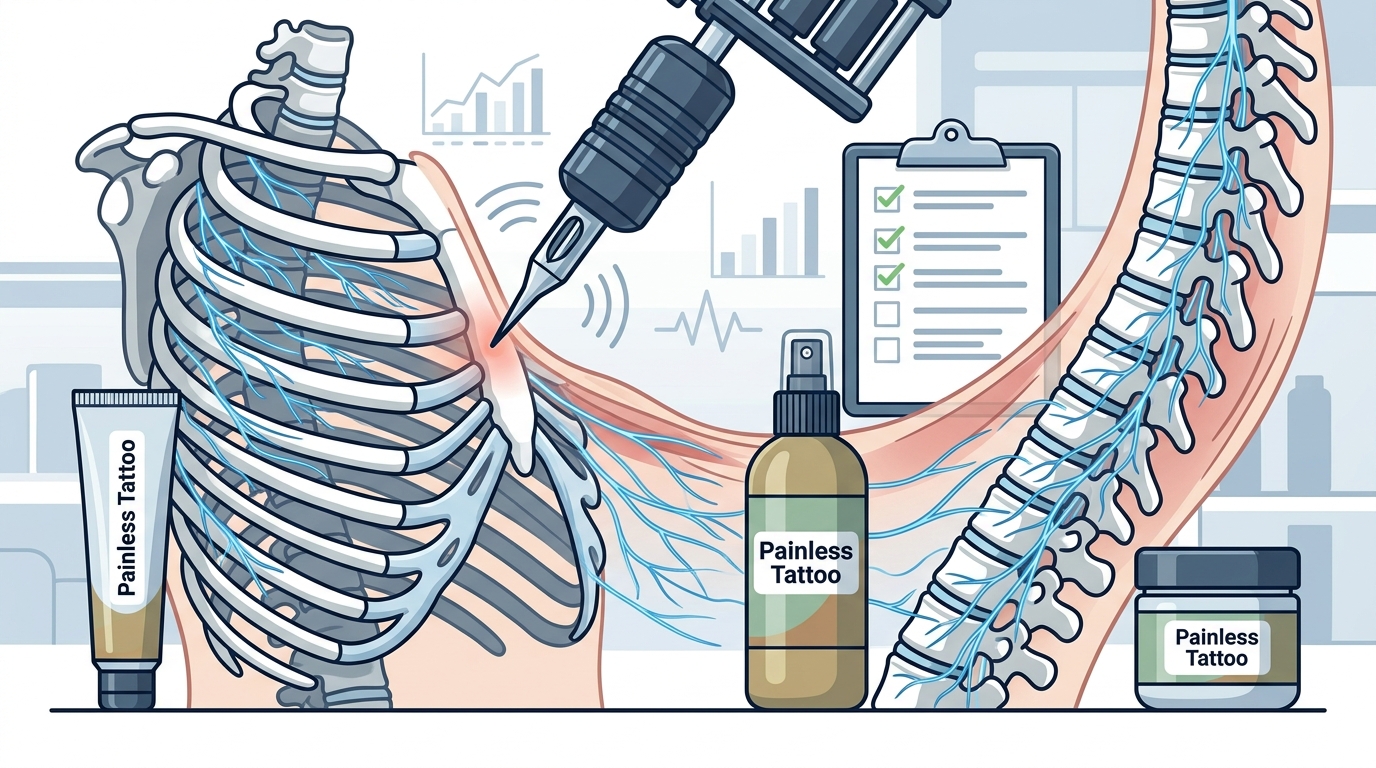
Before discussing solutions, it is crucial to define the anatomical factors at play. Pain threshold is the maximum level of pain that a person can tolerate. However, this threshold varies wildly based on location. The rib cage and spine are classified as high-pain zones because the needle strikes close to the periosteum, the sensitive membrane covering the bone. This proximity triggers a sharp, vibrating sensation that is difficult to ignore.
Furthermore, the spine itself is a complex network of nerves. When the needle traverses the vertebrae, the sensation can feel electric or deep. Periosteum is the dense layer of vascular connective tissue enveloping the bones except at the surfaces of the joints. Hitting this area directly causes a distinct, high-intensity pain spike that standard topical creams may struggle to fully mask without proper formulation.
Recognizing these biological realities allows you to choose the right tools. Generic over-the-counter creams often fail because they do not penetrate deeply enough to reach the nerve endings near the bone. This is where specialized products become essential. For artists and clients seeking effective relief, Painless Tattoo Products offer formulations designed specifically for these high-difficulty areas.
Preparation Strategies
Preparation begins days before your appointment. Your body's physiological state directly influences pain perception. Dehydration makes the skin tighter and more sensitive, while fatigue lowers your pain tolerance. Therefore, physical readiness is a critical component of pain management.
Hydration and Nutrition
Drink at least three liters of water daily leading up to your session. Well-hydrated skin is more elastic and absorbs topical anesthetics more effectively. Additionally, eat a substantial meal two hours before your appointment. Low blood sugar can lead to dizziness and heightened anxiety, which amplifies the perception of pain. Avoid alcohol and blood-thinning medications for at least 24 hours prior, as these can increase bleeding and slow the numbing process.
Mental Conditioning
Anxiety triggers the release of cortisol and adrenaline, which can heighten nerve sensitivity. Practice deep breathing techniques or meditation in the days leading up to your tattoo. Visualizing the process as a manageable challenge rather than a threat can help regulate your nervous system. Many clients find that listening to music or podcasts during the session helps distract the brain from the localized pain signals.
Professional Numbing Solutions
Topical anesthetics are the most effective tool for reducing pain in high-sensitivity areas. However, not all products are created equal. The efficacy of a numbing cream depends on its concentration of active ingredients, such as lidocaine, tetracaine, and epinephrine. Epinephrine is particularly important because it constricts blood vessels, slowing the absorption of the anesthetic into the bloodstream and keeping it localized to the skin longer.
Choosing the Right Product
For rib and spine tattoos, a potent numbing cream is often the first line of defense. Topical anesthetic is a medication applied to the skin to temporarily block pain signals. Products like the Painless Tattoo Numbing Cream are formulated to penetrate deep into the dermis. It is critical to follow the application instructions precisely. Typically, a thick layer is applied and covered with plastic wrap for 60 to 90 minutes to allow for maximum absorption.
Advanced Options: BLT and Sprays
For even more challenging areas, some artists and clients opt for stronger combinations. The BLT Triple Numb combines multiple anesthetic agents for a synergistic effect. This is often used for touch-ups or larger pieces on the spine. Additionally, numbing sprays can be used for quick re-application during long sessions. These sprays are particularly useful for maintaining numbness in areas where the initial cream may have worn off due to friction or sweat.
Integration with Aftercare
Pain management does not end when the tattoo is finished. The aftercare phase is equally important for comfort. Using Alpha Tattoo Oil or Alpha Tattoo Butter keeps the healing skin moisturized, preventing the tight, itchy discomfort that can exacerbate pain during the healing process. Proper aftercare ensures that the skin heals smoothly, reducing the risk of infection and prolonged sensitivity.
During the Session
Communication with your tattoo artist is vital. If the numbing begins to wear off, inform your artist immediately. They can pause to reapply a numbing spray or adjust their technique. Some artists use a "numbing and tattooing" method, where they apply the anesthetic in stages throughout the session. This approach is common for large back pieces or full rib cage sleeves.
Positioning also plays a role. Ensure you are in a comfortable position that does not restrict blood flow. If you are lying on your back for a rib tattoo, use pillows to support your lower back. Discomfort from poor posture can distract you and increase overall tension. Remember, a relaxed body responds better to numbing agents than a tense one.
Aftercare Impact on Pain
The healing process can last several weeks. During this time, the skin may feel tender, itchy, or sore. Proper aftercare minimizes these sensations. Healing is the biological process of tissue repair following injury. Keeping the tattoo clean and moisturized prevents scabbing, which can pull on the skin and cause pain when it cracks.
Avoid sun exposure and tight clothing that rubs against the tattoo. These factors can irritate the healing skin and prolong discomfort. If you experience excessive pain, redness, or swelling, consult your artist or a healthcare professional. These could be signs of infection, which requires immediate medical attention.
Key Takeaways
- Anatomical Sensitivity: Rib and spine tattoos are painful due to thin skin and proximity to bone, requiring specialized numbing strategies.
- Preparation is Key: Hydration, nutrition, and mental conditioning significantly impact pain tolerance before the needle touches the skin.
- Product Selection: High-concentration creams like Painless Tattoo Numbing Cream are essential for deep penetration near the periosteum.
- Advanced Options: For extreme sensitivity, consider BLT Triple Numb or strategic use of numbing sprays during the session.
- Aftercare Matters: Using Alpha Tattoo Oil prevents tightness and itching, reducing post-session discomfort.
- Communication: Work closely with your artist to manage numbing levels throughout the session.
- Professional Guidance: Always follow the directions provided by Painless Tattoo for optimal results.
Frequently Asked Questions
How long does numbing cream last for a rib tattoo?
Most professional numbing creams provide effective numbness for 2 to 4 hours. However, this varies based on the product strength and individual metabolism. For longer sessions, reapplication may be necessary.
Is BLT Triple Numb stronger than regular cream?
Yes, BLT Triple Numb is formulated with a combination of anesthetics designed for higher pain tolerance. It is often recommended for sensitive areas like the spine and ribs.
Can I use numbing spray during the tattoo?
Yes, numbing sprays are ideal for touch-ups during a session. They work quickly and are less messy than creams. Check the Spray Directions for proper usage.
Does hydration affect numbing cream efficacy?
Absolutely. Dehydrated skin absorbs topical anesthetics poorly. Drinking water before your appointment ensures the skin is receptive to the numbing agents.
What is the best aftercare product for pain relief?
Alpha Tattoo Butter is highly recommended for keeping the skin soft and reducing the tightness that causes pain during healing.
Are there any risks to using numbing creams?
When used as directed, numbing creams are safe. Overuse can lead to skin irritation or systemic absorption issues. Always follow the Cream Directions provided by the manufacturer.
How does the spine tattoo pain compare to other areas?
Spine tattoos are often rated as more painful than limbs due to the direct nerve stimulation. However, with proper numbing, the experience is manageable for most clients.
Start Your Journey
Reducing pain during a rib or spine tattoo is achievable with the right preparation and products. By understanding the anatomy, preparing your body, and using professional-grade numbing solutions, you can transform a daunting experience into a manageable one. Explore the full range of Painless Tattoo Products to find the perfect solution for your needs. Visit PainlessTattoo to shop now and take control of your tattoo experience.