
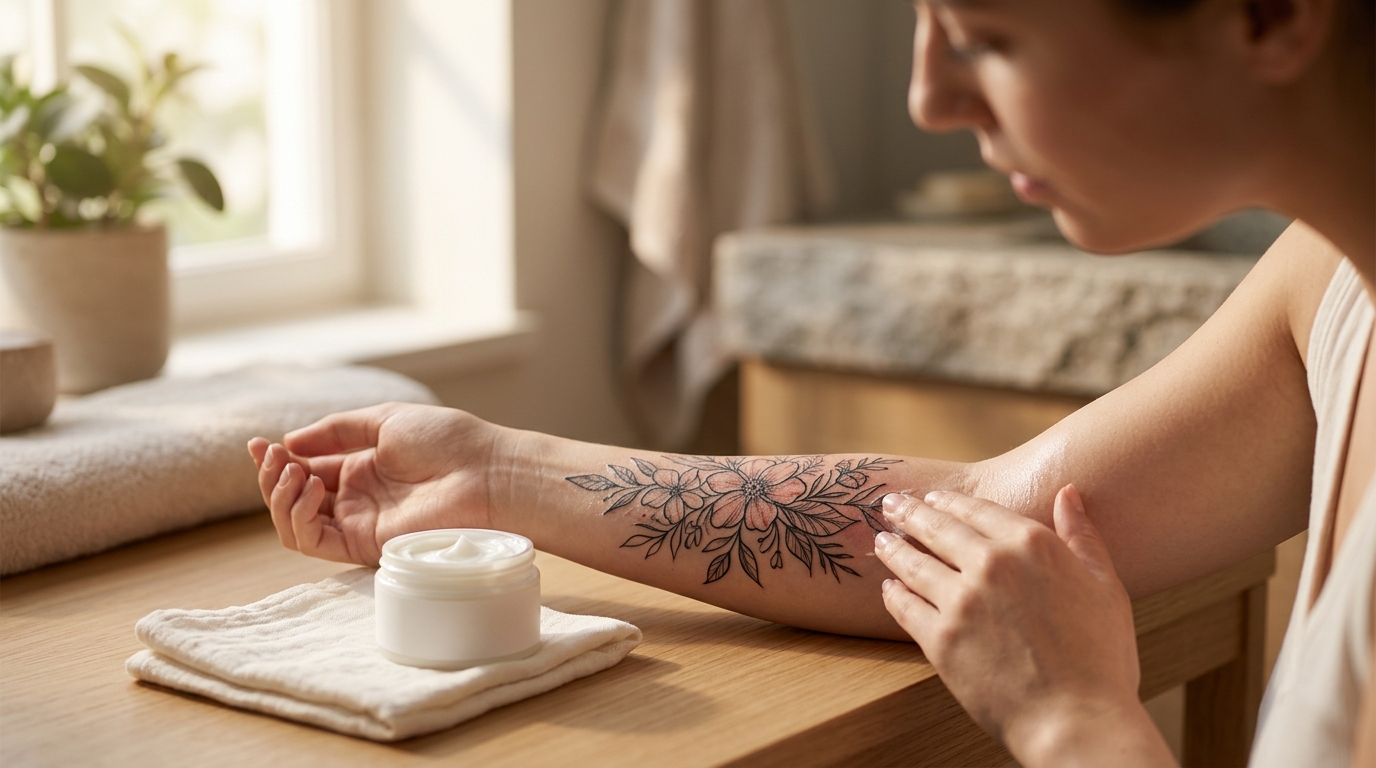
Managing a fresh tattoo when you have sensitive skin requires a strategic shift in your standard aftercare routine. According to recent dermatological studies on cutaneous healing, approximately 15 to 20 percent of the population experiences some form of contact dermatitis or heightened skin reactivity. This statistic highlights the critical need for specialized care protocols that prioritize barrier repair over aggressive cleaning. If you fall into this demographic, your approach to tattoo maintenance must be more deliberate, focusing on hypoallergenic products and minimal intervention to prevent inflammation.
Understanding Skin Reactivity and Tattoo Healing
Before diving into the routine, it is essential to define the biological mechanisms at play. Atopic dermatitis is a chronic condition causing dry, itchy, and inflamed skin. For tattoo artists and clients alike, understanding this baseline is crucial because the tattooing process itself is a controlled injury. The needle penetrates the epidermis and dermis, triggering an immune response. In sensitive individuals, this response can be exaggerated, leading to prolonged redness, swelling, or even allergic reactions to the ink pigments.
Standard aftercare advice often recommends harsh soaps or heavy occlusive ointments like petroleum jelly. While effective for normal skin, these can trap heat and bacteria against sensitive skin, exacerbating irritation. The goal for sensitive skin is to maintain a moist wound healing environment without suffocating the pores. This balance is achieved through breathable, non-comedogenic formulations that support the skin's natural lipid barrier.
The Initial Cleaning Protocol for Sensitive Types
The first 24 to 48 hours are the most critical phase of tattoo healing. During this window, your lymphatic system is actively flushing out excess ink and plasma. For sensitive skin, the cleaning method must be gentle yet thorough.
Step 1: The First Wash
Remove the initial bandage or wrap as instructed by your artist. Immediately wash the area with lukewarm water and a fragrance-free, antibacterial soap. Avoid hot water, which can dilate blood vessels and increase bleeding or oozing. Use your clean hands only; do not use washcloths or sponges, which can harbor bacteria and abrade the delicate new skin.
Step 2: Pat Dry, Never Rub
Gently pat the area dry with a clean paper towel. Cloth towels can retain moisture and bacteria, increasing the risk of infection. For sensitive skin, leaving the area slightly damp before applying moisturizer can help lock in hydration. This technique, known as damp-skin application, ensures that the moisturizer spreads evenly without tugging at the healing epidermis.
Product Selection Guide: What to Avoid
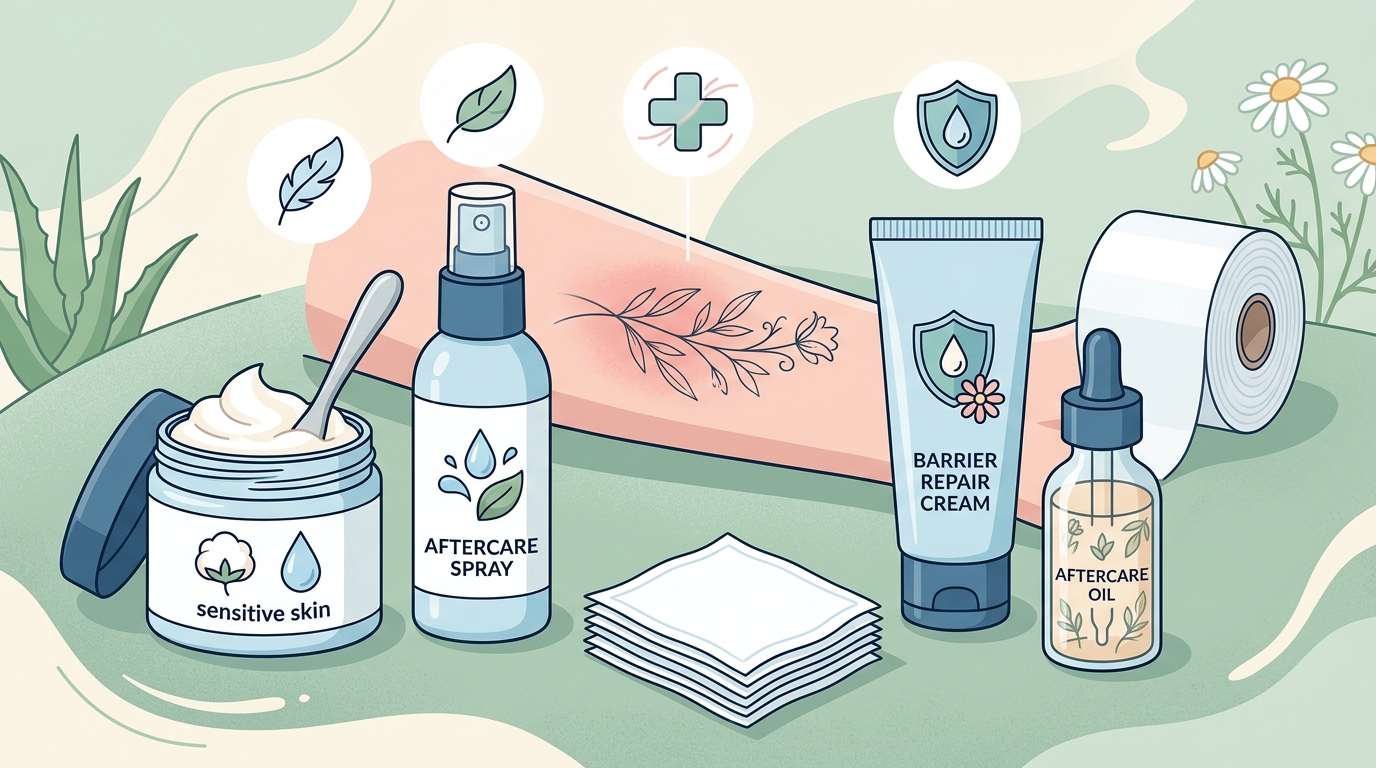
Choosing the right products is the most significant factor in preventing adverse reactions. Many commercial aftercare products contain alcohol, fragrances, or synthetic dyes that can trigger contact dermatitis. Phenol is a chemical compound often used in preservatives that can cause skin irritation. Always check ingredient lists for this and other potential irritants.
Instead of generic ointments, look for products specifically designed for sensitive skin or those recommended by professional tattoo care brands. For instance, Painless Tattoo Products offer formulations that are rigorously tested for safety and efficacy. Their Alpha Tattoo Butter is a popular choice because it utilizes natural emollients that mimic the skin's natural sebum, providing hydration without clogging pores.
| Product Type | Pros for Sensitive Skin | Cons for Sensitive Skin |
|---|---|---|
| Alpha Tattoo Butter | Non-greasy, fast-absorbing, natural ingredients. | May require more frequent application. |
| Petroleum Jelly | Creates a strong barrier against bacteria. | Traps heat, can cause folliculitis, suffocates skin. |
| Antibacterial Soaps | Effective at reducing bacterial load. | Can strip natural oils, leading to dryness and itching. |
| Fragranced Lotions | Provides a pleasant scent. | High risk of allergic reaction and irritation. |
Moisturizing Strategies for Barrier Repair
Once the initial oozing phase subsides, usually after 2-3 days, you can begin a consistent moisturizing routine. The skin will begin to peel and flake, similar to a sunburn. This is a normal part of the healing process, but it can be intensely itchy for sensitive individuals.
The Thin Layer Principle
Apply a very thin layer of your chosen moisturizer. A common mistake is applying too much product, which can lead to "sweating" of the tattoo. This occurs when the pores are blocked, trapping sweat and bacteria under the skin. This environment is a breeding ground for bacteria and can cause the ink to fade or the skin to become infected. If the tattoo looks shiny or feels greasy, you have applied too much. Wipe off the excess with a clean paper towel.
Frequency of Application
For sensitive skin, consistency is key. Apply moisturizer 2-3 times a day, or whenever the area feels tight or dry. Alpha Tattoo Oil is another excellent option for this stage. Oils can penetrate deeper into the skin than creams, providing long-lasting hydration and helping to keep the ink vibrant. The Alpha Tattoo Whip offers a lighter alternative for those who find butter too heavy.
Monitoring for Signs of Complications
Sensitive skin requires vigilant monitoring. While some redness and swelling are normal, you must distinguish between typical healing and an adverse reaction. Granuloma is a small knot of inflamed tissue that can form around foreign substances. In the context of tattoos, this can occur if the body rejects certain ink pigments, particularly reds, yellows, and oranges.
Watch for the following signs:
- Prolonged Redness: If redness persists beyond 72 hours or spreads beyond the tattooed area.
- Excessive Itching: Itching is normal, but intense, unrelenting itching may indicate an allergic reaction.
- Pus or Discharge: Clear or slightly yellowish fluid is normal plasma. Thick, green, or foul-smelling discharge is a sign of infection.
- Heat: The tattooed area should not feel significantly hotter than the surrounding skin.
If you experience any of these symptoms, contact your tattoo artist or a healthcare provider immediately. Do not attempt to treat an infection with over-the-counter creams without professional advice, as this can mask symptoms and worsen the condition.
Key Takeaways
- Hygiene First: Wash with fragrance-free antibacterial soap and lukewarm water for the first few days.
- Product Choice: Avoid petroleum-based products and fragrances; opt for natural, breathable alternatives like Alpha Tattoo Butter.
- Thin Layers: Apply moisturizer sparingly to prevent pore clogging and bacterial growth.
- Monitor Closely: Distinguish between normal peeling and signs of infection or allergic reaction.
- Stay Hydrated: Drink plenty of water to support skin healing from the inside out.
- Avoid Sun Exposure: Keep the fresh tattoo out of direct sunlight for at least two weeks.
- Professional Guidance: Consult your artist or a dermatologist if you have a history of severe skin reactions.
Frequently Asked Questions
Can I use regular lotion on my new tattoo?
It is generally not recommended to use regular lotion on a fresh tattoo. Most commercial lotions contain fragrances, preservatives, and alcohols that can irritate sensitive skin and disrupt the healing process. Use products specifically formulated for tattoo aftercare.
How long does sensitive skin take to heal from a tattoo?
While the surface healing typically takes 2-3 weeks, sensitive skin may experience prolonged redness or peeling. Full healing of the deeper skin layers can take up to 4-6 weeks. Patience and consistent care are essential during this extended period.
What should I do if my tattoo itches excessively?
Do not scratch the tattoo. Scratching can remove ink and introduce bacteria. Instead, apply a thin layer of moisturizer or use a cold compress wrapped in a clean cloth to soothe the itch. If the itching is unbearable, consult your tattoo artist or a doctor.
Is it safe to use natural oils on a new tattoo?
Yes, natural oils like coconut oil or specialized tattoo oils can be safe and effective for sensitive skin. They provide hydration and have antimicrobial properties. However, always perform a patch test on a small area of skin before applying it to the entire tattoo.
Can sensitive skin cause ink rejection?
In some cases, sensitive skin may react to specific ink pigments, leading to inflammation or granuloma formation. This is more common with red and yellow inks. Discuss your skin type with your artist beforehand to choose safer pigment options.
Should I cover my tattoo while sleeping?
For the first few nights, it is advisable to cover your tattoo with a clean bandage or plastic wrap to prevent it from sticking to your sheets. After the initial oozing phase, allow the tattoo to breathe by leaving it uncovered during sleep.
How do I know if I am having an allergic reaction?
Symptoms of an allergic reaction include intense itching, swelling, hives, and redness that spreads beyond the tattooed area. If you experience these symptoms, seek medical attention immediately. Do not ignore signs of an allergic reaction, as they can worsen over time.
Start Your Healing Journey
Healing a tattoo with sensitive skin is entirely manageable with the right knowledge and products. By choosing gentle, fragrance-free formulations and adhering to a strict hygiene routine, you can ensure your tattoo heals beautifully and vibrantly. Explore our curated collection of Painless Tattoo Products to find the perfect aftercare solution for your unique skin needs. Your skin deserves the best care, and your tattoo deserves to shine.