

Tattoo aftercare is not merely about keeping the ink visible. It is a biological process that determines the longevity of your art. According to recent dermatological studies on skin barrier repair, proper topical intervention can reduce the initial healing phase by up to 30 percent compared to leaving a wound to dry out naturally. This statistic highlights why choosing the right products is critical for both comfort and aesthetic outcome. Many artists and clients overlook the science of inflammation, leading to prolonged redness and potential scarring. This guide details the specific product categories that accelerate recovery and minimize irritation.
Understanding the Healing Phases
Before selecting products, you must understand what your skin is undergoing. Tattooing creates thousands of micro-wounds in the dermis. The body responds with an immediate inflammatory response. This is the primary cause of redness and swelling. The first 48 hours are the most critical. During this window, the skin is essentially an open wound. It requires protection from bacteria and excessive moisture loss. Skipping proper care here can lead to ink rejection or blurry lines later.
The second phase involves peeling and flaking. This usually occurs between days 4 and 10. The skin attempts to shed the damaged outer layers. Itching is common during this stage. Scratching can pull ink out of the dermis. Using the right moisturizer prevents excessive cracking and reduces the urge to scratch. The final phase is the settling period. This can last up to six weeks. During this time, the skin continues to regenerate beneath the surface. The true color of the tattoo only emerges after this period concludes.
Numbing and Prep Products
While numbing creams are primarily used during the tattooing process, their residual effects can influence early healing. Products containing lidocaine and tetracaine work by blocking nerve signals. This reduces pain during the procedure, which in turn reduces the body's stress response. A lower stress response can mean less initial inflammation. However, numbing products should not be used as a primary aftercare treatment. They are designed for pre-procedure application only.
For those seeking to minimize initial trauma, some artists recommend specific prep protocols. Keeping the skin hydrated before the appointment helps the needle glide smoothly. This reduces the need for multiple passes. Fewer passes mean less trauma to the skin. Consequently, the healing process starts from a healthier baseline. Painless Tattoo Numbing Cream is a widely used product in the industry for this purpose. It is formulated to penetrate the skin effectively without causing allergic reactions in most users.
Immediate Aftercare Oils and Balms
Once the tattoo is complete, the focus shifts to hydration and barrier repair. Oils and balms are superior to traditional ointments like petroleum jelly. Petroleum creates a non-breathable seal that can trap bacteria and suffocate the skin. Oils, on the other hand, allow the skin to breathe while providing essential lipids. These lipids mimic the skin's natural sebum. This helps the skin repair itself faster.
Alpha Tattoo Oil is a prime example of a product designed for this stage. It contains a blend of natural ingredients that soothe the skin and lock in moisture. The oil penetrates the epidermis quickly, reducing the sticky feeling that many clients dislike. It also helps to keep the scabs thin and flexible. Thin scabs are less likely to crack and pull ink out during the peeling phase. Applying this oil in thin layers multiple times a day is the recommended protocol.
Another effective option is Alpha Tattoo Butter. Butters provide a slightly thicker barrier than oils. This can be beneficial for tattoos in high-friction areas. The butter melts upon contact with the skin, providing immediate relief from tightness. It is particularly useful for larger pieces that cover broad surface areas. The rich texture helps to prevent the skin from drying out too quickly between applications.
Reducing Redness and Inflammation
Redness is a natural part of the healing process. It indicates that blood is flowing to the area to deliver immune cells. However, prolonged redness can signal irritation or infection. To reduce redness, you need products with anti-inflammatory properties. Ingredients like aloe vera, chamomile, and tea tree oil are known for their soothing effects. They help to calm the skin and reduce swelling.
Hydration is also key to reducing redness. Dehydrated skin becomes inflamed more easily. By keeping the tattoo consistently moisturized, you prevent the skin from becoming dry and irritated. This reduces the redness associated with tight, dry skin. Alpha Tattoo Whip offers a lightweight alternative for those who find oils too heavy. It provides hydration without clogging pores, which helps maintain a clear complexion around the tattoo.
Avoiding irritants is equally important. Do not use products with alcohol, fragrances, or harsh chemicals on a fresh tattoo. These ingredients can strip the skin of its natural oils and exacerbate redness. Stick to products specifically formulated for tattoo aftercare. These products are tested to ensure they do not interfere with the healing process. Painless Tattoo Products are designed with these safety standards in mind.
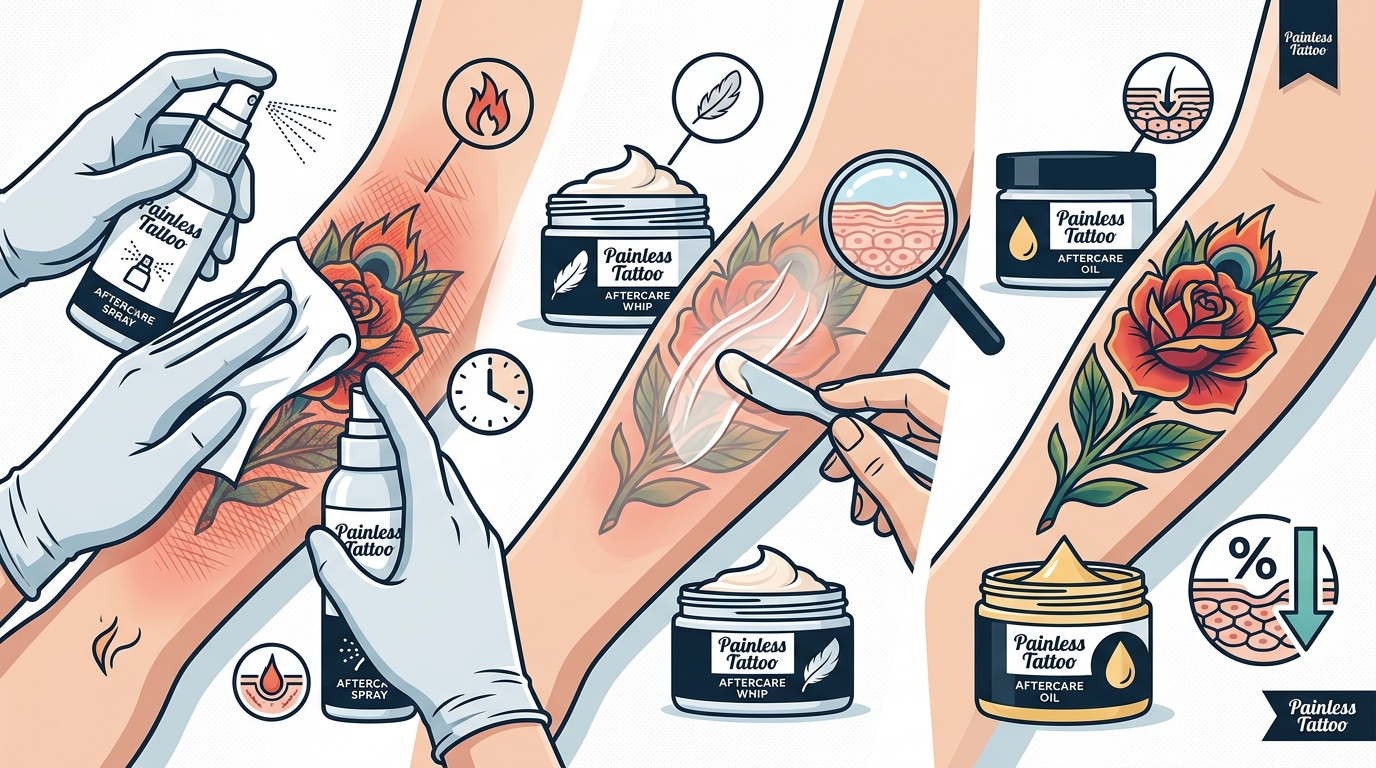
Product Comparison Matrix
Choosing the right product can be confusing. The table below compares the key features of popular aftercare options to help you make an informed decision.
| Product Type | Best For | Key Benefit | Application Frequency |
|---|---|---|---|
| Numbing Cream | Pre-Procedure | Pain Reduction | Once (Before Tattoo) |
| Alpha Tattoo Oil | Daily Hydration | Fast Absorption | 3-5 Times Daily |
| Alpha Tattoo Butter | Thick Barrier | Long-Lasting Moisture | 2-3 Times Daily |
| Alpha Tattoo Whip | Lightweight Care | Non-Greasy Finish | 3-4 Times Daily |
Key Takeaways
- Proper aftercare can reduce the initial healing phase by up to 30 percent.
- Oil-based products like Alpha Tattoo Oil allow the skin to breathe while hydrating.
- Redness is a natural inflammatory response that subsides with proper hydration.
- Peeling typically occurs between days 4 and 10 of the healing process.
- Avoid petroleum-based products as they can trap bacteria and suffocate the skin.
- Consistent application of aftercare products is more effective than heavy, infrequent applications.
- The final settling of ink can take up to six weeks.
Frequently Asked Questions
How long does it take for tattoo redness to go away?
Mild redness usually subsides within the first week. However, deeper inflammation can last for several weeks. If redness persists beyond two weeks or is accompanied by heat, consult your artist or a doctor.
Can I use lotion on my new tattoo?
Standard body lotions often contain fragrances and alcohols that can irritate fresh tattoos. It is better to use a specialized tattoo aftercare product like Alpha Tattoo Butter which is formulated for sensitive, wounded skin.
What is the fastest way to heal a tattoo?
The fastest healing comes from keeping the tattoo moist but not soggy. Apply a thin layer of Alpha Tattoo Oil multiple times a day. Avoid picking at scabs and keep the area out of direct sunlight.
Is it normal for my tattoo to be red after a week?
Some redness can be normal, especially for large or detailed tattoos. However, if the redness is spreading or the area is hot to the touch, it could be a sign of infection.
Do I need to use a numbing cream for aftercare?
No, numbing creams are for pre-procedure use only. Using them on a healing tattoo can interfere with the skin's natural healing process and cause irritation.
How often should I apply aftercare products?
Apply products 3 to 5 times a day. The goal is to keep the skin consistently hydrated without over-saturating it. If the skin feels tight, apply more.
Can I swim while my tattoo is healing?
No, you should avoid swimming in pools, hot tubs, or bodies of water until the tattoo is fully healed. Waterborne bacteria can cause infections and fade the ink.
What ingredients should I avoid in aftercare products?
Avoid alcohol, fragrances, and petroleum. These ingredients can dry out the skin, cause irritation, and trap bacteria. Stick to natural, soothing ingredients like aloe and plant-based oils.
Start Your Healing Journey
Healing your tattoo correctly is an investment in the longevity of your art. By using the right products, you can reduce redness, speed up recovery, and ensure your ink looks its best for years to come. Explore our full range of Painless Tattoo Products to find the perfect aftercare solution for your needs. Visit our home page to learn more about our commitment to quality and innovation in tattoo care.