

What Aftercare Routine Do You Recommend for Individuals Prone to Skin Reactions or Sensitivities After Getting a Tattoo?
Managing a new tattoo when you have sensitive skin requires a shift in strategy. Standard aftercare advice often relies on heavy ointments that can clog pores or trigger contact dermatitis in reactive skin types. According to the American Academy of Dermatology, sensitive skin is characterized by a compromised barrier function that reacts more intensely to environmental stressors and chemical irritants. This means your healing process needs to be monitored with extreme precision to avoid complications like excessive scabbing, color lifting, or prolonged redness.
Understanding Sensitive Skin Reactions
Before you even step into the tattoo studio, you must understand how your skin behaves. Sensitive skin is not just a feeling; it is a physiological response where the immune system overreacts to minor stimuli. In the context of tattooing, the needle creates hundreds of micro-wounds. For sensitive skin, this triggers a heightened inflammatory response.
Common signs of a negative reaction include intense itching, burning sensations, and the development of small, red bumps around the inked area. These are often signs of contact dermatitis or an allergic reaction to the ink pigments themselves. It is crucial to distinguish between normal healing itching and an allergic reaction. Normal itching is mild and manageable. An allergic reaction is persistent, painful, and often accompanied by swelling.
Research indicates that individuals with eczema or psoriasis are at a higher risk for keloid formation and poor pigment retention. This is why a tailored aftercare routine is not a luxury but a medical necessity for your skin health. You must prioritize products that are hypoallergenic and free from common irritants like fragrances and alcohol.
The Initial Cleaning Phase
The first few hours after your tattoo session are critical. Your artist will likely apply a bandage or wrap. When it is time to remove this initial covering, you must do so gently. Do not rip the bandage off. Instead, use lukewarm water to loosen the adhesive if necessary.
Gentle Cleansing Techniques
Once the bandage is off, you need to clean the area thoroughly but softly. Use a fragrance-free, antibacterial soap. Liquid soaps are generally preferred over bar soaps because they are less likely to harbor bacteria. Wash your hands thoroughly before touching your tattoo. Use your fingertips to gently rub the soap into the skin in a circular motion. Avoid using washcloths or sponges, as the friction can irritate the open wounds.
Rinse with cool or lukewarm water. Hot water can increase blood flow to the area, leading to more swelling and bleeding. Pat the area dry with a clean, disposable paper towel. Do not rub the skin dry. Leaving the tattoo damp can create a breeding ground for bacteria. This simple yet rigorous cleaning routine prevents infection and sets the stage for proper healing.
Moisturizing Strategies for Reactive Skin
Moisturizing is the cornerstone of tattoo aftercare. However, for sensitive skin, the type of moisturizer matters immensely. You need a product that hydrates without suffocating the skin. Heavy petroleum-based ointments, while traditional, can trap heat and bacteria against the skin, leading to folliculitis or acne-like breakouts.
Instead, opt for lightweight, water-based lotions or specialized tattoo aftercare balms. These products absorb quickly and allow the skin to breathe. Look for ingredients like aloe vera, which is known for its soothing and anti-inflammatory properties. Aloe vera is a natural emollient that helps reduce redness and itching.
Apply the moisturizer in thin layers. You want the skin to feel hydrated, not greasy. If the skin feels sticky, you are applying too much. Over-moisturizing can prevent oxygen from reaching the wound, slowing down the healing process. A good rule of thumb is to moisturize two to three times a day, or whenever the tattoo feels tight or dry.
Introducing Alpha Tattoo Care
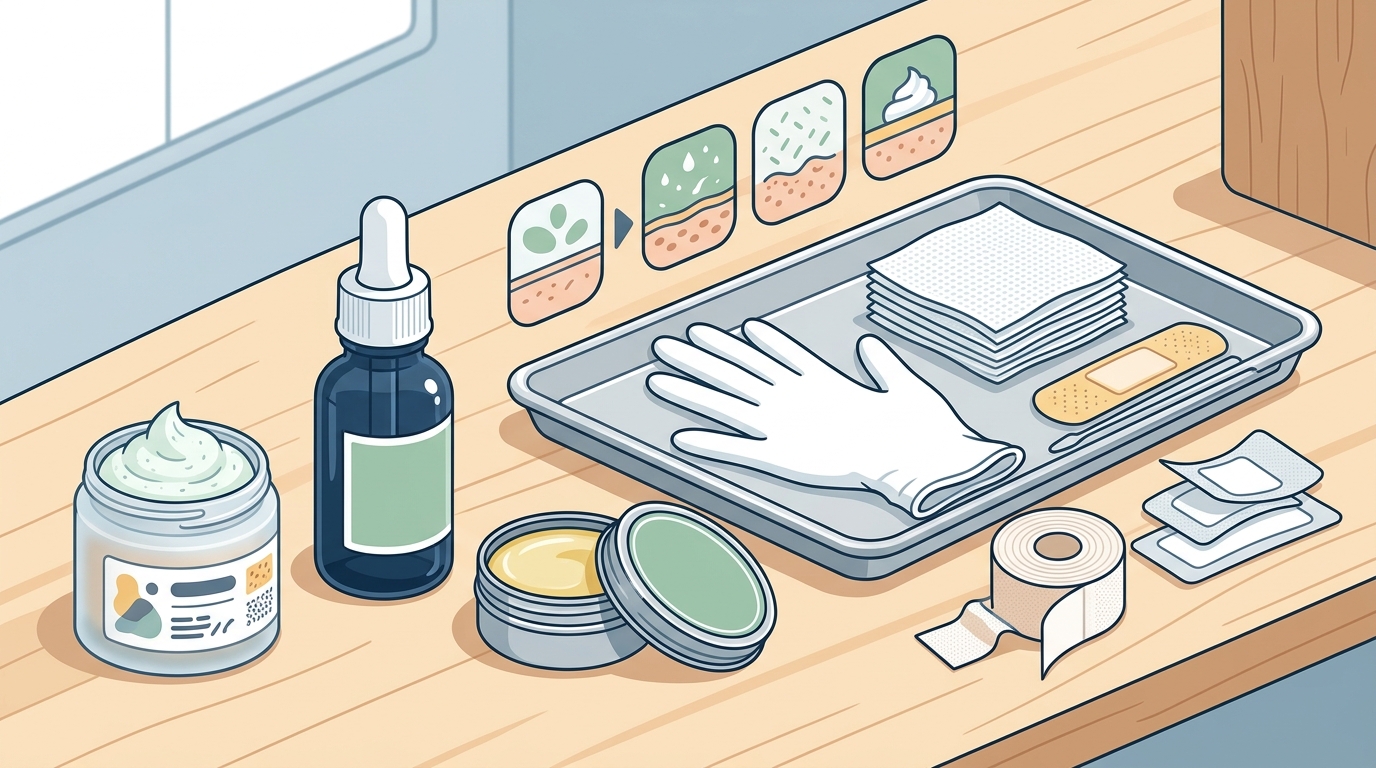
For those with highly reactive skin, specialized products can make a significant difference. The Alpha Tattoo Oil is formulated to provide deep hydration without clogging pores. It is designed to support the skin barrier while allowing for proper oxygen exchange. Similarly, the Alpha Tattoo Butter offers a richer consistency for days when the skin feels particularly dry or itchy. These products are part of the Painless Tattoo Products line, which is trusted by professionals for its gentle yet effective formulation.
Products to Avoid
Knowing what to avoid is just as important as knowing what to use. Many over-the-counter ointments contain ingredients that can cause severe reactions in sensitive skin types. Avoid products with fragrances, dyes, or alcohol. These ingredients can strip the skin of its natural oils and cause further irritation.
Do not use hydrogen peroxide or alcohol-based cleaners on your tattoo. While they are effective disinfectants, they are too harsh for healing skin and can damage the new cells forming under the surface. This can lead to scarring and faded ink. Additionally, avoid picking at scabs or peeling skin. Let the skin shed naturally. Picking can pull out the ink and cause permanent scarring.
It is also wise to avoid swimming pools, hot tubs, and oceans during the initial healing phase. The chemicals in pools and the salt in the ocean can irritate the open wounds and introduce bacteria. Stick to showering until the tattoo is fully healed, which typically takes two to four weeks.
Comparison of Aftercare Options
Choosing the right aftercare product can be confusing. Below is a comparison of common aftercare options to help you make an informed decision.
| Product Type | Best For | Pros | Cons for Sensitive Skin |
|---|---|---|---|
| Petroleum Ointment | Very dry skin | Creates a strong barrier | Can clog pores and trap bacteria |
| Fragrance-Free Lotion | Normal to oily skin | Lightweight and breathable | May require more frequent application |
| Alpha Tattoo Oil | Sensitive and reactive skin | Deep hydration without greasiness | Higher cost than generic lotions |
| Alpha Tattoo Butter | Extremely dry or itchy skin | Soothing and long-lasting moisture | Can feel heavy if over-applied |
Key Takeaways
- Sensitive skin requires a gentle, fragrance-free aftercare routine to prevent contact dermatitis.
- Cleanse the tattoo with lukewarm water and a mild, antibacterial soap using only your fingertips.
- Avoid petroleum-based ointments if you are prone to clogged pores or folliculitis.
- Use specialized products like Alpha Tattoo Oil for optimal hydration without irritation.
- Never pick at scabs or peeling skin to avoid ink loss and scarring.
- Monitor for signs of allergic reaction, such as persistent redness, swelling, or intense itching.
- Consult your tattoo artist or a dermatologist if you experience severe reactions or signs of infection.
Frequently Asked Questions
Can I use regular lotion on my new tattoo?
Only if it is fragrance-free and dye-free. Regular lotions often contain preservatives and fragrances that can irritate sensitive skin and cause allergic reactions. It is safer to use a product specifically designed for tattoo aftercare.
How long does sensitive skin take to heal from a tattoo?
While the surface healing typically takes two to three weeks, sensitive skin may take longer to fully recover. The deeper layers of skin may remain sensitive for up to six weeks. Patience is key during this period.
What should I do if my tattoo itches intensely?
Apply a thin layer of Alpha Tattoo Butter or a recommended soothing balm. Do not scratch the area. If the itching is accompanied by swelling or heat, contact your tattoo artist or a healthcare provider immediately.
Is it safe to use aloe vera on a new tattoo?
Yes, pure aloe vera gel is generally safe and beneficial for sensitive skin. It has natural anti-inflammatory properties that can help reduce redness and soothe irritation. Ensure the aloe vera is pure and free from added fragrances or alcohol.
Can I go swimming with a new tattoo?
No, you should avoid swimming in pools, hot tubs, lakes, or oceans until the tattoo is fully healed. Water in these environments contains bacteria and chemicals that can cause infections and irritate sensitive skin.
What are the signs of an allergic reaction to tattoo ink?
Signs include persistent redness, swelling, itching, and the appearance of bumps or rashes around the tattooed area. In severe cases, you may experience blistering or oozing. If you notice these symptoms, seek medical attention promptly.
How often should I moisturize my tattoo?
Moisturize your tattoo two to three times a day, or whenever it feels dry or tight. The goal is to keep the skin hydrated but not greasy. Over-moisturizing can slow down the healing process.
Next Steps
Caring for a tattoo with sensitive skin is a delicate balance of protection and hydration. By choosing the right products and following a gentle routine, you can ensure your tattoo heals beautifully without complications. If you are looking for specialized care, explore the Painless Tattoo Products collection for high-quality, skin-friendly options. For more information on tattoo care and maintenance, visit the PainlessTattoo homepage. Your skin deserves the best care, and your tattoo deserves to shine.