
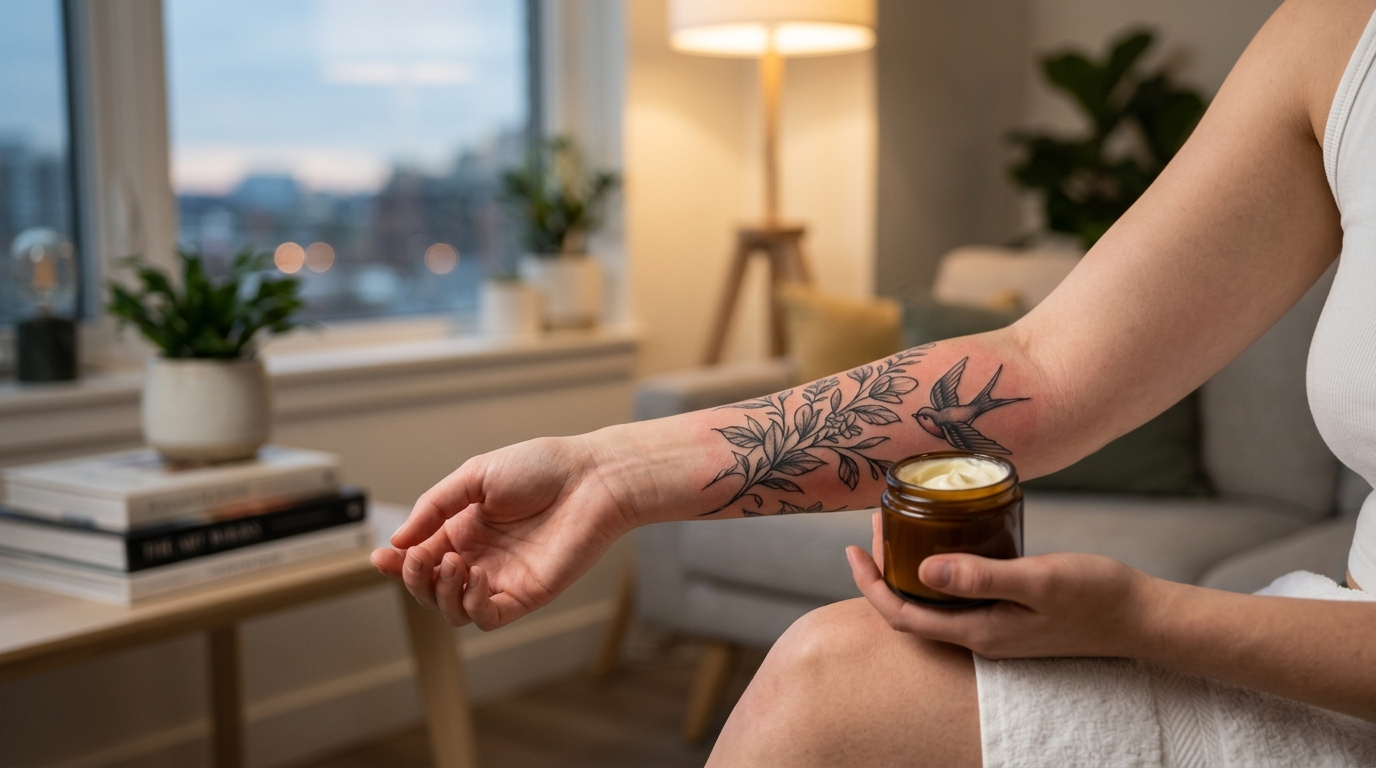
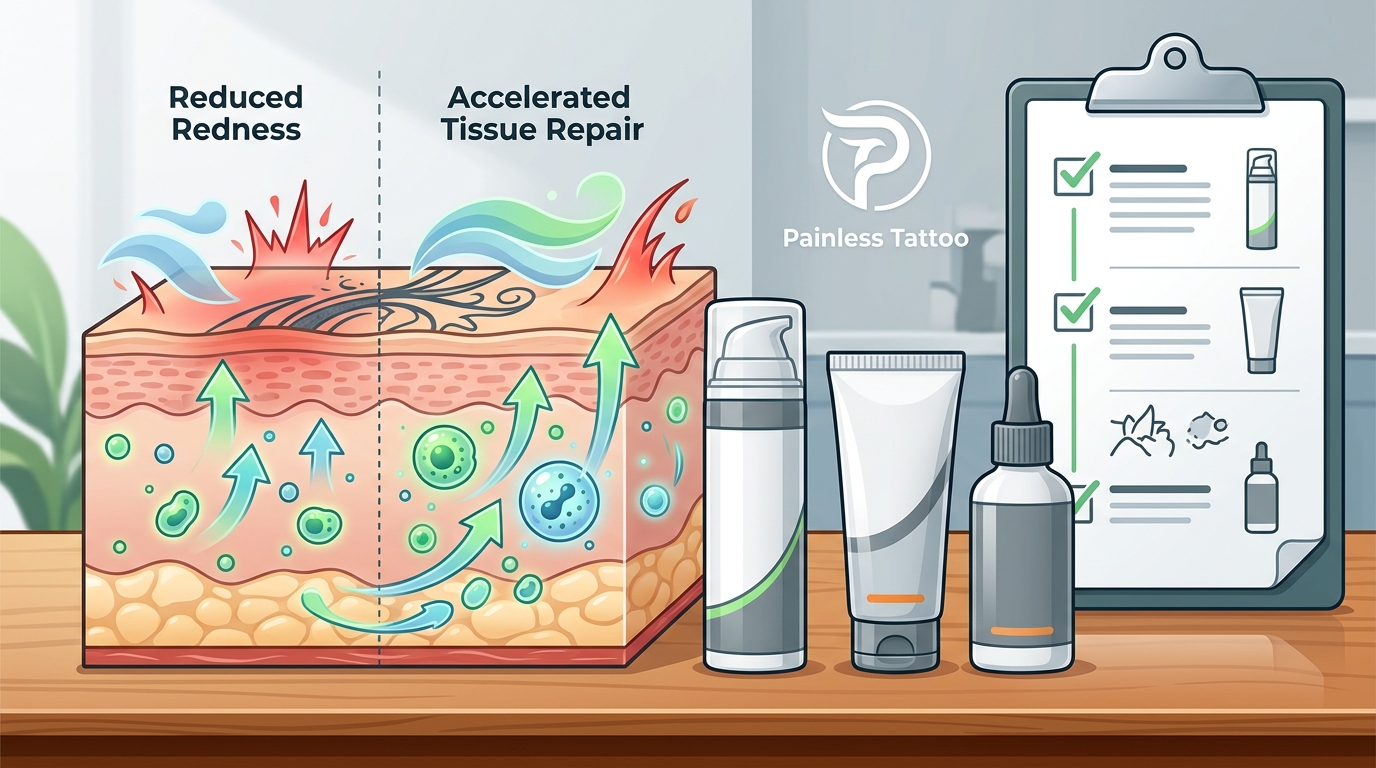
Tattoo aftercare is not merely about maintaining aesthetic appeal. It is a critical biological process that determines the longevity of your ink and the health of your skin. According to recent dermatological studies on wound care, proper topical application can reduce initial inflammation by up to 40% compared to leaving a wound exposed. This guide details the specific product categories and application methods that accelerate tissue repair while minimizing the redness that often accompanies the healing phase.
Understanding the Healing Phases
To effectively reduce redness, you must first understand what is happening beneath the surface. Tattooing creates thousands of micro-wounds in the dermis. The body responds with an immediate inflammatory response, which manifests as redness, heat, and swelling.
The first phase, known as the inflammatory stage, lasts approximately three to five days. During this time, your body sends white blood cells to the area to prevent infection. This is the period of highest redness. The second phase is the proliferative stage, where new skin cells begin to form. This phase can last from one to two weeks. Finally, the maturation phase occurs over several months, where the skin fully regenerates and the ink settles.
Choosing the right products for each phase is essential. Using a heavy ointment during the initial inflammatory stage can trap heat and bacteria, potentially worsening redness. Conversely, using a drying alcohol-based product during the proliferative stage can cause excessive scabbing and ink loss. The goal is to balance moisture with breathability.
Top Product Categories for Healing
Not all aftercare products are created equal. The market offers several distinct categories designed to address specific healing needs. Understanding the chemical composition of these products allows you to make informed decisions that support faster recovery.
Water-Based Balms
Water-based balms are currently the gold standard for modern tattoo aftercare. Unlike traditional petroleum-based ointments, these products allow the skin to breathe while providing a protective barrier. They typically contain ingredients like aloe vera, panthenol, and vitamin E. These ingredients work synergistically to soothe irritated skin and promote cellular regeneration. A comprehensive selection of aftercare products is available to suit different skin types.
Specialized Tattoo Oils
Tattoo oils have gained significant popularity in recent years. These natural formulations often include jojoba oil, coconut oil, and essential oils like lavender or tea tree. Jojoba oil is particularly effective because its molecular structure closely resembles the natural sebum produced by human skin. This allows for rapid absorption without clogging pores. Professional artists often recommend these oils for the later stages of healing to prevent itching and flaking.
Antibacterial Washes
The foundation of any healing protocol is a gentle, antibacterial wash. Harsh soaps can strip the skin of its natural oils and disrupt the healing environment. Look for pH-balanced cleansers that are free from fragrances and dyes. Washing the tattoo twice daily removes excess plasma, ink, and bacteria, which directly reduces the risk of infection and subsequent prolonged redness.
Numbing and Soothing Agents
While numbing creams are primarily used before the tattooing process, certain soothing agents can be beneficial during the early healing stages. Redness is often accompanied by a burning sensation. Ingredients like menthol or camphor can provide a cooling effect that reduces the perception of heat.
However, it is crucial to distinguish between pre-tattoo numbing and post-tattoo soothing. Pre-tattoo numbing products, such as those found in the Painless Tattoo product line, are designed to block nerve signals temporarily. Using these during the healing phase can delay the body's natural inflammatory response, which is necessary for proper healing. Instead, opt for products specifically formulated for post-procedure sensitivity.
Alpha Tattoo Oil is one such product designed to support the skin barrier. It contains ingredients that help calm irritated skin without interfering with the ink's ability to settle. Applying a thin layer of this oil can significantly reduce the tightness and redness associated with the first week of healing.
Optimal Aftercare Protocols
Even the best products will fail if the application protocol is incorrect. Consistency is the most critical factor in speeding up healing. Here is a step-by-step protocol recommended by industry experts.
Step 1: Initial Bandaging. Keep the initial bandage on for the time specified by your artist, typically two to four hours. This protects the fresh wound from environmental contaminants.
Step 2: Gentle Cleansing. Remove the bandage and wash the tattoo with lukewarm water and a gentle antibacterial soap. Use your fingertips, not a washcloth, to avoid abrasion. Pat the area dry with a clean paper towel. Do not rub.
Step 3: Product Application. Apply a very thin layer of your chosen aftercare balm or oil. The product should be barely visible. If you can see a thick white layer, you have applied too much. Excess product suffocates the skin and traps heat, leading to increased redness.
Step 4: Repeat. Repeat this process three to four times a day for the first two weeks. As the tattoo begins to peel, you may reduce the frequency to two times a day.
Avoid picking at peeling skin or scabs. Picking pulls ink out of the dermis and re-opens the wound, resetting the healing clock and prolonging redness. Professional aftercare guidelines emphasize that patience during the peeling phase is vital for a crisp final result.
Product Comparison Matrix
The following table compares common aftercare product types based on their primary benefits and ideal usage phases.
| Product Type | Primary Benefit | Ideal Healing Phase | Key Ingredients |
|---|---|---|---|
| Water-Based Balm | Breathability and Moisture Retention | Days 1-14 | Aloe Vera, Panthenol |
| Tattoo Oil | Deep Hydration and Itch Relief | Days 7-30 | Jojoba, Vitamin E |
| Antibacterial Wash | Infection Prevention | Days 1-30 | pH Balancers, Mild Surfactants |
| Pre-Tattoo Numb | Pain Reduction During Procedure | Pre-Procedure | Lidocaine, Tetracaine |
Key Takeaways
- Proper topical application can reduce initial inflammation by up to 40%.
- Water-based balms are superior to petroleum-based ointments for breathability.
- Jojoba oil mimics natural skin sebum, allowing for rapid absorption.
- Over-application of aftercare products traps heat and worsens redness.
- Alpha Tattoo Oil is designed to calm irritated skin without delaying healing.
- Gentle cleansing twice daily is critical for preventing infection.
- Picking at scabs resets the healing clock and prolongs redness.
Frequently Asked Questions
How long does tattoo redness typically last?
Initial redness usually subsides within three to five days. However, mild pinkness can persist for up to two weeks as the skin continues to regenerate. If redness persists beyond two weeks or is accompanied by heat and pus, seek medical attention.
Can I use Vaseline on my new tattoo?
It is generally not recommended to use plain Vaseline. It is occlusive, meaning it does not allow the skin to breathe. This can trap bacteria and heat, leading to increased redness and potential infection. Water-based balms are a safer alternative.
What is the best product to reduce tattoo itching?
Tattoo oils containing jojoba and vitamin E are highly effective for reducing itching. As the skin heals, it becomes dry and tight. Applying a thin layer of oil provides deep hydration that relieves the itch without clogging pores.
Should I use a numbing cream during the healing process?
No. Numbing creams are designed for use before the tattooing process. Using them during healing can interfere with the body's natural inflammatory response, which is necessary for proper tissue repair. Use soothing balms instead.
How often should I wash my tattoo?
Wash your tattoo two to three times a day with a gentle, antibacterial soap. Over-washing can dry out the skin, while under-washing can lead to infection. Always pat the area dry with a clean paper towel.
What ingredients should I avoid in aftercare products?
Avoid products containing alcohol, fragrances, and harsh chemicals. These ingredients can strip the skin of its natural oils and cause irritation. Stick to products with natural, soothing ingredients like aloe vera and panthenol.
Can I go swimming while my tattoo is healing?
No. You should avoid submerging your tattoo in pools, hot tubs, or bodies of water until it is fully healed. Water in these environments contains bacteria and chemicals that can cause infection and fade the ink. Wait at least two to three weeks.
Start Your Healing Journey
Healing a tattoo is a partnership between your body and the products you choose. By selecting high-quality, breathable aftercare solutions, you can significantly reduce redness and accelerate the healing process. Visit the Painless Tattoo Shop to explore our full range of professional-grade aftercare products designed to keep your ink vibrant and your skin healthy.