

Managing a new tattoo when you have sensitive skin requires a shift in strategy. Standard aftercare advice often relies on heavy ointments that can clog pores or irritate reactive dermal layers. According to dermatological consensus, approximately 15 to 20 percent of the population experiences some form of contact dermatitis from topical products. This statistic highlights why a tailored approach is not just a preference but a necessity for preserving ink integrity and skin health. You must prioritize barrier repair and inflammation control above all else.
Understanding Reactive Skin
Before applying any product, you must understand how your skin behaves. Reactive skin is characterized by an overactive immune response to external stimuli. This can manifest as redness, itching, swelling, or even blistering. When a tattoo is created, it is essentially a controlled wound. For sensitive individuals, the healing process can be prolonged and more uncomfortable.
Standard tattoo aftercare often recommends thick, petroleum-based ointments. While effective for normal skin, these can trap heat and bacteria against sensitive dermis. This creates a micro-environment that triggers inflammation. You need a routine that allows the skin to breathe while maintaining necessary hydration. The goal is to support the natural healing cascade without overwhelming the immune system.
Initial Cleansing Protocol
The first 24 hours are critical. Your tattoo artist will likely cover the area with a bandage or second-skin dressing. Follow their specific instructions regarding removal time. Once you remove the initial covering, you must cleanse the area gently. Do not scrub. Use lukewarm water and a fragrance-free, antibacterial soap. Harsh soaps strip natural oils and disrupt the pH balance of healing skin.
Pat the area dry with a clean paper towel. Do not use cloth towels, which harbor bacteria and can snag on scabs. Gentle patting prevents irritation. This step removes excess plasma, ink, and bacteria without causing trauma to the delicate new tissue. Consistency here prevents infection and reduces the risk of allergic reactions.
The Moisturizing Strategy
Moisturizing is the cornerstone of sensitive skin aftercare. However, the type of moisturizer matters immensely. You should avoid products with heavy fragrances, alcohol, or artificial dyes. These ingredients are common triggers for contact dermatitis. Instead, look for formulations designed for sensitive or eczema-prone skin.
Apply a thin layer of moisturizer multiple times a day. The skin should never feel tight or dry, but it should not look greasy. Over-moisturizing can suffocate the tattoo and lead to clogged pores. Under-moisturizing leads to excessive scabbing, which can pull out ink and cause scarring. Find the balance where the skin feels supple and calm.
Product Selection for Sensitivities
Choosing the right products can make or break your healing process. You need ingredients that soothe and repair. Look for products containing panthenol, aloe vera, or centella asiatica. These ingredients are known for their anti-inflammatory properties. They help reduce redness and accelerate tissue repair.
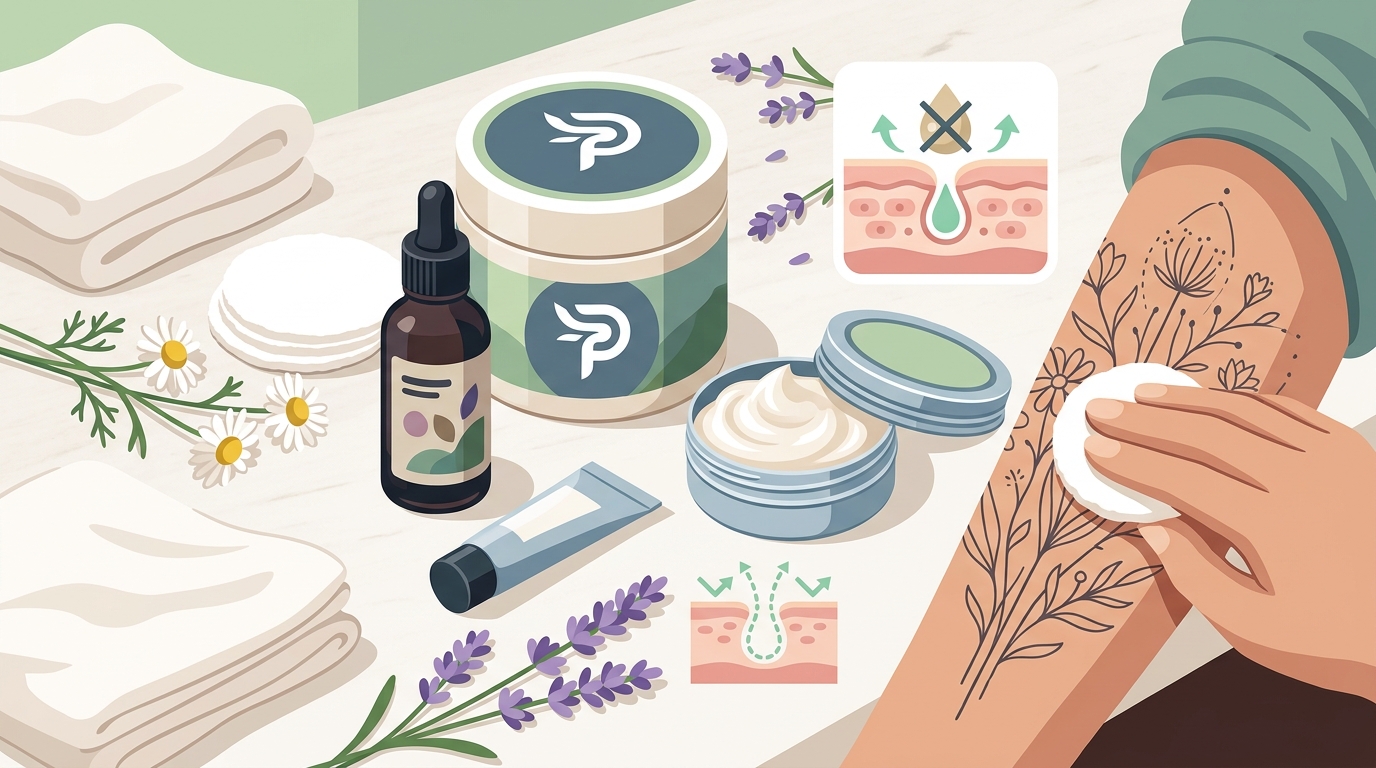
For those who prefer specialized tattoo care, consider products designed for sensitive skin. Painless Tattoo Products offer a range of options that are generally well-tolerated. Specifically, their Alpha Tattoo Butter is formulated to be lightweight and non-irritating. It provides deep hydration without the heavy occlusion of traditional ointments. This makes it an excellent choice for reactive skin types.
Another option is Alpha Tattoo Oil. Oils can be beneficial for sensitive skin because they mimic the skin's natural sebum. They create a protective barrier that allows oxygen exchange. This helps prevent the "suffocation" effect associated with petroleum-based products. Always patch test new products on a small area of healed skin before applying them to your fresh tattoo.
What to Avoid Completely
Knowing what to avoid is just as important as knowing what to use. Sensitive skin is prone to negative reactions from common ingredients. Avoid products containing lanolin, parabens, or formaldehyde releasers. These are known allergens that can trigger severe itching and swelling.
Do not pick at scabs or peel the skin. This is a universal rule, but it is even more critical for sensitive skin. Picking can introduce bacteria and cause significant inflammation. It can also lead to ink loss and scarring. Let the skin shed naturally. This process usually takes two to three weeks.
Avoid direct sunlight and tanning beds during the entire healing process. UV rays can fade ink and irritate healing skin. Once healed, always use a high-SPF sunscreen on the tattoo. Painless Tattoo Products also offer Alpha Tattoo Whip, which can be part of a broader care regimen for maintaining skin health. For more information on product usage, you can review the Aftercare Directions provided by the brand.
Comparison of Aftercare Options
| Product Type | Best For | Pros | Cons for Sensitive Skin |
|---|---|---|---|
| Petroleum Ointment | Normal Skin | Highly occlusive, protects well | Can clog pores, trap heat |
| Alpha Tattoo Butter | Sensitive Skin | Lightweight, non-greasy | Requires frequent application |
| Alpha Tattoo Oil | Dry/Reactive Skin | Mimics natural sebum, breathable | May feel oily initially |
| Fragranced Lotion | None | Smells good | High risk of irritation |
Key Takeaways
- Sensitive skin requires fragrance-free, hypoallergenic products to prevent contact dermatitis.
- Lightweight moisturizers like Alpha Tattoo Butter are often better than heavy ointments.
- Gentle cleansing with lukewarm water is essential to avoid stripping natural oils.
- Patch testing new products is a critical step for reactive skin types.
- Avoid picking scabs to prevent ink loss and scarring.
- Protect healed tattoos from UV exposure to maintain color and skin health.
- Consistency in moisturizing prevents excessive scabbing and promotes even healing.
Frequently Asked Questions
Can I use regular lotion on a new tattoo?
Regular lotion often contains fragrances and preservatives that can irritate sensitive skin. It is safer to use lotions specifically designed for sensitive skin or tattoo aftercare. These products are formulated to be less likely to cause allergic reactions.
How long does sensitive skin take to heal from a tattoo?
Healing time can vary, but sensitive skin may take slightly longer to settle. The initial redness and swelling might persist for a few days longer than normal. Full healing of the epidermis typically takes two to three weeks. Deeper tissue repair can continue for several months.
What should I do if my tattoo itches badly?
Itching is a normal part of the healing process. Do not scratch. Apply a thin layer of soothing moisturizer or a cool compress to relieve the itch. If the itching is severe or accompanied by a rash, consult your tattoo artist or a dermatologist. It could be a sign of an allergic reaction.
Is it safe to use natural oils on a new tattoo?
Some natural oils, like fractionated coconut oil or jojoba oil, can be safe for sensitive skin. They are lightweight and non-comedogenic. However, always ensure the oil is pure and free from additives. Alpha Tattoo Oil is a formulated option that balances safety and efficacy.
Can I go swimming with a new tattoo?
No, you should avoid swimming pools, hot tubs, and oceans until the tattoo is fully healed. These environments contain bacteria and chemicals that can irritate sensitive skin and cause infection. Wait at least two to three weeks before submerging the tattoo.
What are the signs of an allergic reaction to tattoo ink?
Signs include persistent redness, swelling, itching, and rash. These symptoms may appear immediately or weeks after the tattoo. If you experience these, consult a healthcare professional. Sensitive skin individuals should discuss ink allergies with their artist before getting tattooed.
How do I know if my tattoo is infected?
Signs of infection include increasing redness, warmth, pus, and severe pain. Fever and chills are also indicators. If you suspect an infection, seek medical attention immediately. Do not attempt to treat it with home remedies alone.
Protect Your Art and Your Skin
Healing a tattoo with sensitive skin is manageable with the right routine. Prioritize gentle cleansing, lightweight moisturizing, and avoidance of irritants. By choosing products designed for reactive skin, you can ensure your tattoo heals beautifully. Explore the full range of Painless Tattoo Products to find the perfect fit for your needs. Visit painlesstattoo.co to start your journey to painless and healthy healing.