
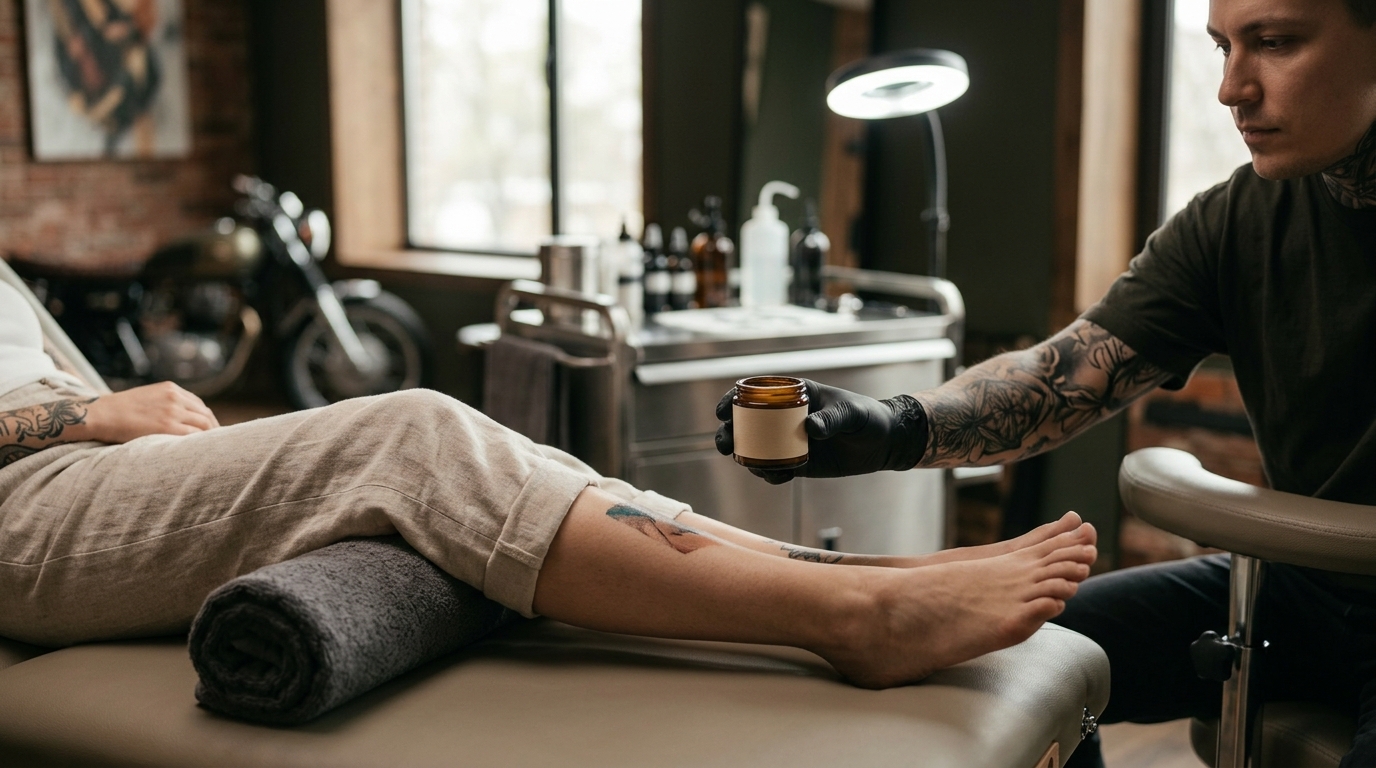
Tattoo numbing products are topical anesthetics designed to minimize discomfort during the tattooing process. These formulations typically contain lidocaine, tetracaine, or prilocaine to temporarily block nerve signals in the skin. The global market for professional tattoo supplies has expanded significantly, with industry reports indicating that the demand for high-quality numbing solutions has grown by over 15% annually in recent years. This growth reflects a broader industry shift toward prioritizing client comfort and artist efficiency. For both seasoned professionals and new artists, sourcing reliable products is critical for maintaining a reputable studio and ensuring positive client experiences.
Understanding Professional Numbing Types
Professional tattoo numbing products are not one-size-fits-all. They are engineered for specific stages of the tattooing process, from pre-session preparation to post-session healing. Understanding these distinctions is vital for artists who want to offer the best service to their clients.
Pre-Session Numbing Creams
Pre-session numbing creams are applied to the skin before the tattoo needle makes contact. These products are designed to penetrate the epidermis and dermis to block pain receptors. A standard professional cream contains a high concentration of active ingredients like lidocaine. According to dermatological studies, effective topical anesthetics must remain on the skin for a specific duration to achieve maximum efficacy. Artists often recommend applying these creams under occlusion to enhance absorption.
During-Session Numbing Sprays
For longer sessions, artists may use numbing sprays. These are applied directly to the tattooed area during breaks in the work. Sprays offer a quick-acting solution that does not require the long waiting periods associated with creams. They are particularly useful for touch-ups or large-scale projects where client comfort is paramount. The convenience of spray application allows artists to maintain workflow without significant interruptions.
Post-Session Aftercare
After the tattoo is complete, the focus shifts to healing and preservation. Professional aftercare products, such as specialized oils and butters, help soothe the skin and prevent excessive scabbing. These products often contain natural ingredients like shea butter, mango butter, and tea tree extract. Proper aftercare is essential for retaining ink vibrancy and ensuring the skin heals correctly. Neglecting this step can lead to poor tattoo outcomes and increased client discomfort.
Key Factors for Sourcing Products
When deciding where to buy professional tattoo numbing products online, several critical factors influence the decision. Artists must prioritize safety, efficacy, and brand reputation over price alone.
Ingredient Transparency
Reputable manufacturers provide full ingredient lists and concentration levels. This transparency allows artists to assess the potency and potential allergens of the product. Products with proprietary blends often lack clear labeling, which can pose risks for clients with sensitive skin. Always verify that the active ingredients are within safe regulatory limits for topical use.
Brand Reputation and Reviews
The tattoo community is highly connected, and brand reputation spreads quickly through social media and professional networks. Brands that are trusted by millions globally often have a track record of consistent quality and customer support. Checking independent reviews and professional endorsements can help identify reliable suppliers. Avoid products with vague marketing claims or lack of verifiable user feedback.
Shipping and Availability
Reliable shipping is crucial for artists who need to restock regularly. Look for suppliers that offer fast, secure shipping options and maintain consistent inventory levels. International shipping capabilities are also important for artists outside the primary market. A supplier that frequently runs out of stock can disrupt an artist's schedule and client bookings.
Top Product Categories for Artists
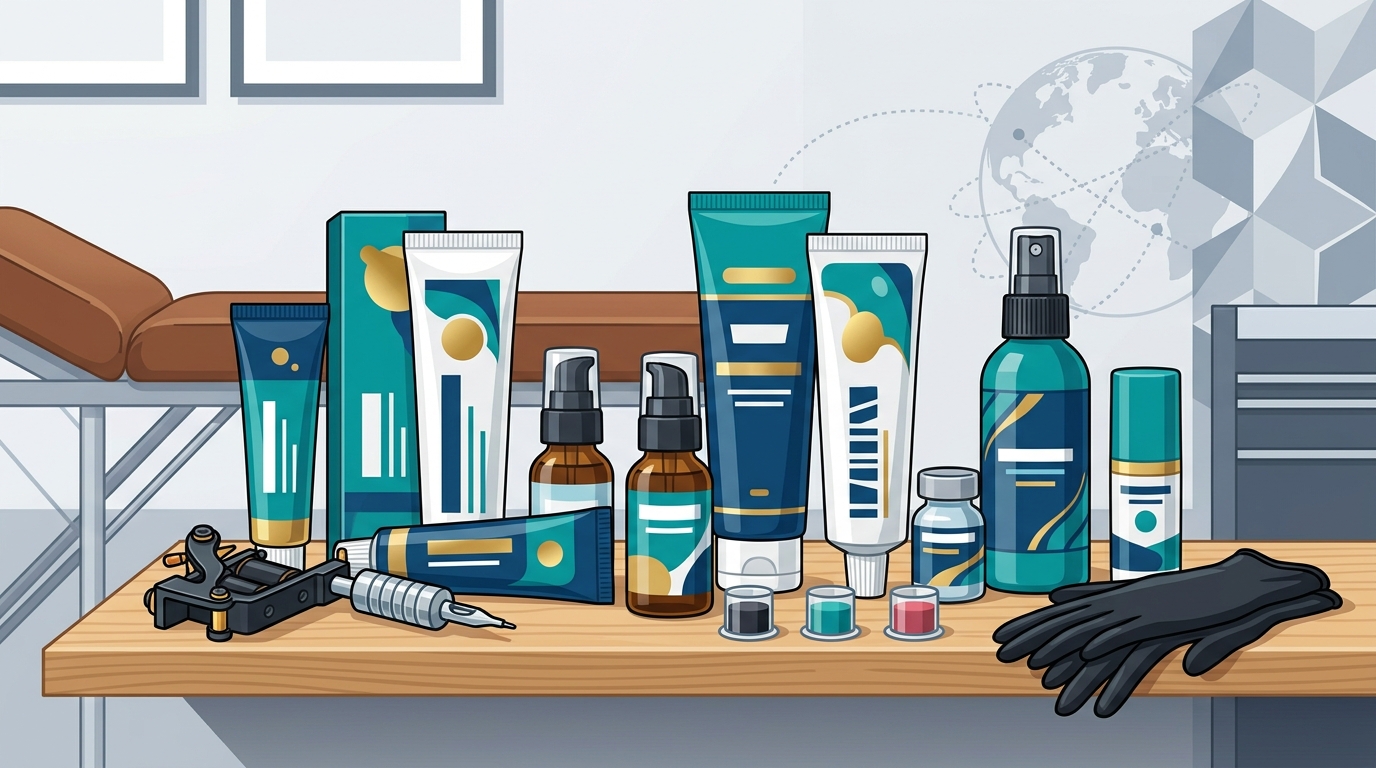
The market offers a variety of products tailored to different needs. Below is a summary of the most common categories available from professional suppliers.
| Product Category | Primary Use | Key Benefits | Typical Price Range |
|---|---|---|---|
| Numbing Creams | Pre-session application | Deep pain relief, long-lasting effect | $25 - $35 |
| Numbing Sprays | During-session touch-ups | Quick application, easy workflow | $35 - $45 |
| Aftercare Oils | Post-session healing | Nourishment, ink preservation | $15 - $25 |
| Aftercare Butters | Post-session moisturizing | Deep hydration, skin softening | $20 - $30 |
Wholesale vs. Retail Purchasing
Artists must decide between purchasing individual units or opting for wholesale packages. This decision depends on their volume of work and budget constraints.
Retail Purchasing
Retail purchasing is ideal for new artists or those with lower client volumes. It allows for flexibility and lower upfront costs. Artists can test different products to find what works best for their specific style and client base. Retail prices are higher per unit, but there is no commitment to large quantities.
Wholesale Packages
Wholesale packages offer significant cost savings for high-volume artists. Buying in bulk, such as 25-packs of cream or 15-packs of spray, reduces the cost per unit substantially. This option is beneficial for studios that use numbing products daily. Wholesale programs often include additional benefits like marketing materials, banners, and signs to help promote the studio's services.
Safety and Regulatory Compliance
Safety is the most critical aspect of using numbing products. Artists must ensure that the products they purchase comply with local health regulations. In many regions, the use of topical anesthetics in tattooing is regulated by health departments. Using non-compliant products can result in legal penalties and harm to clients.
Consulting Medical Professionals
Before using any numbing product, artists should consult with medical professionals or review current health guidelines. Some clients may have allergies or medical conditions that contraindicate the use of certain anesthetics. Always perform a patch test on a small area of skin before full application. This simple step can prevent adverse reactions and ensure client safety.
Proper Storage and Handling
Professional products must be stored correctly to maintain their efficacy. Most numbing creams and sprays should be kept in a cool, dry place away from direct sunlight. Exposure to extreme temperatures can degrade the active ingredients. Proper handling ensures that the product performs as expected during the tattoo session.
Key Takeaways
- Product Variety: Professional numbing products include creams, sprays, and aftercare oils, each serving a specific purpose in the tattooing process.
- Ingredient Safety: Always verify ingredient transparency and regulatory compliance to ensure client safety and legal adherence.
- Brand Trust: Choose brands with a strong reputation and verified reviews, such as those trusted by millions globally.
- Wholesale Savings: High-volume artists can save significantly by purchasing wholesale packs, such as 25-packs of cream.
- Aftercare Importance: Proper aftercare with specialized oils and butters is essential for healing and ink retention.
- Consultation: Always consult medical guidelines and perform patch tests before applying numbing products to clients.
- Storage: Store products in cool, dry conditions to maintain potency and effectiveness.
Frequently Asked Questions
What is the best numbing cream for tattoos?
The best numbing cream depends on individual skin sensitivity and the size of the tattoo. Professional creams with high concentrations of lidocaine are generally recommended for larger areas. It is important to choose a product from a reputable manufacturer with clear ingredient labeling.
How long does tattoo numbing spray last?
Tattoo numbing sprays typically provide relief for 30 to 60 minutes. They are designed for quick application during breaks in the tattooing process. Artists often reapply the spray as needed to maintain comfort throughout the session.
Can I use numbing products on sensitive skin?
Yes, but caution is required. Some numbing products contain ingredients that may irritate sensitive skin. Always perform a patch test 24 hours before the tattoo session. If irritation occurs, discontinue use and consult a medical professional.
Are wholesale tattoo numbing products safe?
Yes, wholesale products are the same as retail products but sold in bulk. They offer cost savings for high-volume artists. Ensure you purchase from authorized distributors to avoid counterfeit or expired products.
What is the difference between numbing cream and spray?
Numbing cream is applied before the session and requires a longer waiting period to take effect. Numbing spray is applied during the session for quick, temporary relief. Creams provide deeper penetration, while sprays offer convenience and speed.
How should I store my numbing products?
Store numbing products in a cool, dry place away from direct sunlight. Extreme temperatures can degrade the active ingredients. Keep the products out of reach of children and pets.
Do I need a prescription for tattoo numbing products?
In many regions, over-the-counter numbing products are available without a prescription. However, regulations vary by location. Always check local health guidelines to ensure compliance. Some high-potency products may require a prescription.
Shop Professional Products
Ready to elevate your tattoo studio's comfort standards? Explore the full range of professional numbing and aftercare products designed for artists. Visit the Painless Tattoo Product Collection to discover creams, sprays, and aftercare solutions. Join the Inkfluencer Program to connect with other professionals and access exclusive deals. For wholesale inquiries, check the Wholesale Section for bulk pricing and studio supplies.