
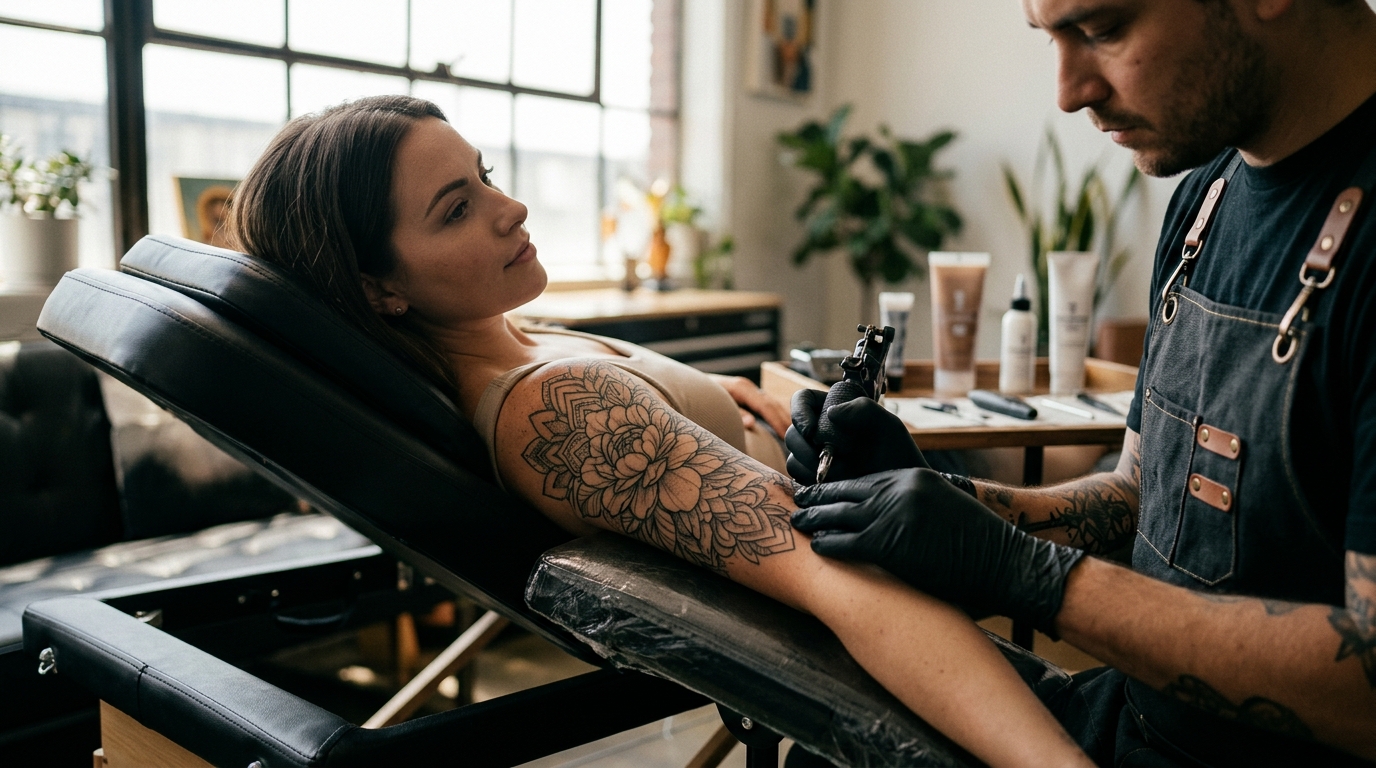
Tattooing is an art form that demands endurance from both the artist and the client. For large-scale projects like full sleeves, back pieces, or detailed realism, the duration of the session can significantly impact comfort levels. According to recent industry data, over 40% of first-time clients cite pain management as their primary concern before booking a large-scale piece. Understanding how to handle pain during a long tattoo session is not just about enduring discomfort; it is about strategic preparation, proper product application, and physiological awareness. This guide provides a comprehensive framework for maintaining comfort throughout your tattoo journey.
Pre-Session Preparation and Physiology
The foundation of pain management begins long before the needle touches your skin. Your body's physiological state directly influences how you perceive pain. Dehydration and low blood sugar are the most common culprits for increased sensitivity and fainting during long sessions.
Hydration and Nutrition
Start hydrating at least 24 hours before your appointment. Well-hydrated skin is more resilient and heals faster. Eat a substantial, balanced meal two hours prior to your session. Avoid alcohol and recreational drugs, as they thin the blood and can lead to excessive bleeding, which interferes with the artist's work and increases tissue trauma.
Sleep and Mental State
Rest is critical. A tired body has a lower pain threshold. Additionally, anxiety can amplify pain perception. Practice deep breathing techniques or meditation to keep your nervous system calm. Trust your artist and communicate openly about your comfort levels.
Strategic Use of Numbing Products
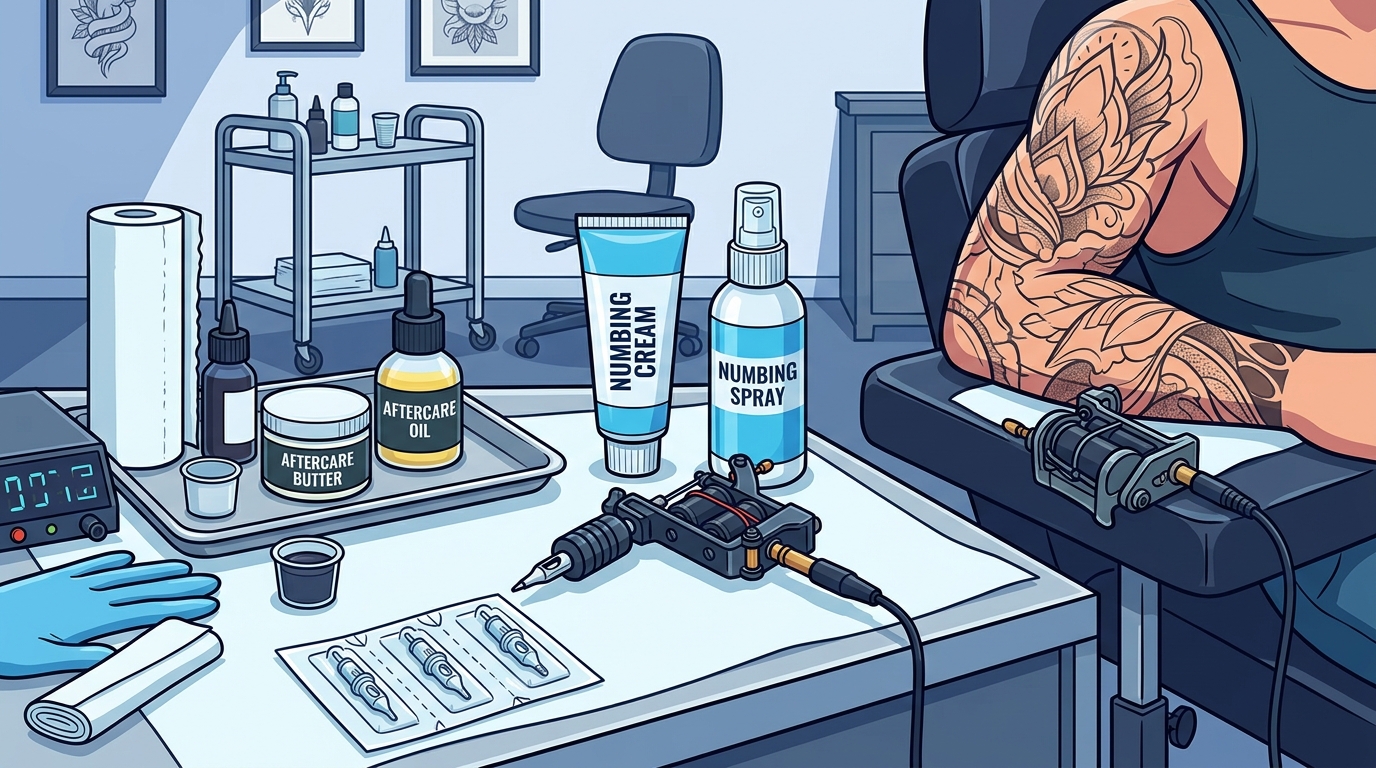
Topical anesthetics have revolutionized the tattooing experience. They are not a substitute for skill but a powerful tool for comfort. Painless Tattoo Numbing Cream is a leading solution in this space, designed to provide fast-acting, long-lasting pain relief.
How Numbing Creams Work
Topical numbing creams typically contain lidocaine, tetracaine, or benzocaine. These ingredients work by blocking the nerve signals in the skin that transmit pain to the brain. For maximum efficacy, the cream must be applied thickly and covered with plastic wrap for 60 to 90 minutes before the session begins. This occlusion allows the active ingredients to penetrate the dermis effectively.
Application Protocol
Do not apply numbing cream immediately before the artist starts. The skin needs time to absorb the product. Many artists prefer to apply the cream themselves to ensure proper coverage and timing. If you bring your own product, ensure it is from a reputable source like Painless Tattoo Products to avoid adverse reactions or ineffective results.
Limitations and Safety
Numbing creams do not eliminate all sensation. You may still feel vibration, pressure, or heat. Overuse can lead to skin irritation or allergic reactions. Always follow the manufacturer's instructions and consult with your artist regarding their preferred numbing protocols.
Pain Management During the Session
Even with preparation and numbing, discomfort can arise during long sessions. Here are strategies to manage pain in real-time.
Breaks and Positioning
Long sessions require regular breaks. Ask your artist for a break every 45 to 60 minutes. This allows your skin to recover and your body to reset. Change your position if possible to improve blood flow and reduce stiffness.
Distraction Techniques
Bring headphones and listen to music, podcasts, or audiobooks. Distraction is a powerful tool for managing pain perception. Engage in light conversation with your artist if it helps you relax, but respect their focus when they are working on detailed areas.
Communication
Be honest with your artist. If you feel dizzy, nauseous, or in severe pain, speak up immediately. Artists are trained to handle these situations and can adjust their technique or take a break to ensure your safety and comfort.
Post-Session Recovery and Aftercare
Proper aftercare is essential for healing and minimizing long-term discomfort. The skin is traumatized during tattooing, and how you treat it afterward affects your healing process.
Cleaning and Moisturizing
Keep the tattoo clean and moisturized. Use a gentle, fragrance-free soap to wash the area. Apply a thin layer of aftercare product like Alpha Tattoo Butter or Alpha Tattoo Oil to keep the skin hydrated and prevent excessive itching or cracking.
Avoiding Irritation
Do not pick at scabs or scratch the healing tattoo. Wear loose, breathable clothing to avoid friction. Avoid sun exposure and swimming pools until the tattoo is fully healed. These steps prevent infection and ensure the best possible outcome.
Managing Inflammation
If you experience significant swelling or redness, apply a cold compress wrapped in a clean cloth. Over-the-counter anti-inflammatory medication can also help, but consult your doctor before taking any new medications.
Product Comparison for Pain Relief
Choosing the right product depends on your specific needs and the artist's preferences. Here is a comparison of popular options.
| Product | Type | Best For | Key Benefit |
|---|---|---|---|
| Painless Tattoo Numbing Cream | Cream | Pre-session numbing | Long-lasting relief |
| Painless Tattoo Numbing Spray | Spray | Quick application | Fast-acting |
| BLT Triple Numb | Blend | Intense pain areas | Triple-action formula |
| Alpha Tattoo Butter | Aftercare | Healing phase | Moisturizing and soothing |
Key Takeaways
- Hydration is Key: Drink plenty of water before your session to improve skin resilience.
- Eat Well: Consume a balanced meal to maintain blood sugar levels and prevent fainting.
- Use Quality Numbing Products: Products like Painless Tattoo Numbing Cream provide effective relief when applied correctly.
- Communicate with Your Artist: Open dialogue ensures your comfort and safety throughout the process.
- Take Breaks: Regular breaks help reset your body and reduce cumulative pain.
- Follow Aftercare Instructions: Proper aftercare minimizes healing time and discomfort.
- Trust the Process: Pain is temporary, but the art is permanent. Focus on the end result.
Frequently Asked Questions
How long does numbing cream last during a tattoo session?
Most numbing creams provide effective relief for 2 to 4 hours. As the session progresses, the effect may diminish, and your artist may recommend reapplication or a different numbing strategy.
Can I use numbing spray instead of cream?
Yes, Painless Tattoo Numbing Spray is a viable alternative. It is often faster to apply and absorbs quickly. However, some artists prefer creams for their thicker consistency and longer-lasting effect.
Does numbing cream affect the tattooing process?
When used correctly, numbing cream should not affect the tattooing process. However, over-application can cause the skin to become too soft or swollen, which may interfere with the artist's ability to deposit ink evenly.
What should I do if I feel faint during my session?
Inform your artist immediately. They will stop working, help you sit up or lie down, and provide water or sugar. Most cases of fainting are due to low blood sugar or anxiety, which can be quickly resolved.
How do I choose the right aftercare product?
Choose a product that is fragrance-free and designed specifically for tattoos. Alpha Tattoo Butter and Alpha Tattoo Oil are popular choices due to their natural ingredients and moisturizing properties.
Is it normal to have pain after the session?
Yes, some discomfort, redness, and swelling are normal for the first few days. Proper aftercare and over-the-counter pain relief can help manage this. If pain persists or worsens, consult a healthcare professional.
Can I bring my own numbing products?
Many artists are open to clients bringing their own products, but it is essential to discuss this beforehand. Ensure the product is from a reputable source like Painless Tattoo Products to avoid adverse reactions.
Book Your Session
Ready to start your tattoo journey with confidence? Understanding how to handle pain during a long tattoo session empowers you to have a better experience. Visit PainlessTattoo to explore our range of numbing and aftercare products. Contact us today to book your appointment and take the first step towards your new art.