
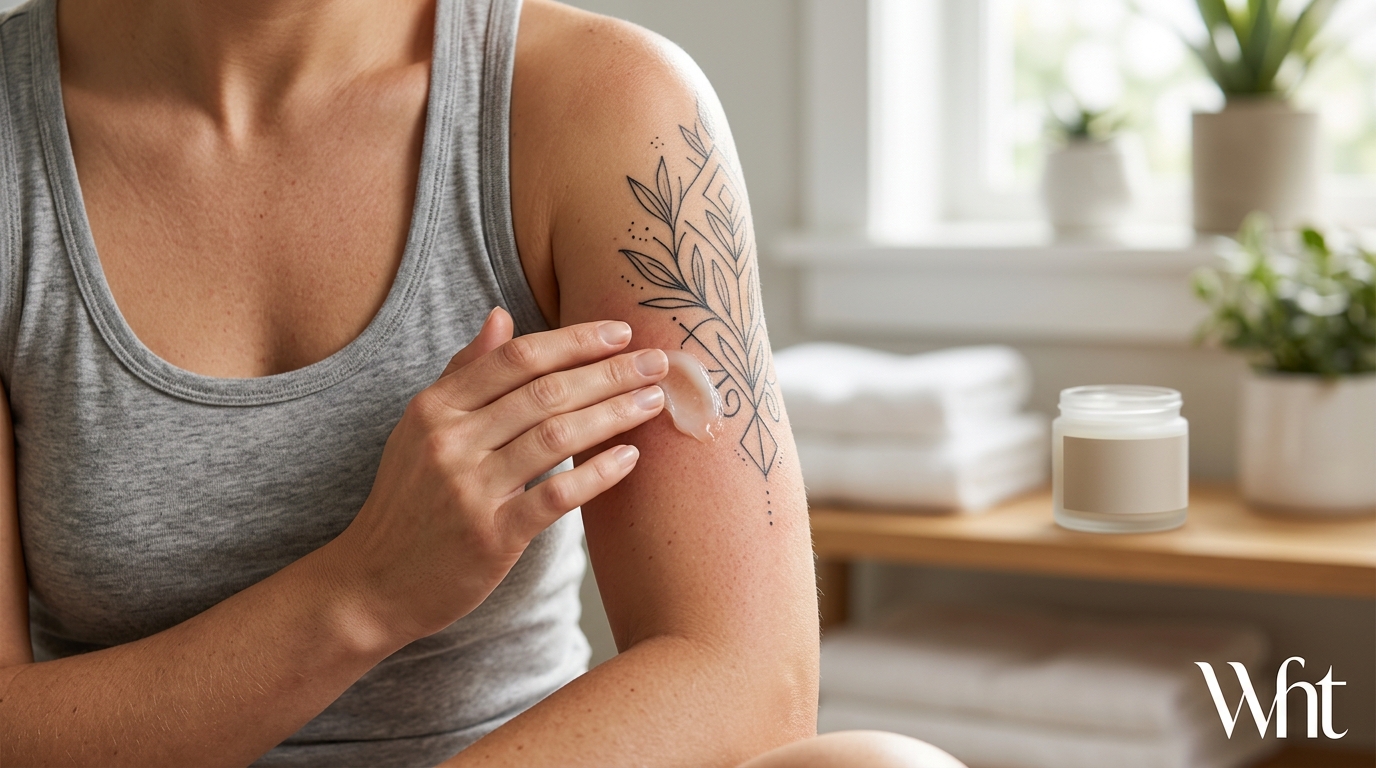
Tattoo aftercare is not a one-size-fits-all process, especially for individuals with reactive skin. Standard aftercare often relies on heavy occlusion or strong fragrances that can trigger contact dermatitis or allergic reactions. For sensitive skin, the goal shifts from aggressive protection to gentle barrier support. This guide outlines a safe, low-irritation routine using clinically minded ingredients to ensure your tattoo heals without compromising your skin health.
Understanding Skin Sensitivity and Tattoos
When you get a tattoo, you are essentially creating thousands of micro-wounds. For sensitive skin, this trauma can lead to prolonged inflammation, itching, or breakout patterns that do not occur in resilient skin types. Sensitive skin is a condition where the skin barrier is compromised, leading to an exaggerated response to minor irritants. This means that standard petroleum-based ointments, while effective for normal skin, can trap heat and bacteria against sensitive pores, causing folliculitis.
Research into dermatological responses to tattoo trauma indicates that the immune system's reaction is heavily influenced by the topical agents applied during the first two weeks. According to dermatological studies on wound healing, maintaining a moist but breathable environment is critical for reducing scarring and irritation. Individuals with eczema or psoriasis must be particularly vigilant about introducing new products to broken skin. The American Academy of Dermatology emphasizes that patch testing is the only reliable way to determine if a product will cause a reaction. Sensitive skin guidelines from the AAD suggest using fragrance-free, hypoallergenic formulations to minimize the risk of allergic contact dermatitis.
Step 1: The Gentle Initial Clean
The first 24 hours are crucial. After your artist removes the initial bandage, you must clean the area without scrubbing. Use a lukewarm water stream and a mild, fragrance-free antibacterial soap. Avoid hot water, as it opens pores and increases blood flow, which can lead to ink bleeding and increased swelling.
Gently pat the area dry with a clean, disposable paper towel. Do not use cloth towels, which harbor bacteria and can snag on healing scabs. The skin should feel clean but not tight or squeaky. If your skin feels tight, it is being stripped of its natural oils, which will exacerbate sensitivity. Verywell Health notes that over-washing is a common mistake that disrupts the skin's microbiome, delaying the healing process for reactive skin types.
Step 2: Selecting Safe Aftercare Products
For sensitive skin, the choice of aftercare product is the most significant variable in your healing outcome. You need products that promote healing without introducing allergens. The Painless Tattoo brand offers specialized lines designed for this exact purpose. Their Alpha Tattoo Oil is formulated with natural extracts that are generally well-tolerated by reactive skin. Unlike traditional petroleum jellies, plant-based oils allow the skin to breathe while providing a protective barrier.
Another excellent option is Alpha Tattoo Butter, which combines shea and mango butters with beeswax. These ingredients are rich in fatty acids that help repair the skin barrier. The inclusion of aloe vera and arnica extract in these formulations provides natural anti-inflammatory properties. Healthline reports that aloe vera has been shown to accelerate wound healing and reduce inflammation in sensitive skin conditions. This makes it an ideal component for tattoo aftercare.
For those who prefer a lighter texture, Alpha Tattoo Whip offers a whipped consistency that absorbs quickly. This reduces the risk of clogging pores, which is a common trigger for breakouts in sensitive individuals. The key is to choose products that list their ingredients transparently and avoid synthetic fragrances.
Step 3: Application Technique for Reactors
How you apply the product is just as important as what you apply. For sensitive skin, the "less is more" rule is paramount. Apply a very thin layer of your chosen product. You should not see a shiny, wet layer on the skin. If you can see the product, you have applied too much.
Excess product traps moisture and heat, creating a breeding ground for bacteria. This can lead to "tattoo acne" or folliculitis, which is particularly painful for sensitive skin. Gently rub the product into the skin until it is fully absorbed. Do this two to three times a day, or whenever the tattoo feels tight or itchy.
Itching is a normal part of the healing process as the skin regenerates. However, for sensitive skin, itching can quickly turn into a rash if scratched. Instead of scratching, apply a cool compress or a small amount of your aftercare product to soothe the area. Mayo Clinic states that keeping the skin moisturized is the primary method for reducing the urge to scratch during wound healing.
Ingredients to Strictly Avoid
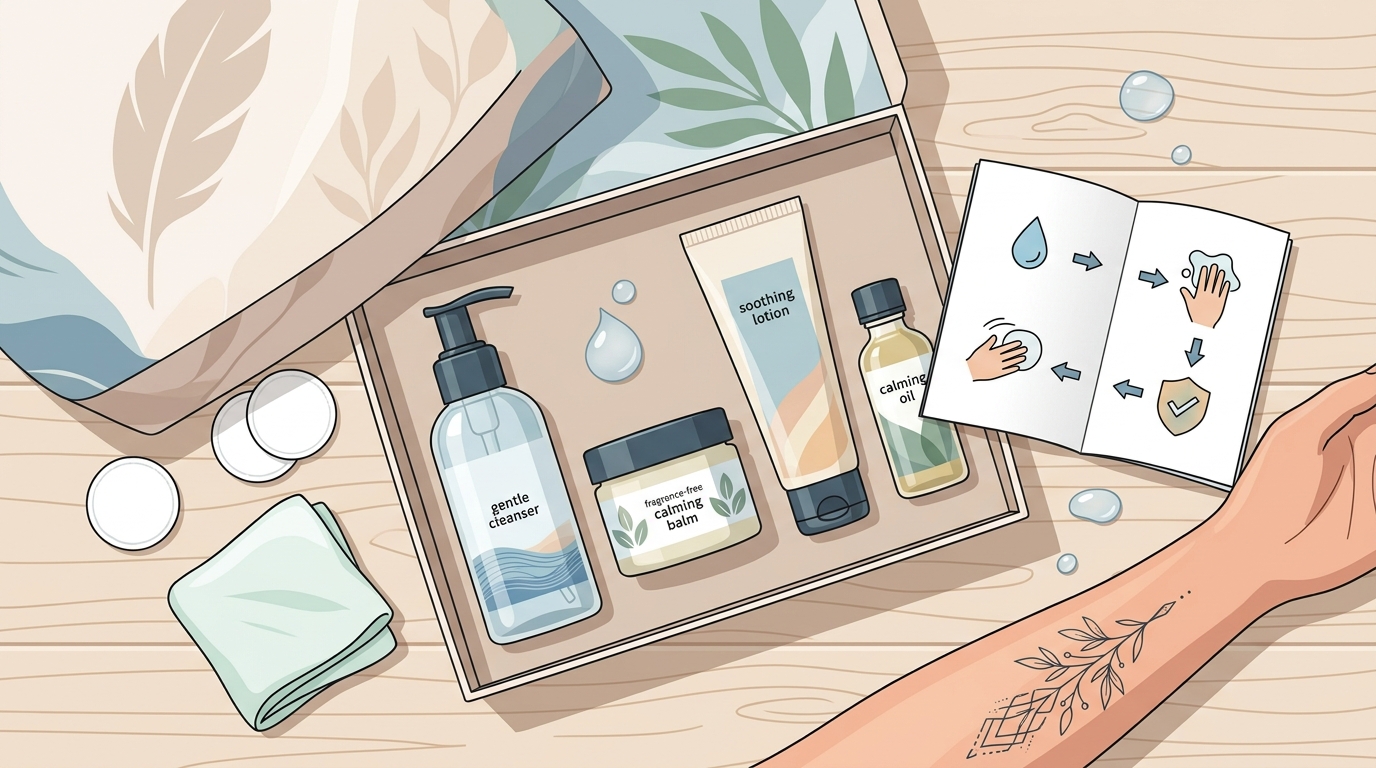
When you have sensitive skin, certain common aftercare ingredients can cause severe reactions. You must avoid products containing:
- Synthetic Fragrances: These are the leading cause of allergic contact dermatitis in skincare. They provide no healing benefit and only add irritation.
- Alcohol: While alcohol kills bacteria, it also strips the skin of its natural oils, leading to excessive dryness and cracking.
- Mineral Oil: This is a heavy occlusive that can trap heat and bacteria against the skin, leading to breakouts.
- Parabens: These preservatives can disrupt the skin's natural balance and cause irritation in reactive individuals.
Always read the label. If you are unsure about an ingredient, consult with a dermatologist before applying it to a fresh tattoo. The Cosmetic Ingredient Review highlights that fragrance mixtures are among the most common allergens in cosmetic products. By avoiding these triggers, you significantly reduce the risk of complications.
Key Takeaways for Sensitive Skin
- Barrier Support: Sensitive skin is a condition where the skin barrier is compromised, leading to an exaggerated response to minor irritants. Focus on repairing this barrier with fatty acids.
- Product Choice: Use fragrance-free, plant-based oils like Alpha Tattoo Oil or butters like Alpha Tattoo Butter.
- Thin Layers: Apply only a thin layer to prevent clogged pores and bacterial growth.
- Patch Test: Always patch test new products on a small area of healthy skin before applying to a fresh tattoo.
- Avoid Irritants: Steer clear of synthetic fragrances, alcohol, and heavy petroleum jellies.
- Gentle Cleaning: Use lukewarm water and mild, fragrance-free soap for the first wash.
- Monitor Reactions: If you experience severe redness, swelling, or pus, consult a medical professional immediately.
Frequently Asked Questions
Can I use Vaseline on a sensitive tattoo?
Vaseline is a heavy occlusive that can trap heat and bacteria. For sensitive skin, this often leads to breakouts and delayed healing. It is generally recommended to use breathable, plant-based alternatives instead.
How long does sensitive skin take to heal from a tattoo?
Sensitive skin may take slightly longer to heal due to prolonged inflammation. The initial healing phase typically lasts 2 to 3 weeks, but full skin regeneration can take up to 4 weeks. Patience is essential.
What is the best soap for sensitive tattoo aftercare?
Look for a fragrance-free, antibacterial soap that is pH balanced. Avoid soaps with harsh exfoliants or strong deodorant properties. Gentle, liquid cleansers are often better than bar soaps.
Is itching normal for sensitive skin tattoos?
Yes, itching is a normal part of the healing process. However, for sensitive skin, it can be more intense. Use a cool compress or a thin layer of aftercare product to soothe the itch without scratching.
Can I use Aloe Vera on a fresh tattoo?
Yes, pure aloe vera is excellent for sensitive skin. It provides natural anti-inflammatory benefits and keeps the area moist. Ensure the product is pure and free of added alcohols or fragrances.
What should I do if my tattoo breaks out in a rash?
If you notice a rash, stop using the current product immediately. Wash the area gently with water and apply a hypoallergenic moisturizer. If the rash persists, consult a dermatologist to rule out an allergic reaction to the ink or the product.
Do I need to bandage a sensitive tattoo?
For the first few hours, your artist may apply a bandage. After that, most sensitive skin experts recommend "airing out" the tattoo as much as possible. Avoid tight, non-breathable bandages for extended periods.
Start Your Safe Healing Journey
Healing a tattoo with sensitive skin requires a strategic approach. By choosing the right products and following a gentle routine, you can protect your skin and preserve your tattoo's vibrancy. Explore the Painless Tattoo product line to find the perfect solution for your skin type. Visit our home page to learn more about our commitment to safe, effective tattoo care.