
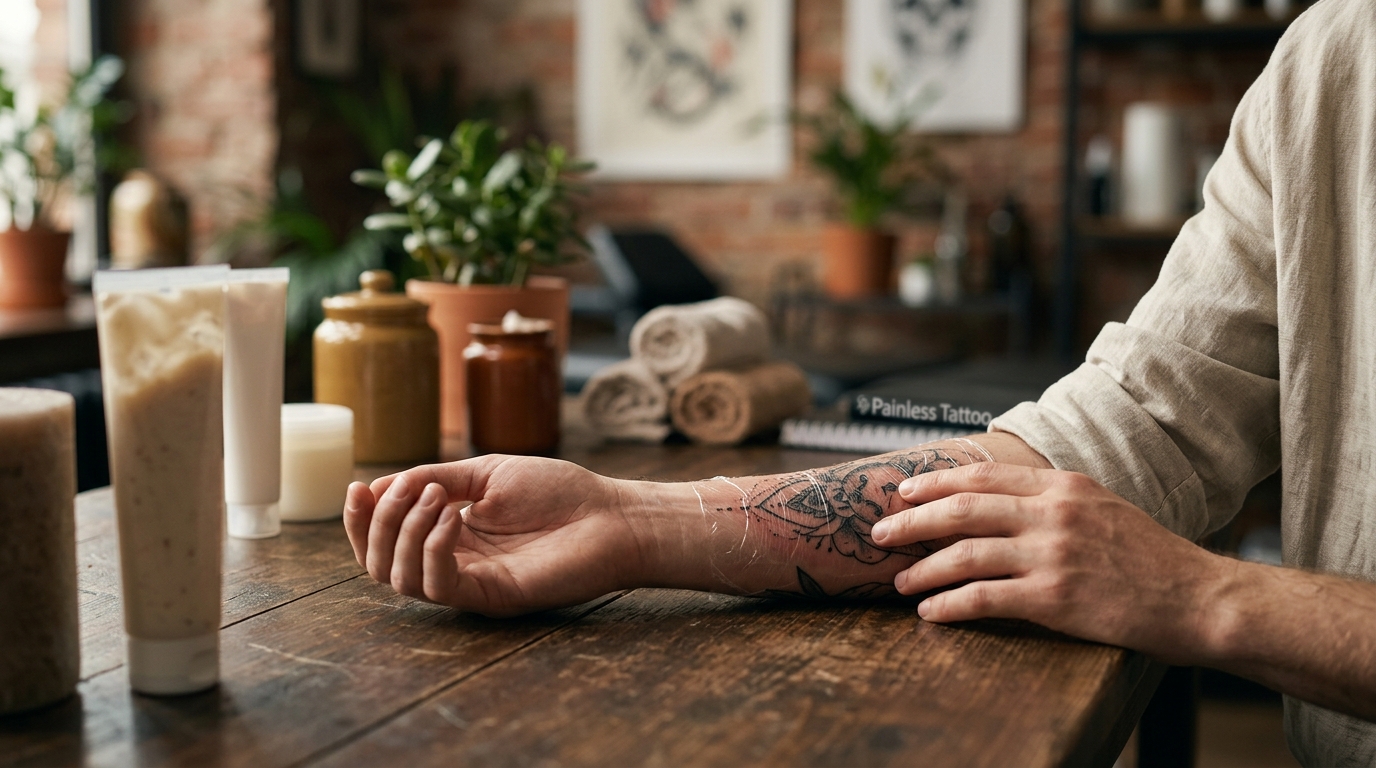
Best Tattoo Aftercare Products to Speed Healing and Reduce Redness
Tattoo aftercare is not merely a suggestion but a critical biological process that determines the longevity and clarity of your new ink. According to recent dermatological studies on skin regeneration, proper wound care can reduce the initial healing timeline by up to 30% compared to neglecting basic hygiene protocols. The skin undergoes a complex inflammatory response immediately after the needle penetrates the dermis, making the selection of the right topical agents essential for minimizing redness and preventing infection. This guide details the most effective products and methodologies to ensure your tattoo heals cleanly and vibrantly.
Understanding the Phases of Tattoo Healing
To select the correct product, you must first understand what your skin is experiencing. Tattooing is essentially a controlled injury. The body responds in three distinct stages: inflammation, proliferation, and remodeling.
During the first 48 hours, the area will be red, swollen, and oozing plasma and excess ink. This is the inflammatory phase. Redness is a natural immune response, not necessarily a sign of infection. During this stage, the primary goal is protection and moisture balance. You need a barrier that keeps bacteria out while allowing the skin to breathe.
From day three to day seven, the tattoo will begin to itch and peel. This is the proliferation phase where new skin cells are forming. At this point, heavy ointments can suffocate the skin, leading to clogged pores and increased redness. Switching to a lighter, non-comedogenic lotion is crucial. The skin is fragile, and excessive friction from dryness will cause scabbing, which pulls ink out of the dermis.
The final phase, remodeling, can last several weeks. The surface may look healed, but the deeper layers are still stabilizing. Consistent moisturizing during this period helps maintain elasticity and prevents the tattoo from looking dull or grayed out over time.
Top Product Categories for Aftercare
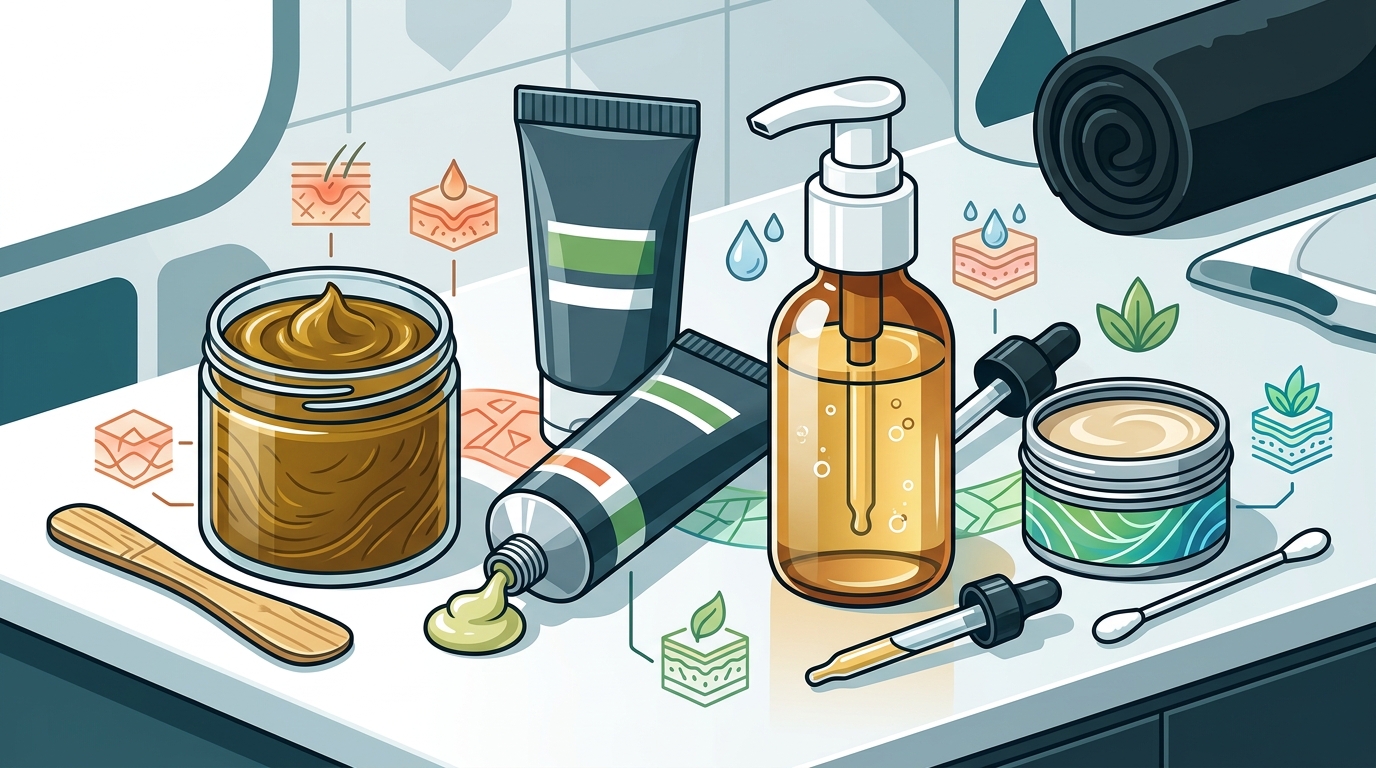
Not all aftercare products are created equal. The market is flooded with options, but only a few have been proven to support the biological healing process without causing adverse reactions. We categorize these into three main groups: medical-grade ointments, specialized balms, and natural alternatives.
Medical-Grade Ointments
For the first few days, many professional artists recommend medical-grade ointments. These are typically petroleum-based or lanolin-based formulations designed to create an occlusive barrier. They lock in moisture and prevent scab formation. However, they must be applied in very thin layers. Over-application is the leading cause of tattoo blowouts and prolonged redness because it traps heat and bacteria against the skin.
Specialized Tattoo Balms
Specialized balms have gained popularity for their ability to balance hydration with breathability. These products often contain ingredients like panthenol, allantoin, and vitamin E. Panthenol is a provitamin of B5 that accelerates skin regeneration. Allantoin soothes irritated skin and promotes cell growth. These balms are ideal for the peeling stage because they do not suffocate the skin like heavy ointments.
Natural Alternatives
For clients with sensitive skin or those who prefer organic solutions, natural alternatives are effective. Manuka honey is a powerful antibacterial agent that has been shown in clinical trials to reduce inflammation and speed up wound closure. It creates a moist wound environment without the risk of clogging pores associated with petroleum. Another excellent option is aloe vera gel, which provides immediate cooling relief for redness and itching.
Natural vs. Synthetic Aftercare Solutions
The debate between natural and synthetic aftercare products often confuses new tattoo recipients. Neither is inherently superior; the choice depends on your skin type and the stage of healing.
Synthetic products offer consistency and sterility. They are manufactured in controlled environments, ensuring that every jar contains the exact same concentration of active ingredients. This reliability is crucial in the first 48 hours when the risk of infection is highest. Medical-grade ointments are sterile and free from the allergens that can sometimes be found in natural plant extracts.
Natural products, on the other hand, are often gentler on the skin once the initial wound has closed. They contain fewer preservatives and synthetic fragrances that can irritate healing tissue. For example, tea tree oil has antimicrobial properties, but it must be diluted properly to avoid chemical burns on fresh skin. Natural solutions are best utilized from day four onwards, when the skin barrier is beginning to restore itself.
Correct Application Protocol
Using the right product is only half the battle. The method of application determines how well your tattoo heals. Follow this protocol strictly to minimize redness and scarring.
- Wash Your Hands: Never touch your tattoo with unwashed hands. Bacteria on your fingers can introduce infection directly into the open wound.
- Gentle Cleansing: Use a fragrance-free, antibacterial soap to wash the tattoo twice daily. Use your fingertips, not a washcloth, to avoid abrasion. Pat dry with a clean paper towel. Do not rub.
- Thin Layer Application: Apply a pea-sized amount of ointment or balm. Spread it until it is almost invisible. The skin should look moist, not shiny or greasy. If you can see a white layer of product, you have applied too much.
- Frequency: Apply product 2-3 times a day. Over-moisturizing is as dangerous as under-moisturizing. It prevents oxygen from reaching the skin, which delays healing.
Common Mistakes to Avoid
Even with the best products, poor habits can ruin your tattoo. Avoid these common pitfalls to ensure a clear, vibrant result.
Picking and Scratching: As the tattoo peels, it will itch. Picking at the flakes can pull ink out of the dermis, creating patchy spots. Scratching can also introduce bacteria and cause scarring. If the itch is unbearable, apply a thin layer of balm to soothe the area.
Using Heavy Fragrances: Many standard lotions contain fragrances that are irritating to healing skin. Always check the ingredient list. If it smells strongly of perfume or citrus, put it down. Stick to unscented, hypoallergenic formulations.
Exposing to Sun: UV rays are the enemy of healing tattoos. Fresh ink is highly susceptible to sunburn, which can cause blistering and permanent fading. Keep the tattoo covered or out of direct sunlight for at least four weeks. After healing, always apply SPF 30 or higher to maintain color integrity.
Key Takeaways
- Initial Care: Use a medical-grade ointment for the first 48 hours to create a sterile barrier.
- Transition: Switch to a specialized balm containing panthenol or allantoin once peeling begins.
- Hydration Balance: Apply product in thin layers to prevent suffocation of the skin.
- Natural Options: Manuka honey is an effective natural alternative for its antibacterial properties.
- Hygiene: Wash hands before touching the tattoo and use fragrance-free soap for cleansing.
- Protection: Avoid sun exposure and picking at peeling skin to prevent ink loss.
- Long-term: Continue moisturizing for several weeks to support the remodeling phase of healing.
Frequently Asked Questions
How long does tattoo redness typically last?
Mild redness and swelling are normal for the first 24 to 48 hours. If redness persists beyond three days or spreads, it may indicate an infection, and you should consult a medical professional.
Can I use Vaseline on my new tattoo?
While Vaseline is an occlusive barrier, it is not breathable and can trap bacteria. It is generally recommended to use products specifically formulated for tattoo aftercare, such as those found in our Aftercare Guide, which are designed to balance moisture and oxygenation.
What is the best natural product for tattoo healing?
Manuka honey is widely regarded as the most effective natural product due to its high antibacterial and anti-inflammatory properties. It promotes moist wound healing without clogging pores.
How often should I moisturize my tattoo?
Moisturize 2 to 3 times a day. The goal is to keep the skin supple, not saturated. If the tattoo feels tight or dry, apply a thin layer of balm.
Does the type of ink affect healing time?
While the ink itself does not significantly change the biological healing process, darker inks may appear to heal faster visually. However, the skin healing timeline remains consistent regardless of ink color. For more details on ink safety, refer to our Ink Safety Standards article.
Can I swim in a pool while my tattoo is healing?
No. Submerging a fresh tattoo in pools, hot tubs, or oceans introduces bacteria and chemicals that can cause infection and fade the ink. Wait until the tattoo is fully healed, which typically takes 2 to 4 weeks.
What should I do if my tattoo itches excessively?
Apply a thin layer of unscented balm to soothe the itch. Avoid scratching, as this can damage the new skin and pull out ink. If itching is accompanied by heat or pus, seek medical advice.
Schedule Your Consultation
Proper aftercare is the final step in achieving a flawless tattoo. At Painless Tattoo, we provide comprehensive aftercare kits and personalized guidance to ensure your skin heals perfectly. Our team of expert artists is dedicated to your satisfaction and safety. Visit our Services Page to learn more about our techniques, or Contact Us to schedule your appointment today. We are committed to making your tattoo journey as smooth and painless as possible.