
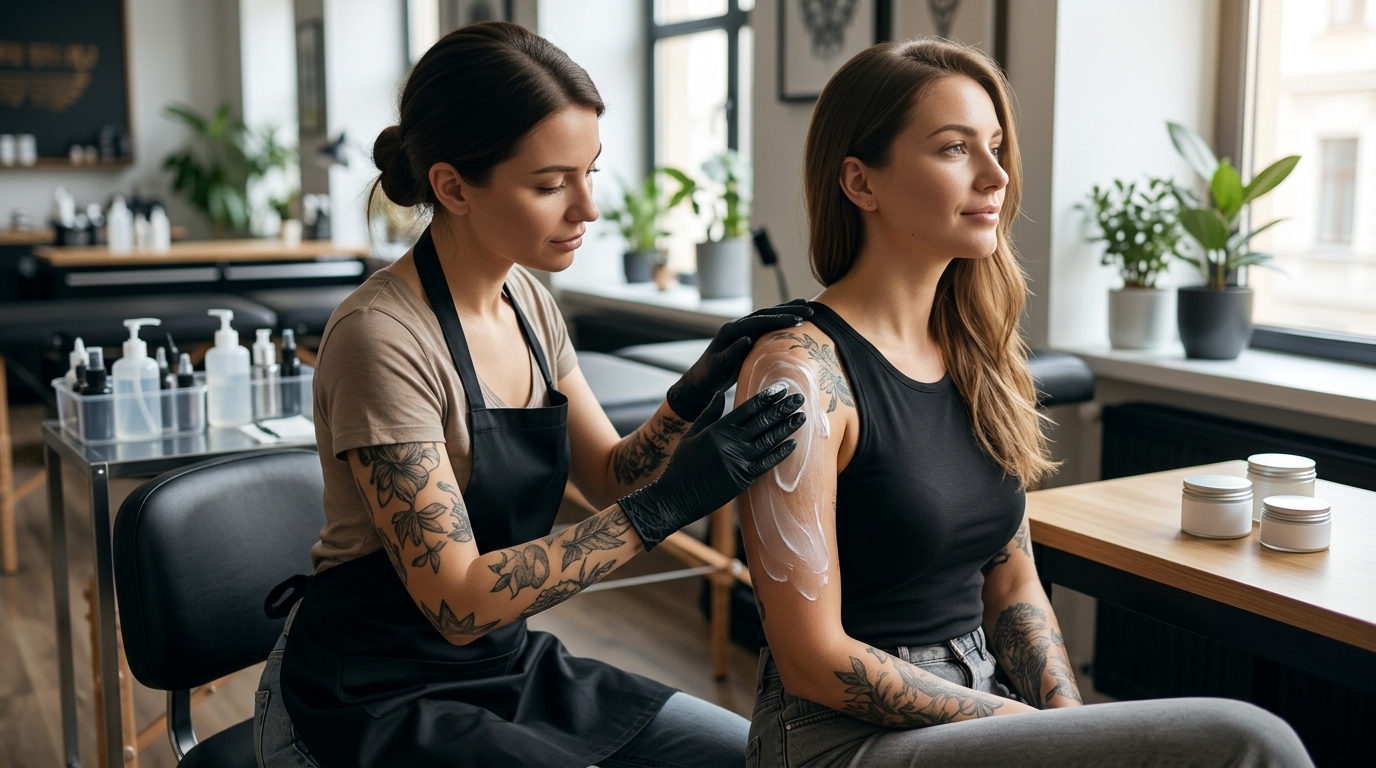
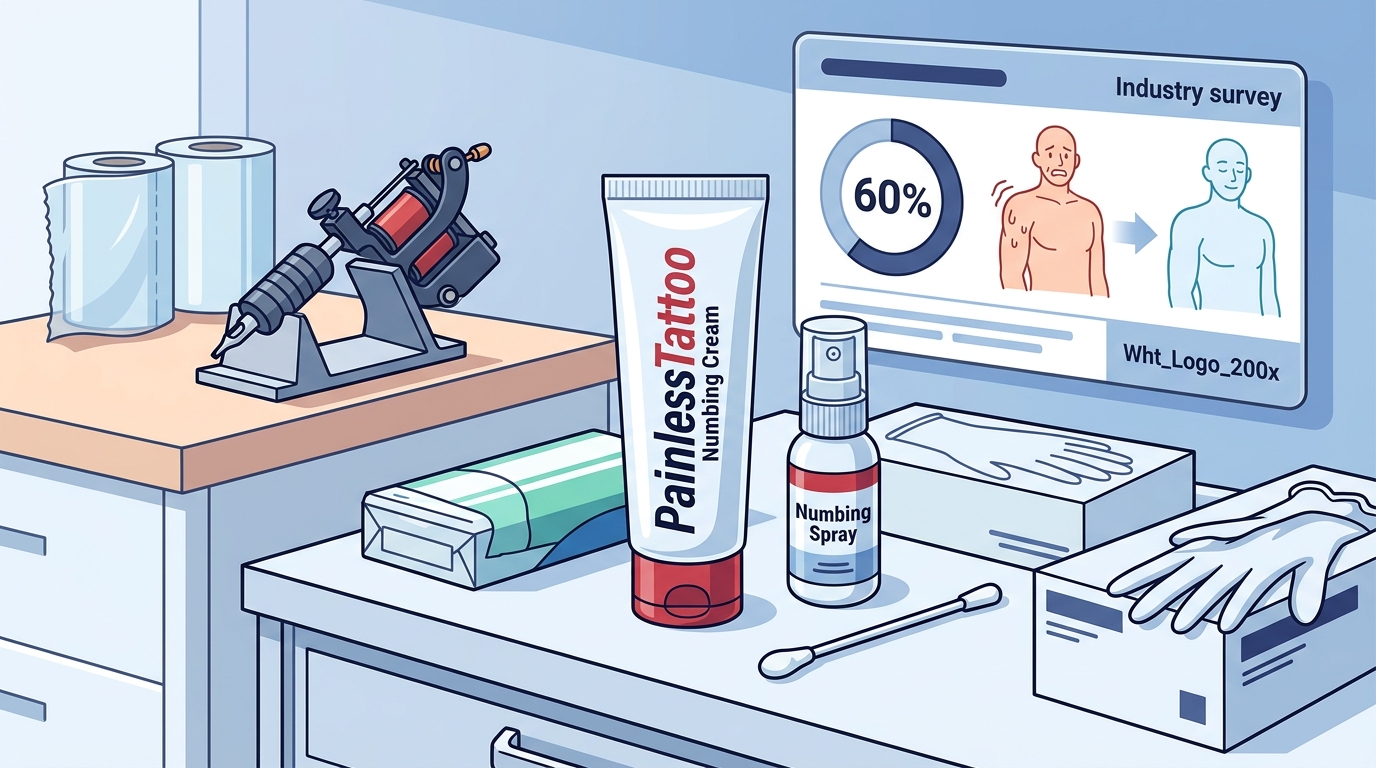
Understanding how to manage discomfort is critical for both artists and clients. According to recent industry surveys, over 60% of first-time tattoo clients cite pain as their primary anxiety factor before booking a session. This statistic highlights the urgent need for reliable numbing strategies that ensure a smooth, professional experience. At Painless Stattoo, we prioritize client comfort through advanced topical solutions and expert application techniques. This guide explores the most effective methods to minimize pain while maintaining skin integrity and ink quality.
Understanding Numbing Agents
Tattoo numbing solutions work by temporarily blocking nerve signals in the skin. These agents typically rely on local anesthetics that interfere with sodium channels in nerve cells. This mechanism prevents the transmission of pain impulses to the brain. The effectiveness of these solutions depends on concentration, application time, and skin type.
Not all numbing products are created equal. Some contain lidocaine, while others use tetracaine or prilocaine. Each ingredient has distinct properties regarding onset time and duration. Understanding these differences helps clients choose the right product for their specific tattoo size and location.
At Painless Stattoo, we evaluate each client's pain threshold individually. We recommend starting with a consultation to discuss medical history and previous experiences with numbing creams. This personalized approach ensures safety and optimal comfort during the procedure.
Topical Anesthetics Explained
Topical anesthetics are the most common form of tattoo numbing. These creams are applied directly to the skin before the tattooing begins. They penetrate the epidermis to numb the surface layers where the needle primarily operates.
Lidocaine is the gold standard in topical anesthesia. It is a fast-acting amide local anesthetic. Lidocaine is a medication that blocks nerve signals in the body. It typically takes 30 to 60 minutes to reach peak effectiveness. The effects can last for several hours, depending on the concentration used.
Another effective option is EMLA cream. This combination contains lidocaine and prilocaine. EMLA cream is a topical medication used to numb the skin. It is often prescribed for minor surgical procedures and is widely available. However, it requires a longer application time, usually two hours, to be fully effective.
For larger tattoos, artists may use stronger formulations. These often include higher percentages of lidocaine or additional agents like epinephrine. Epinephrine constricts blood vessels, which slows the absorption of the anesthetic and reduces bleeding. This allows the numbing effect to last longer during extended sessions.
Application Protocols
Proper application is just as important as the product itself. Incorrect use can lead to uneven numbing or skin irritation. The process generally involves cleaning the area, applying a thick layer of cream, and covering it with plastic wrap.
Plastic wrap creates an occlusive barrier. This barrier increases skin hydration and enhances the penetration of the anesthetic. Without this step, the cream may evaporate or rub off, reducing its efficacy. Proper skin preparation is essential for maximizing the numbing effect.
Timing is critical. Most creams require at least 45 to 60 minutes to work. Some stronger formulations may need up to two hours. Artists should not rush this process. Applying the tattoo before the anesthetic has fully penetrated can result in significant pain and poor ink retention.
After the application time, the cream must be thoroughly removed. Residue can interfere with the tattooing process and cause ink to spread unevenly. A gentle wipe with a sterile cloth is usually sufficient. The skin should be dry before the artist begins.
Comparison of Options
Choosing the right numbing solution depends on several factors. Below is a comparison of common options to help you make an informed decision.
| Product Type | Active Ingredient | Onset Time | Duration | Best For |
|---|---|---|---|---|
| Standard Lidocaine Cream | Lidocaine (5%) FDA approved |
30-45 mins | 1-2 hours | Small to medium tattoos |
| EMLA Cream | Lidocaine + Prilocaine | 60-120 mins | 2-3 hours | Sensitive areas |
| Stronger Formulations | Lidocaine + Epinephrine | 45-60 mins | 3-4 hours | Large sessions |
| Natural Alternatives | Clove Oil / Benzocaine | 15-30 mins | 30-60 mins | Mild discomfort |
Each option has its pros and cons. Standard lidocaine is widely available and effective for most clients. EMLA cream is gentler but requires more time. Stronger formulations are ideal for long sessions but may carry a higher risk of side effects. Natural alternatives offer a milder numbing effect and are suitable for those with sensitive skin or allergies to synthetic ingredients.
Safety Considerations
Safety is the top priority when using numbing solutions. Overuse can lead to systemic toxicity. Symptoms of toxicity include dizziness, nausea, and irregular heartbeat. It is crucial to follow dosage guidelines strictly.
Some individuals may have allergic reactions to local anesthetics. A patch test is recommended before full application. Apply a small amount to a discreet area and wait 24 hours. If no reaction occurs, the product is likely safe for use.
Consulting with a medical professional is advisable for those with underlying health conditions. Heart problems, liver disease, or skin conditions can affect how the body processes anesthetics. Mayo Clinic guidelines emphasize the importance of medical consultation before using strong topical anesthetics.
At Painless Stattoo, we adhere to strict safety protocols. Our artists are trained to monitor clients for signs of discomfort or adverse reactions. We prioritize your well-being above all else.
Key Takeaways
- Lidocaine is the most common and effective topical anesthetic for tattoos.
- Application time is critical, typically requiring 45 to 60 minutes for full effect.
- Plastic wrap enhances absorption by creating an occlusive barrier.
- EMLA cream offers a longer-lasting numbing effect but requires a two-hour application.
- Safety first: Always follow dosage guidelines and consult a doctor if you have health concerns.
- Professional application at a reputable studio like Painless Stattoo ensures optimal results.
- Natural alternatives like clove oil provide mild relief for sensitive skin.
Frequently Asked Questions
How long does tattoo numbing cream last?
Most standard numbing creams last between one to two hours. Stronger formulations with epinephrine can last up to four hours. The duration depends on the concentration and individual metabolism.
Is it safe to use numbing cream for tattoos?
Yes, it is generally safe when used correctly. However, overuse can lead to toxicity. Always follow the instructions on the product label and consult a professional.
Can numbing cream affect the tattoo outcome?
If applied incorrectly, it can cause ink to spread or fade. Proper removal of the cream before tattooing is essential. American Dental Association principles on topical safety apply similarly to dermatological applications.
Does numbing cream hurt when applied?
Applying the cream itself is painless. However, removing the plastic wrap and wiping off the cream can be slightly uncomfortable. The tattooing process should be significantly less painful.
Can I use numbing cream on any part of the body?
Yes, but effectiveness varies by location. Areas with thinner skin, like the wrists, may absorb the cream faster. Thicker skin, like the back, may require longer application times.
Are there natural alternatives to numbing cream?
Yes, clove oil and benzocaine-based products are natural alternatives. They provide milder numbing effects and are suitable for those with sensitivities to synthetic ingredients.
Should I consult my artist before using numbing cream?
Absolutely. Your artist needs to know what you are using to adjust their technique accordingly. Contact Painless Stattoo to discuss your preferences.
Book Your Consultation
Ready to get your tattoo with minimal pain? Schedule a consultation with Painless Stattoo today. Our expert team will guide you through the best numbing options for your specific needs. We ensure a comfortable, professional, and high-quality tattooing experience.