
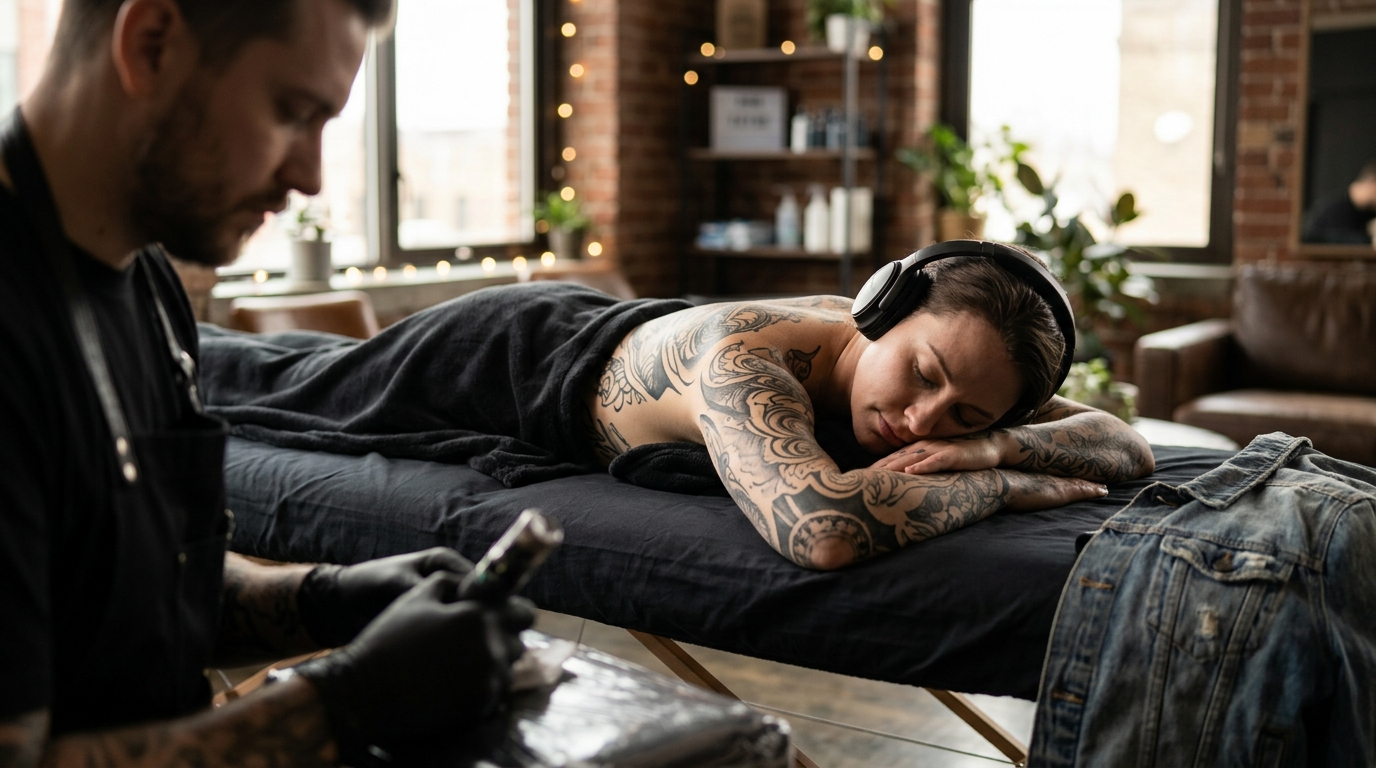
Long tattoo sessions are a test of endurance as much as they are an artistic endeavor. According to recent industry surveys, over 60% of clients report significant discomfort during sessions exceeding four hours, making pain management a critical component of the tattooing experience. At Painless Tattoo, we understand that the journey to a masterpiece requires both mental fortitude and physical preparation. This guide outlines proven strategies to help you navigate extended appointments with minimal discomfort and maximum satisfaction.
Pre-Appointment Preparation
The foundation of pain management is laid long before you sit in the chair. Proper preparation can significantly alter your pain threshold and overall experience. One of the most common mistakes clients make is arriving hungry or dehydrated. Your body needs fuel to handle the stress of the procedure.
Nutrition and Hydration
Eat a substantial meal two to three hours before your appointment. Focus on complex carbohydrates and proteins to provide sustained energy. Avoid sugary snacks that might cause a blood sugar crash midway through the session. Hydration is equally important. Drink plenty of water in the days leading up to your tattoo. Well-hydrated skin is more resilient and easier to work with, which can reduce the trauma to the tissue.
Sleep and Rest
Fatigue lowers your pain tolerance. Ensure you get a full night's sleep before your appointment. If you are scheduling a multi-session piece, plan your rest days carefully. Our tattoo process is designed to be efficient, but your body still needs adequate recovery time between sessions. Arriving well-rested allows you to focus on the art rather than the ache.
Avoid Alcohol and Blood Thinners
Never consume alcohol before your tattoo session. Alcohol thins your blood, leading to excessive bleeding. This can wash out ink, blur lines, and prolong the healing process. It also increases sensitivity and pain. Avoid aspirin or other non-steroidal anti-inflammatory drugs (NSAIDs) unless prescribed by a doctor, as they also thin the blood. Acetaminophen is a safer alternative if you need pain relief, but consult your artist first.
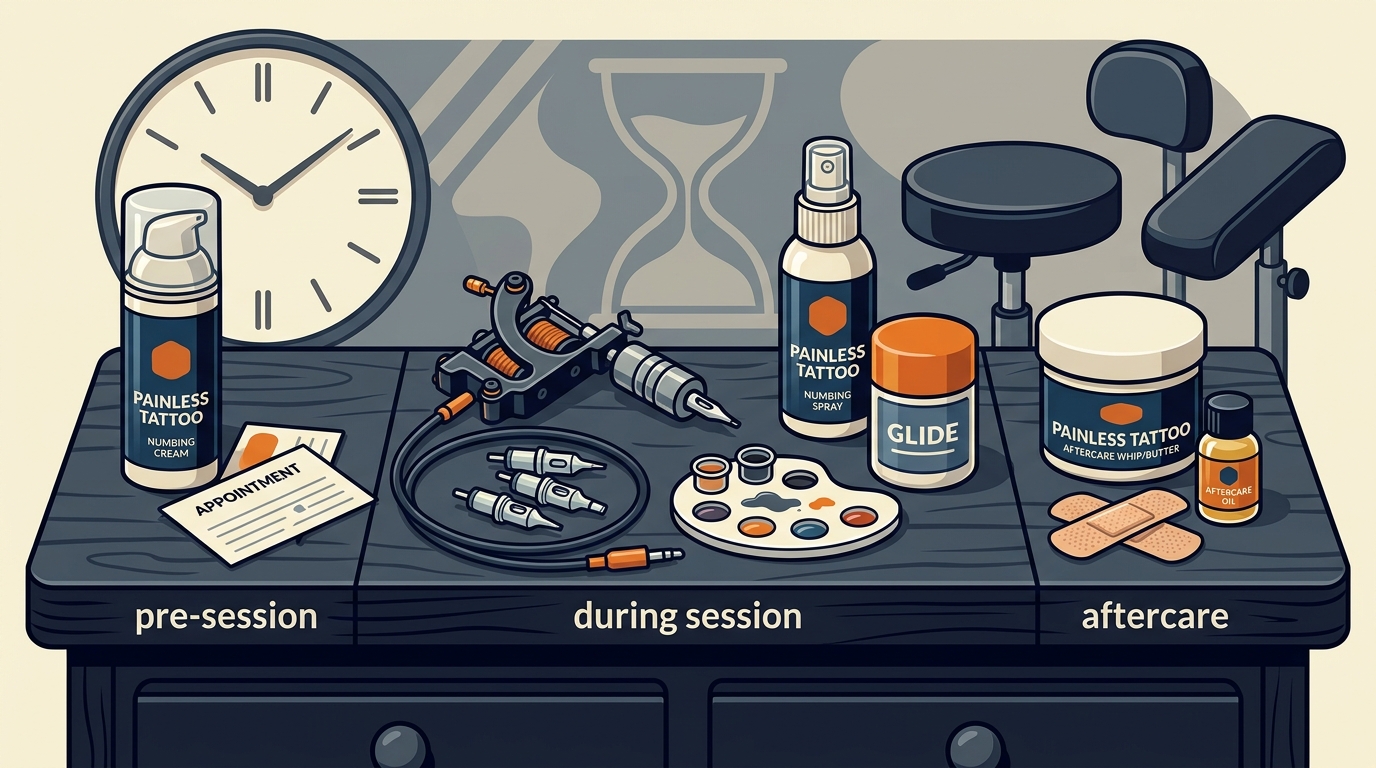
During the Session: Physical Comfort
Once you are in the chair, physical comfort becomes the immediate priority. Working with your artist is key to maintaining a comfortable position for hours on end.
Positioning and Support
Do not be afraid to ask for adjustments. If your arm is cramping, let your artist know. They can reposition you or provide pillows for support. Our studio environment is equipped with ergonomic chairs and cushions to help you stay comfortable. Staying still is important for the artist, but minor adjustments can prevent muscle fatigue.
Breaks and Pacing
For long sessions, scheduled breaks are essential. Most artists will suggest a break every two hours. Use this time to stretch, eat a snack, and drink water. This helps reset your pain receptors and provides a mental break. Understanding pain levels by body part can help you plan these breaks effectively. Areas with more nerve endings may require more frequent pauses.
Topical Anesthetics
Some clients use topical numbing creams. While these can help, they must be used correctly. Overuse can damage the skin and affect ink retention. Always discuss numbing options with your artist beforehand. Contact us to discuss your specific needs and whether numbing is appropriate for your design and placement.
Mental Strategies for Endurance
Pain is not just physical; it is also psychological. Managing your mindset can make a significant difference in how you perceive discomfort.
Distraction Techniques
Bring headphones and listen to music, podcasts, or audiobooks. Distraction is one of the most effective ways to manage pain. Engaging your brain in another activity can reduce the focus on the sensation of the needle. Ensure the volume is not so loud that you cannot communicate with your artist.
Breathing Exercises
Deep, controlled breathing helps relax your muscles and calm your nervous system. Try box breathing: inhale for four seconds, hold for four seconds, exhale for four seconds, and hold for four seconds. This technique can lower your heart rate and reduce anxiety. Book a consultation to discuss any anxiety you may have about the process.
Positive Visualization
Focus on the end result. Visualize the finished tattoo and how proud you will be. This positive reinforcement can help you push through the difficult moments. Remember that the pain is temporary, but the art is permanent.
Post-Session Recovery
After a long session, your body will be tired and your skin will be sensitive. Proper aftercare is crucial for healing and minimizing lingering discomfort.
Immediate Aftercare
Follow your artist's aftercare instructions precisely. This typically involves keeping the tattoo clean and moisturized. Avoid tight clothing that might rub against the fresh tattoo. Our aftercare guide provides detailed instructions for optimal healing.
Rest and Recovery
Plan to rest after your appointment. Avoid strenuous exercise for at least 24 hours. Your body is working hard to heal, and additional physical stress can impede the process. Stay hydrated and eat nutritious meals to support your immune system.
Managing Swelling and Redness
Some swelling and redness is normal. If discomfort persists, you can apply a cold compress wrapped in a clean cloth to the area. Do not apply ice directly to the tattoo. If you experience excessive pain, heat, or pus, contact your artist or a healthcare provider immediately.
Frequently Asked Questions
How long can I stay in a tattoo chair?
Most artists recommend sessions lasting no more than six to eight hours for a single sitting. Beyond this, the skin becomes too traumatized to hold ink effectively, and the client's pain tolerance diminishes significantly. For larger pieces, we split the work into multiple sessions.
Does eating before a tattoo help with pain?
Yes, eating a balanced meal helps stabilize your blood sugar levels. Low blood sugar can lead to dizziness, fainting, and increased sensitivity to pain. It also provides the energy needed to sit still for extended periods.
Can I take painkillers before my tattoo?
Avoid aspirin and ibuprofen as they thin the blood. Acetaminophen is generally safer but consult your artist first. It is best to rely on preparation and mental strategies rather than medication.
What is the most painful place to get a tattoo?
Areas with thin skin and many nerve endings, such as the ribs, spine, and feet, are typically more painful. Our pain chart provides a detailed breakdown by body part.
How do I know if my tattoo is infected?
Signs of infection include excessive redness, swelling, warmth, pus, and fever. If you notice these symptoms, seek medical attention immediately. Normal healing involves some redness and itching, but it should subside within a few days.
Is it normal to cry during a tattoo?
Yes, it is completely normal. Pain, anxiety, and emotional release can all contribute to tears. Your artist is trained to handle this and will ensure you are comfortable. Do not feel embarrassed.
How does hydration affect tattoo pain?
Well-hydrated skin is more elastic and resilient. This allows the needle to glide more smoothly, reducing trauma to the skin and potentially lowering pain levels. Dehydrated skin is more sensitive and prone to bleeding.
Start Your Journey with Painless Tattoo
Managing pain during a long tattoo session is about preparation, communication, and mindset. By following these tips and working closely with your artist, you can ensure a comfortable and positive experience. At Painless Tattoo, we are dedicated to making your tattoo journey as smooth as possible. Contact us today to schedule your consultation and begin creating your masterpiece.