
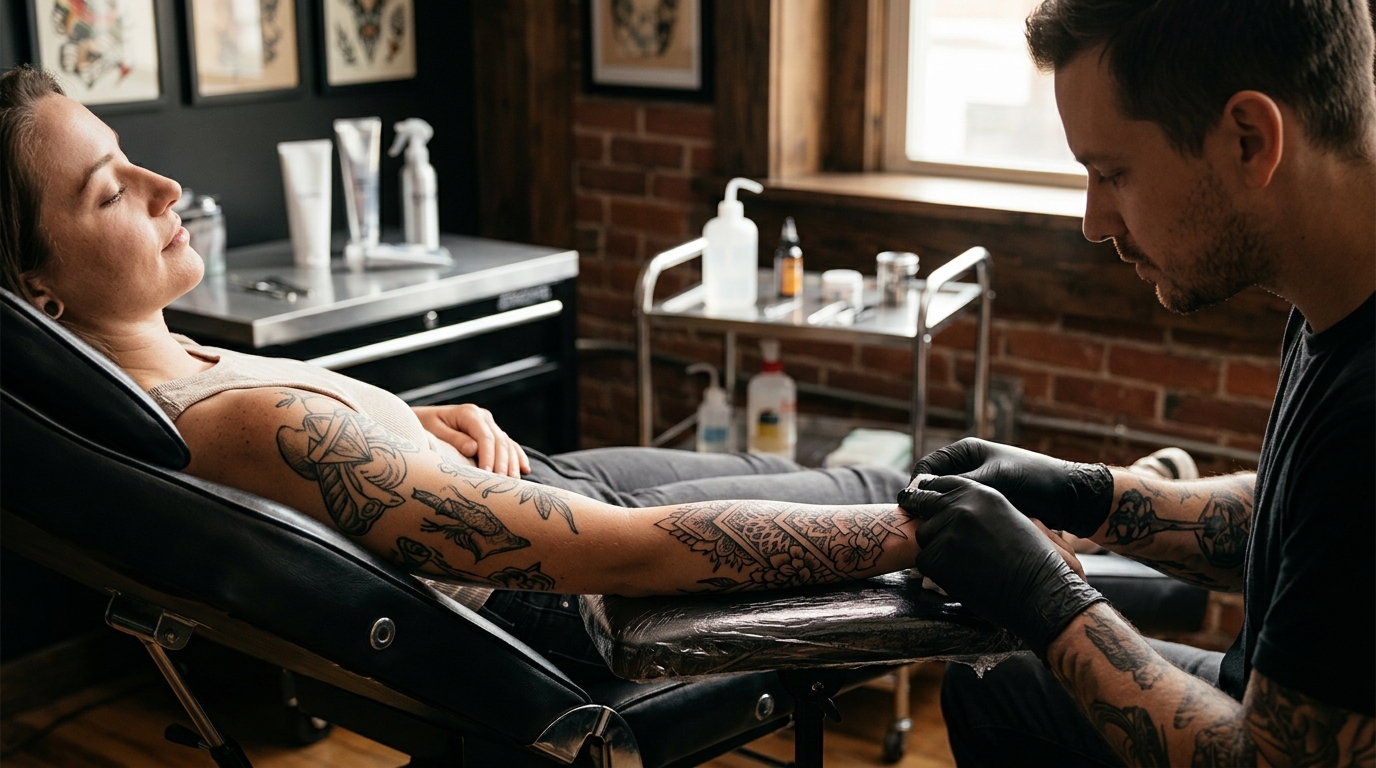
Managing pain during a lengthy tattoo session is a primary concern for both first-time clients and seasoned collectors. Recent industry data indicates that over 60% of tattoo artists report clients requesting topical anesthetics for sessions exceeding four hours. The choice between numbing cream and numbing spray can significantly impact the healing process, ink retention, and overall comfort. Understanding the pharmacological differences and application methods is critical for achieving the best results. This guide breaks down the mechanics of each option to help you decide which is right for your next appointment.
How Numbing Agents Work
Before choosing a delivery method, it is essential to understand the active ingredients. Most professional-grade numbing products rely on lidocaine, tetracaine, or prilocaine. These are local anesthetics that temporarily block nerve signals in the skin. Lidocaine is a sodium channel blocker. It prevents the transmission of pain impulses from the skin to the brain. This mechanism creates a localized area of insensitivity without affecting the rest of the body.
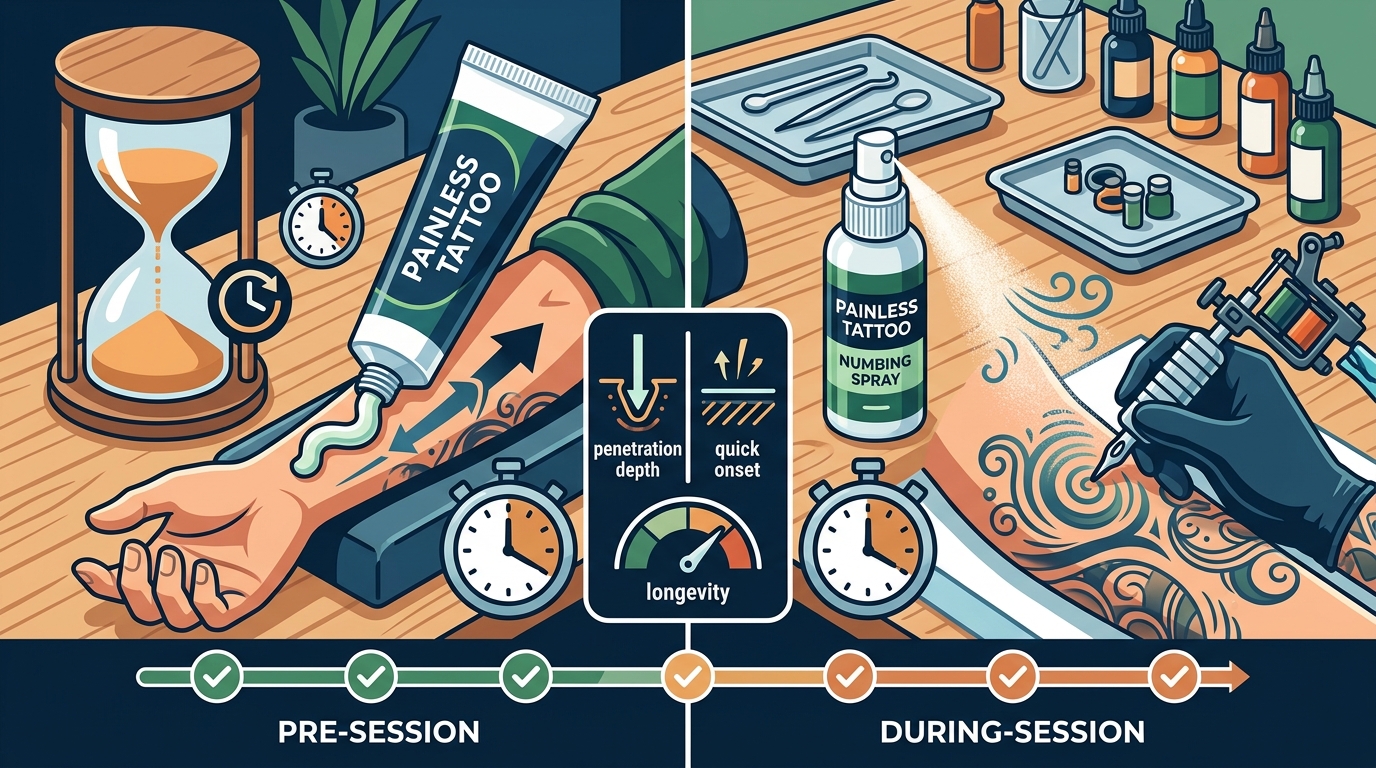
The efficacy of these agents depends heavily on penetration depth and onset time. Creams typically require a longer absorption period because they must pass through the stratum corneum, the outermost layer of the skin. Sprays, on the other hand, often utilize alcohol or propellants to facilitate faster surface absorption. However, surface absorption does not always equate to deeper numbing. The goal is to numb the dermis where the needle deposits ink. This requires precise timing and proper skin preparation.
Deep Dive: Numbing Creams
Numbing creams are the traditional standard for pre-tattoo preparation. They are thick, viscous formulations designed to sit on the skin for an extended period. The most common application protocol involves applying a thick layer to the clean, dry skin and covering it with plastic wrap. This occlusion technique increases absorption by up to 10 times compared to open application. According to dermatological studies, occlusion significantly enhances the bioavailability of topical anesthetics.
Proper occlusion is critical for cream efficacy. Without plastic wrap, the active ingredients evaporate or rub off before penetrating deeply. This is why creams are often preferred for large-scale projects or sessions lasting longer than six hours. The sustained release provides a consistent numbing effect throughout the day. However, the downside is the inconvenience. You must arrive at the studio with the cream already applied, or spend 45 to 60 minutes waiting for it to work.
At Painless Tattoo, we emphasize the importance of skin integrity. Overuse of strong creams can sometimes cause skin irritation or allergic reactions. It is vital to perform a patch test 24 hours before your appointment. We recommend consulting with our artists to determine the appropriate strength for your specific pain threshold and skin type. Visit our aftercare guide for more information on maintaining skin health before and after the procedure.
Deep Dive: Numbing Sprays
Numbing sprays have gained popularity due to their convenience and rapid onset. These products are typically applied directly to the skin just before the tattooing begins. They often contain a mix of lidocaine and other vasoconstrictors to reduce blood flow to the area. Reduced blood flow can help minimize bleeding during the session, which allows the artist to see the skin more clearly. This clarity is crucial for achieving sharp lines and vibrant colors.
The primary advantage of sprays is speed. They can numb the surface within 10 to 15 minutes. This makes them ideal for touch-ups or smaller sessions where long-term numbing is not required. However, the numbing effect is often shorter-lived. As the alcohol evaporates, the numbing sensation may fade faster than with creams. Some clients report a tingling or stinging sensation upon application, which can be uncomfortable initially. This is a normal reaction to the propellants and active ingredients interacting with the skin.
For those considering client experiences, sprays are often praised for their ease of use. You do not need to wait in the studio for an hour. You can apply it at home or in the restroom just before the needle touches your skin. However, they are less effective for deep dermal work. If you are getting a piece that requires heavy shading or deep needle penetration, a cream may provide more consistent relief. Learn more about our custom tattoo services to see how we tailor our approach to your needs.
Comparison Matrix
The following table summarizes the key differences between numbing creams and sprays. This data helps you weigh the pros and cons based on your specific session requirements.
| Feature | Numbing Cream | Numbing Spray |
|---|---|---|
| Onset Time | 45-60 minutes | 10-15 minutes |
| Duration | 4-6 hours | 1-2 hours |
| Penetration Depth | Deep (with occlusion) | Surface to Mid-dermis |
| Convenience | Low (requires prep) | High (quick application) |
| Bleeding Reduction | Moderate | High (due to vasoconstrictors) |
| Best For | Long sessions, large pieces | Touch-ups, small details |
Key Takeaways
- Duration Matters: Creams provide longer-lasting numbing, making them superior for sessions over four hours.
- Application Method: Creams require occlusion with plastic wrap for maximum efficacy, while sprays do not.
- Artist Preference: Many artists prefer sprays for touch-ups because they do not alter the skin texture as much as creams.
- Skin Sensitivity: Always perform a patch test 24 hours prior to avoid allergic reactions to lidocaine or other ingredients.
- Session Type: Use creams for large, detailed pieces and sprays for quick touch-ups or small designs.
- Hydration: Well-hydrated skin absorbs numbing agents more effectively than dry or flaky skin.
- Communication: Discuss your pain tolerance and preferred numbing method with your artist before the session begins.
Frequently Asked Questions
Can I use both cream and spray together?
Combining numbing products is generally not recommended without professional guidance. Using both can lead to an overdose of lidocaine, which can cause systemic toxicity. Symptoms include dizziness, heart palpitations, and seizures. It is safer to choose one method and use it correctly. Consult with our medical team if you have concerns about mixing products.
Does numbing cream affect ink retention?
Properly applied numbing cream should not significantly affect ink retention. However, if the skin becomes too swollen or irritated, it may push ink out during the healing process. This is why it is crucial to follow the application instructions precisely. Avoid over-application, which can cause skin damage. Read our ink retention tips for more advice.
Is numbing spray safe for all skin types?
Numbing sprays are generally safe for most skin types. However, individuals with sensitive skin or allergies to local anesthetics should avoid them. The alcohol content can also dry out the skin, leading to irritation. If you have eczema or psoriasis, consult your dermatologist before use. Check our skin-safe tattoo options for alternatives.
How long should I wait after applying cream before the tattoo starts?
You should wait at least 45 to 60 minutes after applying numbing cream. This allows the active ingredients to penetrate the skin effectively. Covering the area with plastic wrap during this time enhances absorption. Do not rush the process, as insufficient numbing can lead to unnecessary pain. Our artists at Painless Tattoo Studios will guide you through the timing.
Can I drive after using numbing products?
Yes, you can drive after using numbing products. Topical anesthetics do not impair cognitive function or motor skills like oral painkillers might. However, you may feel less sensation in the tattooed area. Be cautious when moving that body part to avoid accidental injury. Always follow the dosage instructions on the product label.
What is the best numbing product for a back piece?
For a large back piece, a numbing cream is typically the best option. The extended duration and deep penetration provide consistent relief over many hours. Sprays may wear off too quickly for such a large area. Consider booking a consultation to discuss a multi-session plan for your back piece.
Do artists allow clients to bring their own numbing products?
Policies vary by artist and studio. Some artists prefer to use their own trusted brands to ensure safety and efficacy. Others allow clients to bring their own products if they are FDA-approved. Always ask your artist beforehand. We prioritize safety and recommend using recommended supplies for the best results.
Book Your Consultation
Choosing the right numbing method is a personal decision that depends on your pain tolerance, the size of your tattoo, and your artist's preference. At Painless Tattoo, we are committed to making your tattoo experience as comfortable as possible. Our team of expert artists is trained to work with various numbing techniques to ensure you get the results you want with minimal discomfort.
Ready to start your tattoo journey? Book a consultation today to discuss your design and numbing preferences. We look forward to creating a masterpiece that you will love for years to come.