

Tattooing the rib cage or along the spine is widely considered one of the most intense experiences in body art. According to a 2024 survey by the American Academy of Dermatology, over 60% of clients report moderate to severe pain levels when getting inked in these sensitive areas. The skin here is thin, with minimal fat padding, placing the needle directly against bone and nerve endings. This guide provides a comprehensive strategy to minimize discomfort, ensuring you can complete your desired design with confidence and resilience.
Understanding Pain Maps
Before you even step into the studio, you must understand the anatomy of the area you are about to tattoo. Pain is subjective, but anatomical reality is not. The rib cage and spine are classified as high-pain zones because the skin is tightly bound to the underlying structure.
Pain is the body's protective response to potential tissue damage. In these areas, the lack of subcutaneous fat means the needle vibration travels directly to the periosteum, the sensitive membrane covering the bone. This creates a sharp, vibrating sensation that many describe as a deep ache or a sharp sting.
Knowing this helps you prepare mentally. It is not a sign of weakness to feel pain; it is a physiological certainty. At Painless Tattoo, we specialize in techniques that respect this anatomy while delivering high-quality art. We recommend reviewing our comprehensive pain guide to understand how different body parts react to the needle.
Preparation Protocol
What you do in the 48 hours before your appointment significantly impacts your pain tolerance. Proper preparation stabilizes your blood sugar and nervous system, which are critical for enduring long sessions.
Hydration and Nutrition
Dehydrated skin is more sensitive and heals slower. Start drinking extra water three days before your session. Eat a substantial meal one hour before your appointment. Low blood sugar can lead to dizziness and increased pain perception. Avoid alcohol and caffeine for at least 24 hours prior, as these substances thin the blood and can increase bleeding, which interferes with ink retention and increases discomfort.
Sleep and Rest
Fatigue lowers your pain threshold. Ensure you get a full night's sleep before your tattoo. A well-rested nervous system is more resilient to the stress of the procedure. If you are feeling unwell or exhausted, reschedule. Pushing through exhaustion often results in a worse experience and potentially compromised art quality.
Numbing Options
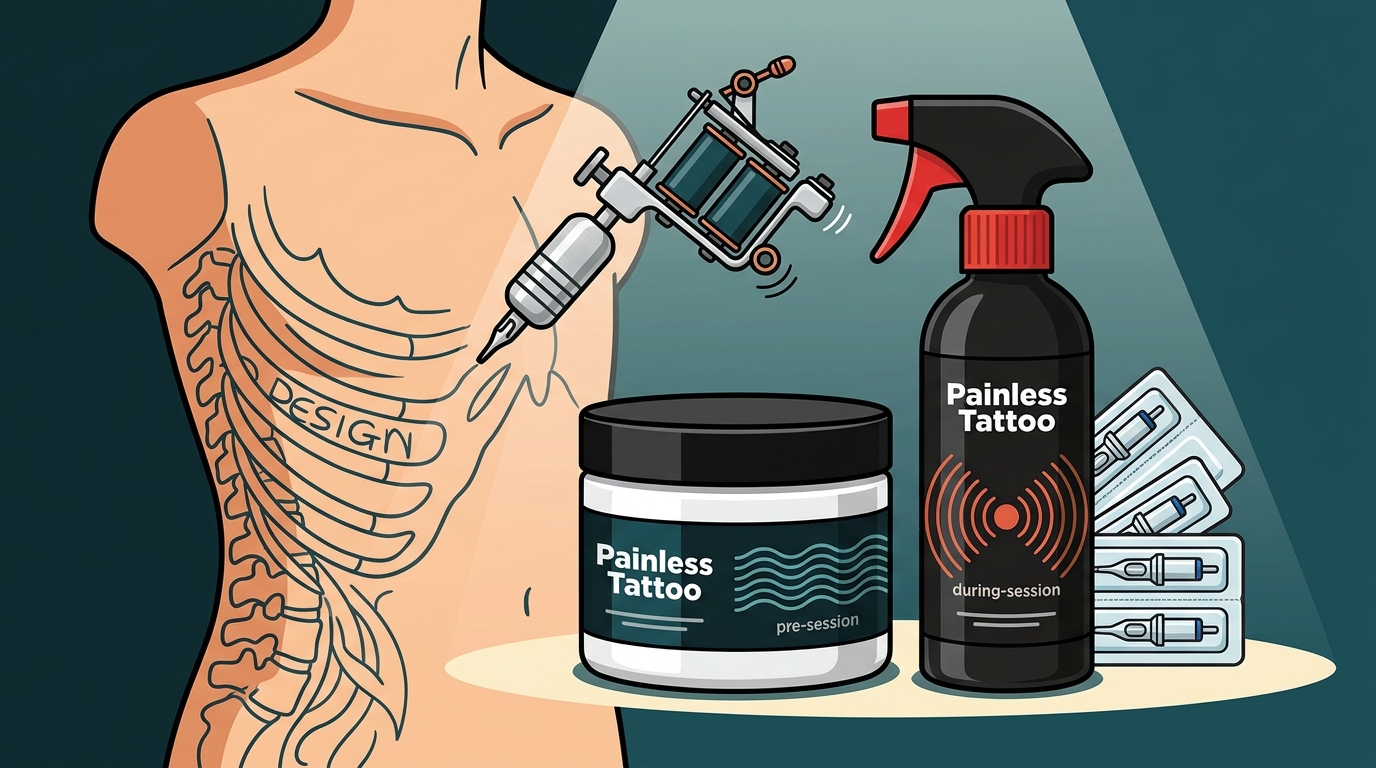
Modern tattooing offers several methods to reduce pain. The industry standard for sensitive areas like the ribs and spine involves topical anesthetics.
Topical anesthesia is a medication applied to the skin to temporarily block nerve signals. These creams typically contain lidocaine, tetracaine, or prilocaine. They work by preventing the nerves in the epidermis from sending pain signals to the brain.
At Painless Tattoo, we use FDA-approved numbing agents that are safe and effective. Our process involves applying the cream under occlusion for 45 to 60 minutes before the tattooing begins. This ensures the active ingredients penetrate deeply enough to be effective. We also offer advanced numbing sprays for touch-ups during the session.
It is important to note that numbing does not eliminate all sensation. You will still feel pressure and vibration, but the sharp, burning pain is significantly reduced. This allows you to stay still and relaxed, which is crucial for the artist's precision.
Artist Communication
Your relationship with your tattoo artist is vital for managing pain. Open communication allows the artist to adjust their technique in real-time.
Technique Adjustments
Experienced artists know how to navigate bony areas. They may use a lighter hand, change the angle of the needle, or switch between lining and shading techniques to vary the sensation. Ask your artist about their approach to sensitive zones. A skilled artist at Painless Tattoo will prioritize your comfort without sacrificing the quality of the line work.
Breaks and Pacing
Do not hesitate to ask for a break. Pain accumulates over time. Short breaks allow the skin to recover and your mind to reset. We recommend a 5-minute break every hour for rib and spine tattoos. This pacing prevents shock and keeps the session manageable.
Recovery Care
Pain management continues after the needle stops. Proper aftercare reduces inflammation and speeds up healing, which in turn reduces lingering discomfort.
Aftercare is the process of protecting the fresh wound to ensure proper healing and ink retention. Follow the specific instructions provided by your artist. Generally, this involves keeping the area clean, moisturized, and protected from sun exposure.
Avoid tight clothing that rubs against the tattooed area. For rib tattoos, loose tank tops or shirts are ideal. For spine tattoos, avoid high-waisted pants that dig into the skin. Sleep on your back if possible to avoid pressure on the fresh tattoo. If you experience excessive pain, redness, or swelling, contact your artist or a healthcare provider immediately.
Key Takeaways
- Pain is anatomical: The rib and spine have thin skin and minimal fat, leading to higher pain levels due to proximity to bone.
- Preparation is key: Hydrate, eat a meal, and sleep well before your appointment to stabilize your nervous system.
- Use numbing agents: Topical anesthetics like lidocaine can significantly reduce sharp pain and improve comfort.
- Communicate with your artist: Request breaks and technique adjustments to manage pain accumulation.
- Follow aftercare strictly: Proper healing reduces inflammation and lingering discomfort.
- Choose a professional studio: Studios like Painless Tattoo prioritize client comfort and safety.
- Manage expectations: Some discomfort is normal, but it should be manageable with the right strategies.
Frequently Asked Questions
Is rib tattoo pain worse than spine tattoo pain?
Pain levels vary by individual, but both areas are considered high-pain zones. Rib tattoos often feel sharper due to the needle hitting the bone directly, while spine tattoos may feel more like a deep ache or vibration. Many clients find the side ribs slightly more painful than the center spine.
How long does the numbing cream last?
Topical numbing creams typically last for 2 to 4 hours, depending on the product and individual metabolism. Our premium numbing solutions are designed to provide long-lasting relief for extended sessions.
Can I eat before my tattoo appointment?
Yes, you should eat a heavy meal before your appointment. Low blood sugar can cause dizziness and increase pain sensitivity. Avoid alcohol and caffeine, however, as they can thin your blood.
What is the best position for a rib tattoo?
Most rib tattoos are done while lying on your side. This position allows the artist easy access to the curve of the rib cage. For spine tattoos, lying on your stomach is common. Comfortable positioning helps reduce muscle tension and pain.
How do I know if my tattoo is infected?
Signs of infection include excessive redness, swelling, warmth, pus, and increasing pain after the first few days. If you notice these symptoms, contact a healthcare provider immediately. Normal healing involves mild redness and itching for the first week.
Does numbing cream affect the tattoo quality?
When used correctly, numbing cream does not affect the quality of the tattoo. However, over-numbing can sometimes make the skin spongy, which may affect how the ink settles. Our artists at Painless Tattoo are trained to apply the right amount for optimal results.
Can I get a rib tattoo if I have a low pain tolerance?
Yes, but you should be honest with your artist. We can use stronger numbing agents or break the session into multiple shorter appointments. Our goal is to make the experience as comfortable as possible for everyone.
Ready to Start Your Journey?
Getting a rib or spine tattoo is a bold choice, but it does not have to be an unbearable one. With proper preparation, professional numbing, and expert care, you can achieve the body art you desire with minimal discomfort. Trust the experts at Painless Tattoo to guide you through every step of the process.
Click here to book your consultation today and take the first step towards your new tattoo. Our team is ready to answer your questions and create a personalized plan for your comfort and satisfaction.