
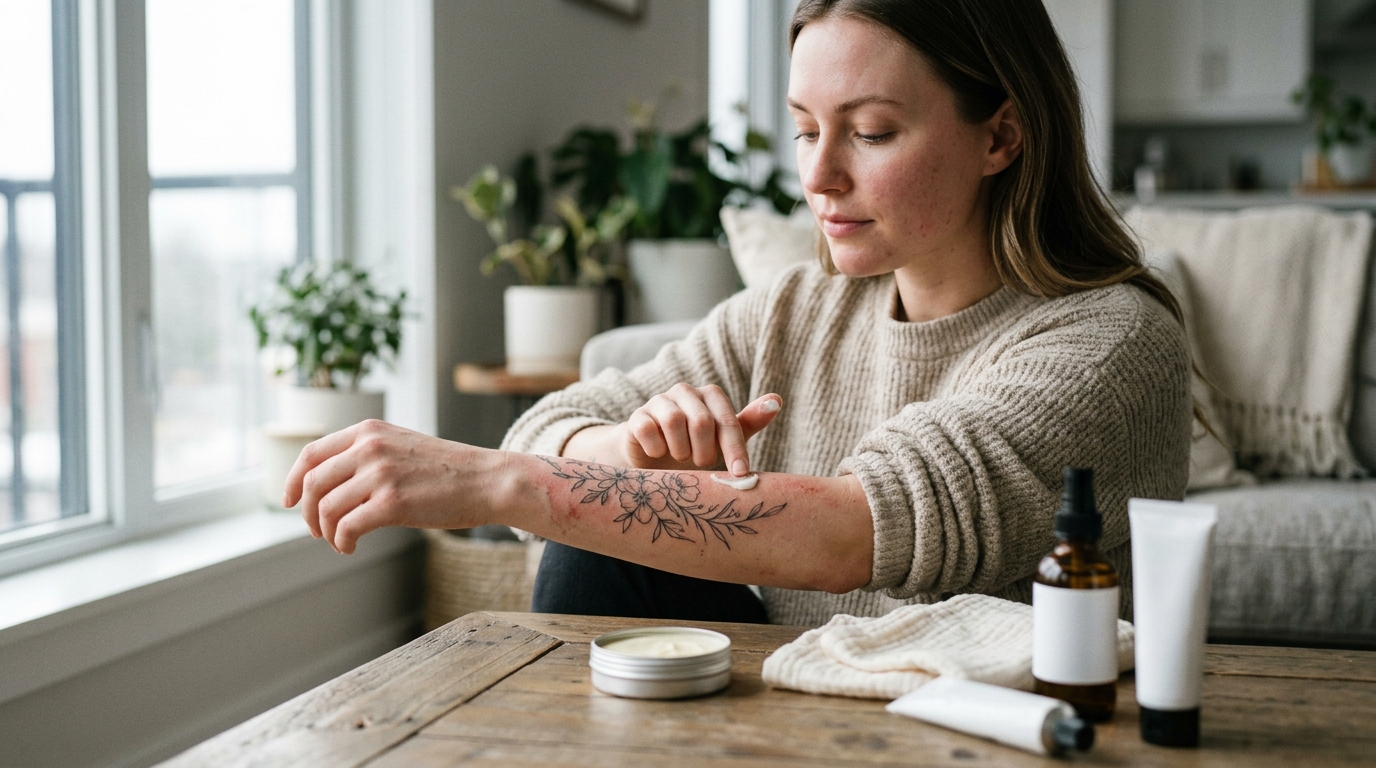
Managing a fresh tattoo when you have sensitive skin requires a strategic shift in your aftercare routine. Standard advice often relies on heavy occlusion or strong antiseptics that can trigger contact dermatitis or prolonged inflammation. For individuals prone to reactions, the goal is not just healing, but preserving the integrity of the epidermal barrier while the dermis repairs itself. This guide outlines a protocol designed to minimize irritation while ensuring optimal ink retention and skin health.
Understanding Skin Sensitivity and Tattoo Healing
Tattooing is a controlled injury. The needle deposits pigment into the dermis, causing the body to initiate an inflammatory response. For sensitive skin, this response can be exaggerated, leading to excessive redness, itching, or even allergic reactions to the ink itself. Skin sensitivity is a heightened immune response to external stimuli. When the skin barrier is compromised by needles, it becomes vulnerable to irritants found in common aftercare products.
Research indicates that the skin barrier function is significantly disrupted during the first week of tattoo healing. According to dermatological studies on wound care, maintaining a moist wound environment is critical for reducing scarring and inflammation. However, for sensitive skin, the type of moisture matters. Heavy petroleum-based products can trap heat and bacteria, while harsh alcohols can strip natural oils. The key is finding a balance that supports regeneration without triggering an immune overreaction.
The First 24 Hours: Immediate Post-Procedure Care
The initial phase of healing is the most critical for preventing infection and minimizing irritation. Your tattoo artist will likely apply a bandage or wrap immediately after the session. For sensitive skin, the duration of this wrap is crucial. Leaving it on too long can create a humid environment that breeds bacteria, while removing it too early can cause the fresh wound to stick to clothing.
When it is time to remove the initial bandage, do so gently. Use lukewarm water and a mild, fragrance-free soap to clean the area. Pat the skin dry with a clean paper towel. Avoid rubbing, as friction can aggravate sensitive tissue. If your artist recommended a second skin product like Saniderm, follow their specific instructions for removal, as these occlusive bandages are designed to protect the wound while allowing it to breathe.
Selecting Safe Aftercare Products
Choosing the right aftercare product is the most significant decision you will make during the healing process. For sensitive skin, the ingredient list is more important than the brand name. You must avoid products containing fragrances, dyes, and harsh preservatives. These ingredients are common triggers for contact dermatitis, which can ruin the appearance of your tattoo and cause significant discomfort.
Alpha Tattoo Oil is a lightweight, non-greasy moisturizing oil designed to nourish healing skin. It is formulated with natural extracts that are generally well-tolerated by sensitive skin types. Similarly, Alpha Tattoo Butter is a rich, emollient cream that provides deep hydration without clogging pores. Both products are part of the Next Gen Tattoo Care line, which focuses on using high-quality ingredients like shea butter, mango butter, and aloe vera to support the skin's natural healing processes.
Another option is the Painless Tattoo Numbing Cream, which can be used before the tattooing process to reduce initial pain and inflammation. While not an aftercare product per se, managing the initial inflammatory response can set the stage for a smoother healing period. For those who prefer a spray, the Painless Tattoo Numbing Spray offers a convenient alternative for pre-procedure comfort.
The Daily Healing Routine
Consistency is key to successful healing. Your daily routine should be simple, gentle, and repeatable. Here is a step-by-step guide for the first two weeks of healing.
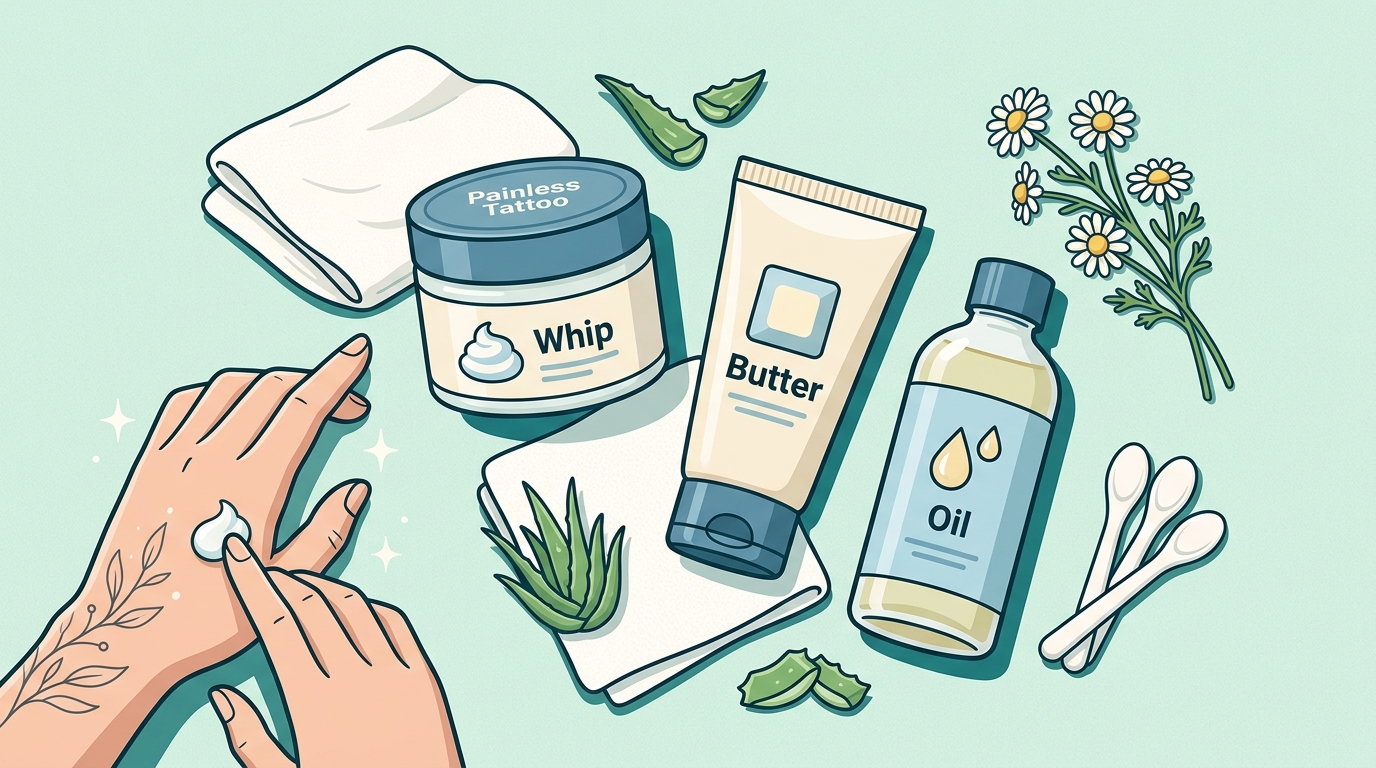
Week 1: The Inflammatory Phase
During the first week, your tattoo will likely be red, swollen, and tender. Clean the area two to three times a day with lukewarm water and a mild, fragrance-free soap. Apply a thin layer of your chosen aftercare product. The layer should be just enough to make the skin look slightly glossy, not wet. Over-application can suffocate the skin and delay healing.
Avoid picking at scabs or peeling skin. Let the skin shed naturally. Picking can pull ink out of the dermis, resulting in patchy areas and increased scarring. If itching becomes unbearable, apply a cool compress to the area. Do not scratch, as this can introduce bacteria and cause further irritation.
Week 2: The Peeling Phase
As the skin begins to heal, it will start to peel and flake. This is a normal part of the process. Continue to clean and moisturize the area daily. You may notice that the tattoo looks dull or cloudy during this phase. This is due to a layer of new skin forming over the ink. Do not be alarmed. As the peeling subsides, the true colors of the tattoo will emerge.
During this phase, you can increase the frequency of moisturizing if the skin feels tight or dry. However, always err on the side of less product rather than more. The goal is to keep the skin supple, not saturated.
Product Comparison for Sensitive Skin
Choosing between different aftercare products can be challenging. The table below compares the key features of the Painless Tattoo Next Gen Care line to help you make an informed decision.
| Product | Best For | Key Ingredients | Texture | Price |
|---|---|---|---|---|
| Alpha Tattoo Oil | Lightweight hydration, non-greasy finish | Shea Butter, Mango Butter, MCT | Oil | $15.00 |
| Alpha Tattoo Butter | Deep moisturization, dry skin types | Shea Butter, Beeswax, Aloe Vera | Butter/Cream | $21.00 |
| Alpha Tattoo Whip | Air-light feel, fast absorption | Shea Butter, Avocado Extract | Whipped Cream | $19.00 |
| Painless Tattoo Combo | Complete healing solution | All Next Gen Ingredients | Mixed | Varies |
Key Takeaways
- Sensitivity Management: Avoid fragrances and harsh chemicals to prevent contact dermatitis.
- Moisture Balance: Apply a thin layer of product to keep skin supple without suffocating it.
- Product Choice: Alpha Tattoo Oil is ideal for those who dislike greasy residues.
- Deep Hydration: Alpha Tattoo Butter provides intense moisture for very dry or sensitive skin.
- Consistency: Clean and moisturize twice daily for the first two weeks.
- No Picking: Allow peeling to occur naturally to preserve ink integrity.
- Professional Advice: Consult your tattoo artist for specific recommendations based on your skin type.
Frequently Asked Questions
Can I use regular lotion on my new tattoo?
Regular lotions often contain fragrances and preservatives that can irritate sensitive skin and cause allergic reactions. It is best to use a product specifically designed for tattoo aftercare, such as those found in the Next Gen Tattoo Care line.
How long does sensitive skin take to heal from a tattoo?
While the surface healing typically takes two to three weeks, sensitive skin may experience prolonged redness or itching. Full healing of the dermis can take several months. Patience and consistent care are essential.
What should I do if my tattoo itches excessively?
Itching is a normal part of the healing process. Apply a cool compress or a thin layer of Alpha Tattoo Whip to soothe the area. Avoid scratching, as this can damage the skin and pull out ink.
Is Alpha Tattoo Oil safe for sensitive skin?
Yes, Alpha Tattoo Oil is formulated with natural ingredients and is generally well-tolerated by sensitive skin. However, always perform a patch test on a small area of skin before full application.
Can I use Painless Tattoo Numbing Cream after the tattoo?
The Painless Tattoo Numbing Cream is primarily designed for use before the tattooing process to reduce pain. For aftercare, focus on moisturizing and protecting the skin with products like Alpha Tattoo Butter or Oil.
How do I prevent allergic reactions to tattoo ink?
While you cannot control your reaction to the ink itself, you can control your reaction to the aftercare products. Use fragrance-free, hypoallergenic products and avoid harsh chemicals. If you experience severe reactions, consult a dermatologist immediately.
What is the best way to clean a new tattoo?
Use lukewarm water and a mild, fragrance-free soap. Gently wash the area with your hands, avoiding rough washcloths or sponges. Pat dry with a clean paper towel.
Start Your Healing Journey
Healing a tattoo with sensitive skin requires care, patience, and the right products. By following this guide and using high-quality aftercare solutions, you can ensure your tattoo heals beautifully and remains vibrant for years to come. Explore the Next Gen Tattoo Care collection to find the perfect products for your skin type. Visit PainlessTattoo today to shop our full range of numbing and aftercare products.