

Managing a fresh tattoo when you have sensitive skin requires a strategic shift from standard aftercare protocols. According to dermatological guidelines, the skin barrier is significantly compromised during the initial healing phase, making it highly susceptible to irritation from harsh chemicals or fragrances. This guide outlines a specialized routine using Painless Tattoo products to ensure your ink heals clearly without triggering adverse reactions.
Understanding Skin Sensitivity and Tattoos
Sensitive skin is characterized by a reactive immune response to environmental triggers, including the pigments and trauma of tattooing. Research indicates that up to 50% of the population experiences some form of skin sensitivity, which can manifest as redness, itching, or swelling during the healing process. The primary goal is to minimize inflammation while maintaining a moist healing environment.
Standard aftercare often involves thick, occlusive ointments that can trap heat and bacteria, leading to folliculitis in sensitive individuals. Instead, a breathable, non-comedogenic approach is necessary. This involves using products that support the skin's natural barrier repair mechanisms without introducing unnecessary irritants.
The Initial Cleaning Protocol
The first 24 to 48 hours are critical. You must remove blood, plasma, and excess ink without stripping the skin of its natural oils. Medical experts recommend using a mild, fragrance-free soap for this purpose. Avoid antibacterial soaps containing triclosan or strong acids, as these can disrupt the pH balance of the healing wound.
Step 1: Gentle Washing
Wash your hands thoroughly before touching the tattoo. Use lukewarm water and a small amount of gentle cleanser. Rub the area lightly with your fingertips, never with a washcloth or sponge, which can harbor bacteria and abrade the delicate new skin. Rinse completely to ensure no soap residue remains, as this is a common cause of post-wash itching.
Step 2: Pat Dry
Use a clean, disposable paper towel to pat the area dry. Do not rub. Paper towels are preferred over cloth towels because they are single-use and reduce the risk of cross-contamination. The CDC emphasizes that proper drying techniques are essential to prevent bacterial growth on moist surfaces.
The Moisturizing Strategy for Reactive Skin
Once the tattoo is dry, you must apply a thin layer of moisturizer. The skin needs hydration to prevent excessive scabbing, which can pull out ink and cause scarring. However, over-moisturizing is a frequent error that leads to maceration, where the skin becomes soggy and prone to infection.
Choosing the Right Product
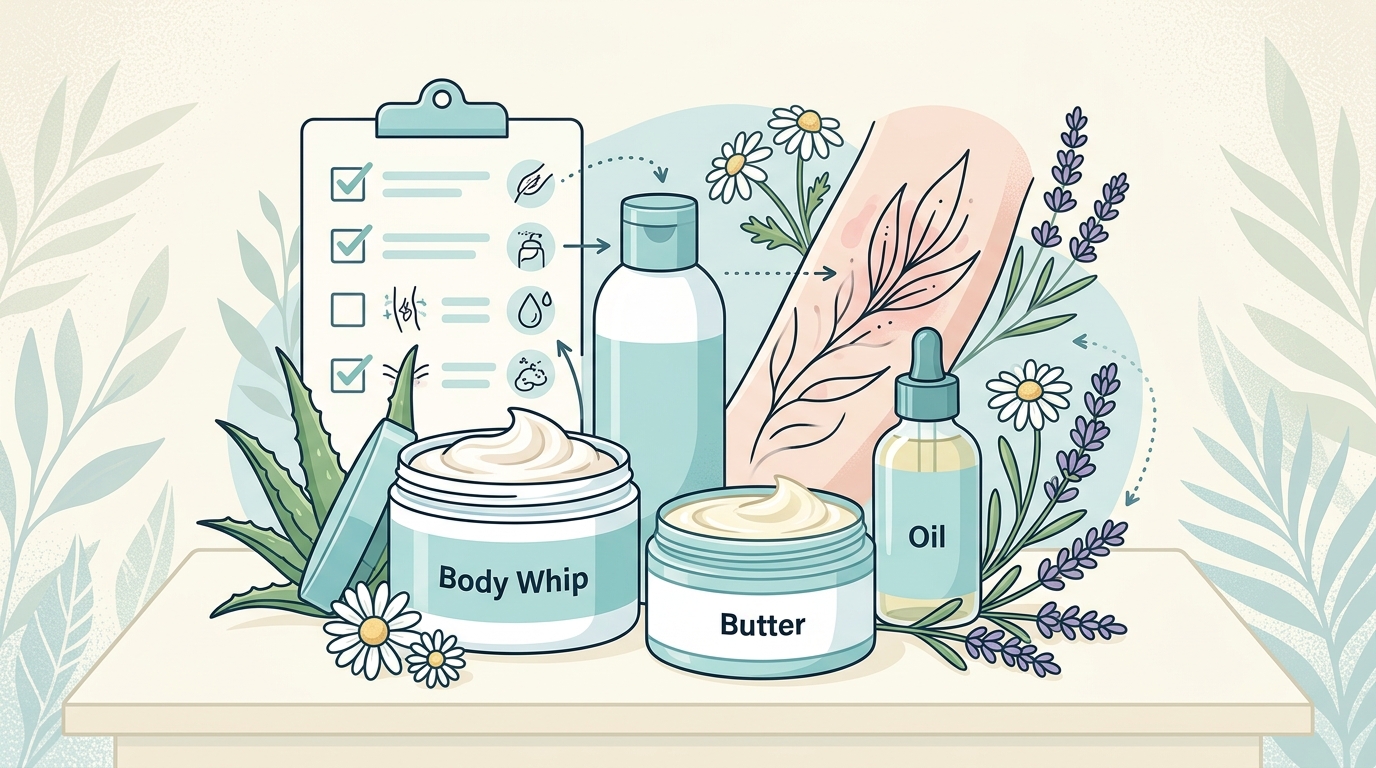
For sensitive skin, Alpha Tattoo Oil is an excellent choice. It is formulated with lightweight, non-comedogenic oils that absorb quickly, reducing the risk of clogged pores. Unlike heavy butters, oils allow the skin to breathe while providing a protective barrier against environmental pollutants.
Another option is Alpha Tattoo Butter, which contains shea and mango butter. While richer, it is still designed to be non-irritating. If you have extremely reactive skin, start with the oil and transition to the butter only if the skin feels excessively dry after the first week.
Application Technique
Apply the product in a thin, even layer. You should not see a white cast or feel a greasy residue after a few minutes. If you do, you have applied too much. Reapply only when the skin feels tight or dry, typically two to three times a day. Dermatologists note that consistent, light moisturizing accelerates the healing timeline by supporting cell regeneration.
Comparing Aftercare Formulations
Understanding the differences between aftercare products helps you make an informed decision for your specific skin type. The table below compares the primary offerings from Painless Tattoo for sensitive skin users.
| Product | Primary Ingredient | Best For | Texture |
|---|---|---|---|
| Alpha Tattoo Oil | Lightweight Plant Oils | Oily or Acne-Prone Sensitive Skin | Fluid, Fast-Absorbing |
| Alpha Tattoo Butter | Shea & Mango Butter | Very Dry or Flaky Skin | Rich, Creamy |
| Alpha Tattoo Whip | Aloe Vera Base | Heat-Intolerant or Itchy Skin | Light, Airy Foam |
| Standard Ointments | Petrolatum | Not Recommended for Sensitive Skin | Thick, Occlusive |
The American Academy of Dermatology advises against using petroleum-based products for extended periods, as they can suffocate the skin and delay healing. Switching to plant-based alternatives like those found in the Alpha Tattoo line provides a safer, more breathable healing environment.
Key Takeaways
- Avoid Fragrances: Always choose fragrance-free products to prevent allergic contact dermatitis.
- Thin Layers: Apply moisturizer sparingly to prevent clogged pores and bacterial growth.
- Use Disposable Towels: Paper towels reduce the risk of introducing bacteria to the fresh wound.
- Monitor for Reactions: Watch for excessive redness or swelling, which may indicate an allergy to the ink or product.
- Stay Hydrated: Drinking water supports skin elasticity and overall healing speed.
- Avoid Sun Exposure: UV rays can fade ink and irritate sensitive healing skin.
- Consult Professionals: If irritation persists, consult your artist or a dermatologist immediately.
Frequently Asked Questions
Can I use regular lotion on a new tattoo?
Regular lotions often contain fragrances and preservatives that can irritate sensitive skin. It is safer to use a specialized aftercare product like Alpha Tattoo Oil that is formulated specifically for wound care.
How long does sensitive skin take to heal from a tattoo?
While the surface heals in two weeks, sensitive skin may take longer to fully resolve redness or itching. Healthline reports that complete healing can take up to four to six weeks depending on individual skin biology.
What should I do if my tattoo itches?
Itching is a normal part of the healing process. Do not scratch. Apply a thin layer of Alpha Tattoo Whip to soothe the area. If itching is severe, consult your artist.
Is Alpha Tattoo Butter safe for sensitive skin?
Yes, Alpha Tattoo Butter is made with natural butters and extracts that are generally well-tolerated. However, always patch test a small area first if you have known allergies to shea or mango.
Can I use soap on my new tattoo?
Yes, but it must be a mild, fragrance-free soap. Harsh antibacterial soaps can dry out the skin and delay healing. The CDC recommends gentle cleansing to maintain hygiene without damaging the skin barrier.
How often should I moisturize?
Moisturize two to three times a day, or whenever the skin feels tight. Over-moisturizing can lead to infection, so less is often more.
What are the signs of an allergic reaction?
Signs include intense redness, swelling, heat, and pus. If you experience these symptoms, remove the product and seek medical attention. The American Academy of Dermatology notes that allergic reactions to tattoo ink are rare but possible.
Protect Your Art and Your Skin
Healing a tattoo with sensitive skin is manageable with the right products and routine. By choosing gentle, plant-based aftercare like Alpha Tattoo Oil or Alpha Tattoo Butter, you ensure your ink stays vibrant and your skin stays healthy. Visit Painless Tattoo today to explore our full range of sensitive-skin-friendly aftercare solutions.