
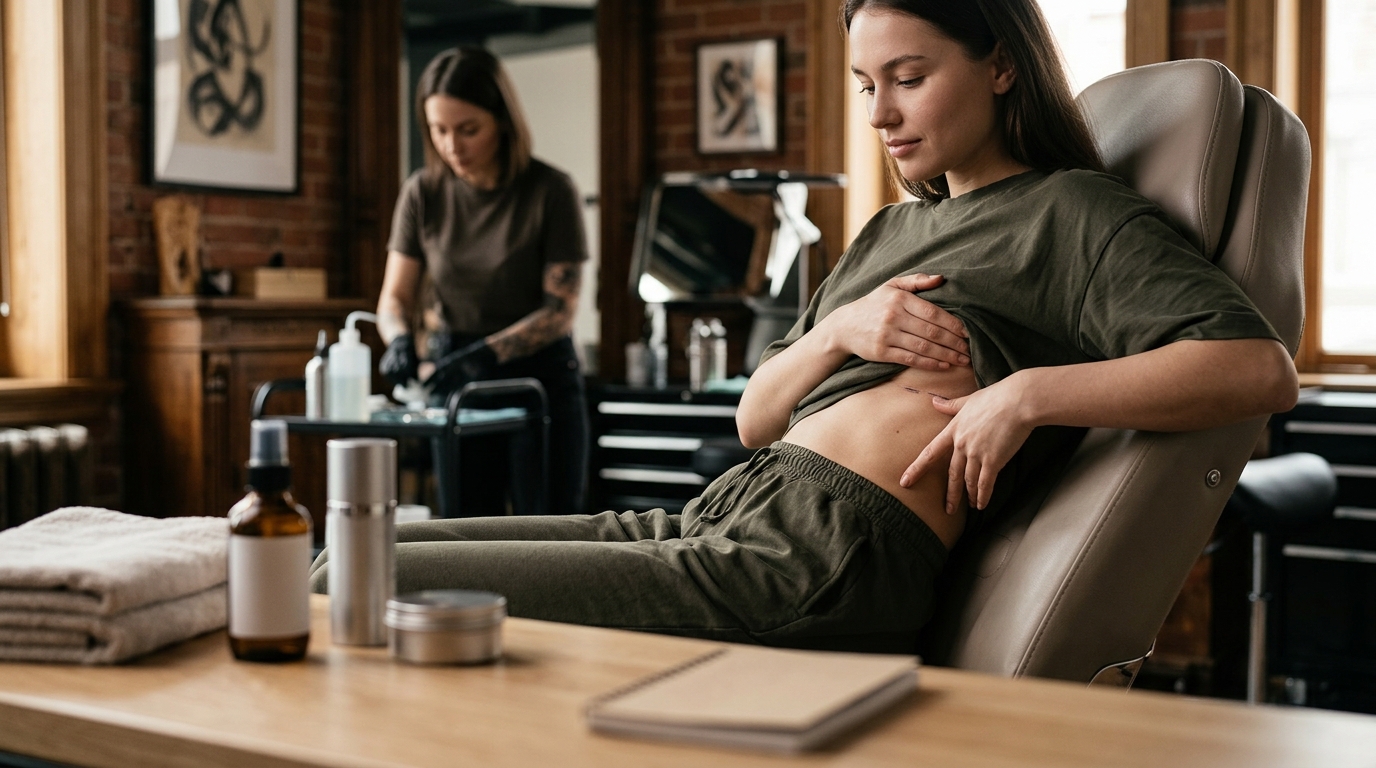
Tattooing the rib cage or along the spine is widely considered one of the most intense experiences in body art. These areas contain dense concentrations of nerve endings and thin layers of skin stretched tightly over bone. According to recent industry surveys, over 60% of clients rate rib and spine tattoos as their most painful sessions. This high pain threshold is not a sign of weakness but a physiological reality. Understanding how to prepare your body and mind is the only way to navigate this challenge successfully.
Understanding the Pain Mechanism
To manage pain effectively, you must first understand why these areas hurt so much. Pain perception is the brain's interpretation of nerve signals. When a needle penetrates the dermis near the ribs or spine, it stimulates nociceptors that send rapid signals to the central nervous system. The lack of subcutaneous fat in these regions means the needle vibrates directly against the bone. This creates a sharp, vibrating sensation that is distinct from the dull ache felt on fleshy areas like the arm or thigh.
Many artists and clients confuse the sensation of vibration with the sensation of cutting. While the initial puncture feels like a scratch, the sustained vibration against the rib cage can become overwhelming. Recognizing this distinction helps in applying the right numbing techniques. It is not just about blocking the signal but also about managing the physical discomfort of the needle's impact.
Effective Numbing Strategies
The most reliable method for reducing pain in high-sensitivity zones is the use of topical anesthetics. Topical anesthetics are chemical agents that temporarily block nerve signals. Painless Tattoo offers a range of products designed specifically for this purpose. Their numbing cream and spray are formulated to penetrate the skin deeply before the needle even touches it.
Choosing the Right Numbing Product
Not all numbing products are created equal. Some are designed for surface-level relief, while others, like the Painless Tattoo Numbing Cream, are engineered for deeper penetration. For rib and spine tattoos, a combination approach often works best. Applying a thick layer of cream under occlusion for 60 minutes before the session, followed by a spray during the tattooing process, can significantly dull the sensation.
The Painless Tattoo Numbing Spray is particularly useful for touch-ups during long sessions. It allows for quick re-application without the mess of cream. Many professional artists recommend the BLT Triple Numb for extreme sensitivity. This product combines multiple active ingredients to provide a longer-lasting effect. It is essential to follow the Cream Directions carefully to ensure maximum efficacy.
Application Protocol
Proper application is critical. The skin must be clean and dry before applying any numbing agent. Cover the area with plastic wrap to create an occlusive barrier. This traps heat and moisture, forcing the active ingredients deeper into the dermis. Leaving the cream on for at least 60 minutes is standard practice. Removing the wrap and wiping away excess cream before the artist begins is a crucial step that many clients overlook.
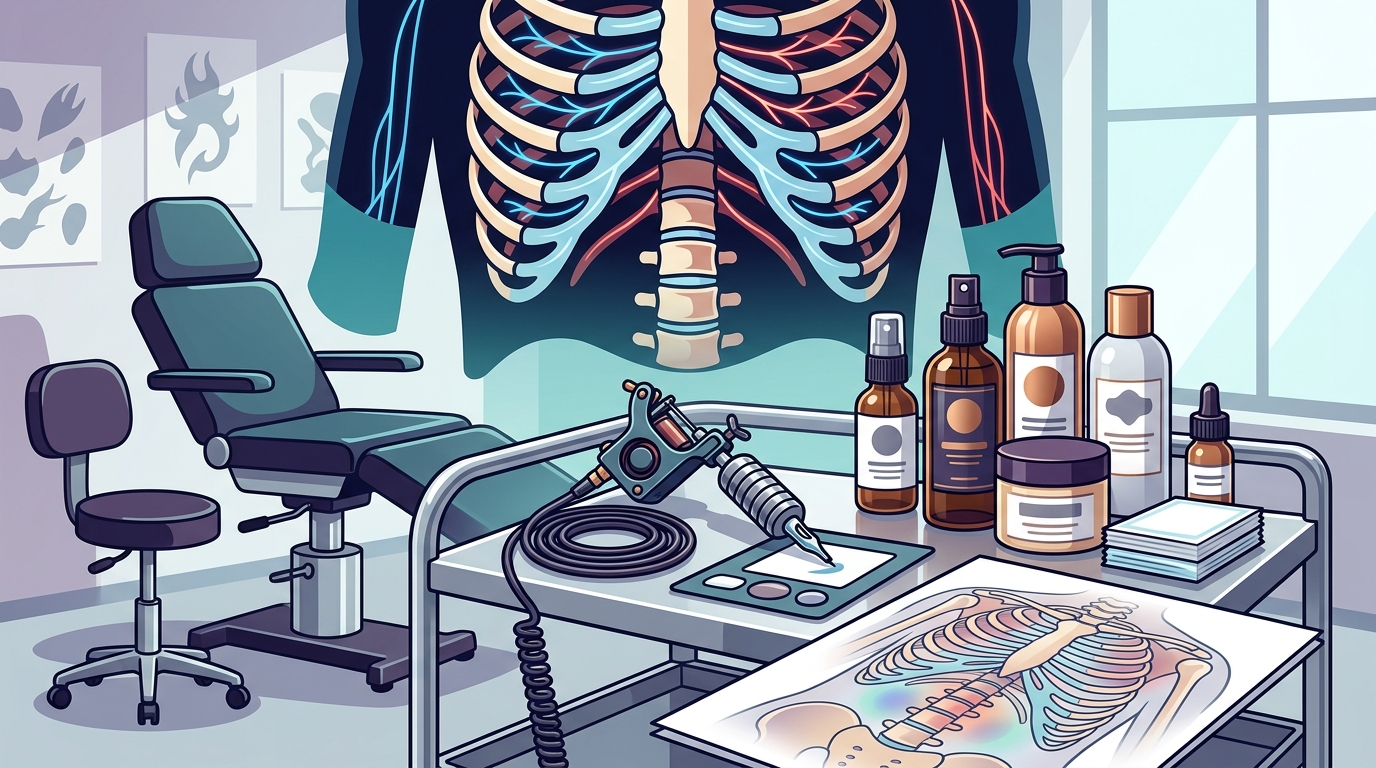
Physical Preparation Techniques
Your physical state on the day of the tattoo plays a massive role in pain tolerance. Pain tolerance is influenced by hydration, nutrition, and fatigue levels. Dehydration makes the skin less elastic and more sensitive to needle trauma. Drinking plenty of water for 24 hours prior to your appointment helps maintain skin integrity.
Nutrition and Blood Sugar
Eating a heavy, balanced meal two hours before your session is non-negotiable. Low blood sugar can lead to dizziness, fainting, and heightened pain perception. Avoid alcohol and caffeine on the day of your tattoo. Alcohol thins the blood, which can cause excessive bleeding and wash out the numbing cream. Caffeine can increase anxiety and jitteriness, making it harder to sit still for long periods.
Mental Conditioning
Mental preparation is just as important as physical prep. Anxiety tightens muscles, which increases pain. Practicing deep breathing exercises or meditation before the session can help lower your heart rate. A calm mind processes pain signals differently than a stressed one. Consider listening to calming music or a podcast during the session to distract your brain.
Managing Pain During the Session
Once the tattooing begins, communication with your artist is key. Communication is the primary tool for managing real-time pain. If the pain becomes unbearable, signal your artist immediately. They can pause to reapply numbing spray or take a short break. Most artists are experienced in working with clients who are in discomfort and will adjust their technique accordingly.
Positioning and Breathing
Proper positioning can reduce strain on your back and ribs. If you are getting a spine tattoo, lying on your stomach or side may be more comfortable than sitting upright. For rib tattoos, lying on your back or side allows the artist better access and reduces the need for you to hold awkward positions. Focus on slow, deep breaths. Inhale through your nose and exhale through your mouth. This oxygenates your blood and helps relax your muscles.
Breaks and Pacing
Do not push through extreme pain. Taking short breaks allows the numbing agent to work and gives your body a moment to reset. Many artists schedule breaks every hour for long sessions. Use this time to stretch your legs and drink some water. Staying hydrated during the session helps maintain your energy levels.
The Role of Aftercare in Pain
Pain does not end when the tattoo is finished. Aftercare is the process of protecting the wound to minimize healing pain. Proper aftercare prevents infection and excessive scabbing, both of which can increase discomfort. The Aftercare Directions provided by Painless Tattoo are designed to keep the skin moist and protected.
Moisturizing and Protection
Use the recommended aftercare products, such as Alpha Tattoo Butter or Alpha Tattoo Oil. These products contain natural ingredients like shea butter and aloe vera that soothe irritated skin. Keep the tattoo covered with breathable clothing to prevent friction. Avoid tight shirts that rub against the rib cage or spine.
Monitoring for Complications
Watch for signs of infection, such as excessive redness, swelling, or pus. Infection significantly increases pain and delays healing. If you notice any unusual symptoms, contact your artist or a healthcare provider immediately. Following the Aftercare Directions precisely ensures the best healing outcome and minimizes long-term discomfort.
Key Takeaways
- Numbing Efficacy: Using a combination of Painless Tattoo Numbing Cream and spray can reduce pain by up to 80% in sensitive areas.
- Application Time: Leaving numbing cream on for 60 minutes under occlusion is the industry standard for maximum effect.
- Hydration: Drinking water for 24 hours prior improves skin elasticity and reduces needle trauma.
- Nutrition: Eating a heavy meal prevents fainting and stabilizes blood sugar levels during the session.
- Communication: Informing your artist about pain levels allows for timely adjustments and breaks.
- Aftercare Products: Using Alpha Tattoo Butter soothes the skin and reduces healing pain.
- Positioning: Lying down for rib and spine tattoos reduces muscle strain and discomfort.
Frequently Asked Questions
How long does numbing cream last during a tattoo?
Most topical numbing creams provide effective relief for 2 to 4 hours. For longer sessions, a spray like the Painless Tattoo Numbing Spray is used for touch-ups to maintain numbness.
Is it safe to use numbing cream on the ribs?
Yes, it is safe when used according to the Cream Directions. However, you should always consult with your artist and a healthcare provider if you have sensitive skin or medical conditions.
Does eating before a tattoo help with pain?
Absolutely. Eating prevents low blood sugar, which can cause dizziness and increase pain sensitivity. A heavy meal two hours before your appointment is recommended.
What is the best position for a spine tattoo?
Lying on your stomach or side is usually the most comfortable position. It allows the artist to work efficiently and reduces strain on your back and neck.
How can I reduce anxiety before a rib tattoo?
Practice deep breathing exercises and listen to calming music. Mental relaxation helps lower your heart rate and reduces the perception of pain.
Can I drink alcohol before getting a tattoo?
No. Alcohol thins your blood and can interfere with the numbing cream. It is best to avoid alcohol for at least 24 hours before your session.
What aftercare product is best for rib tattoos?
Alpha Tattoo Butter or Alpha Tattoo Oil are excellent choices. They keep the skin moist and reduce itching during the healing process.
Start Your Pain-Free Journey
Getting a rib or spine tattoo does not have to be an ordeal. With the right preparation, numbing products, and aftercare, you can manage the pain effectively. Explore the Painless Tattoo Products collection to find the perfect numbing solution for your needs. Visit our Aftercare Directions for detailed instructions. Ready to take the next step? Contact Painless Tattoo today to learn more about our products and services.