

Managing a new tattoo when you have sensitive skin requires a strategic shift in your aftercare routine. Standard products often contain harsh chemicals that trigger inflammation, leading to prolonged healing times or allergic reactions. According to dermatological studies on skin barrier recovery, approximately 10 to 20 percent of the population experiences some form of contact dermatitis from topical applications. This statistic highlights the critical need for a specialized approach to ink preservation and skin health. By selecting the right ingredients and avoiding common irritants, you can ensure your tattoo heals clearly and vibrantly without compromising your skin's integrity.
Understanding Skin Sensitivity and Tattoo Healing
Before applying any product, it is essential to understand how sensitive skin reacts to the trauma of tattooing. Tattooing creates thousands of micro-wounds in the dermis. For sensitive skin, the immune response is often more aggressive, leading to redness, swelling, and itching. Atopic dermatitis is a chronic condition causing dry, itchy, and inflamed skin. Individuals with this condition must be particularly vigilant about the ingredients they introduce to the healing wound.
The goal of aftercare is to maintain a moist healing environment while preventing bacterial infection. However, standard aftercare creams often rely on petroleum-based occlusives or synthetic fragrances. These ingredients can suffocate the skin or trigger histamine responses. Choosing a regimen that supports the skin barrier rather than disrupting it is the foundation of successful healing for sensitive types.
The Initial Cleaning Protocol
The first 24 to 48 hours are the most critical phase of the healing process. During this time, your tattoo is essentially an open wound. The cleaning routine must be gentle yet effective at removing excess plasma and ink.
Washing the Tattoo
Use a fragrance-free, antibacterial soap. Avoid soaps with heavy moisturizers or exfoliating beads, as these can irritate the fresh ink. Wash your hands thoroughly before touching the tattoo. Use lukewarm water and your fingertips to gently rub the area in a circular motion. Do not use washcloths or sponges, which can harbor bacteria and abrade the skin.
Drying the Area
Pat the tattoo dry with a clean, paper towel. Cloth towels can retain bacteria and fibers that may stick to the sticky surface of a fresh tattoo. Avoid rubbing the skin dry, as friction can cause micro-tears and increase inflammation. Let the tattoo air dry for a few minutes before applying any ointment.
Selecting Safe Aftercare Products
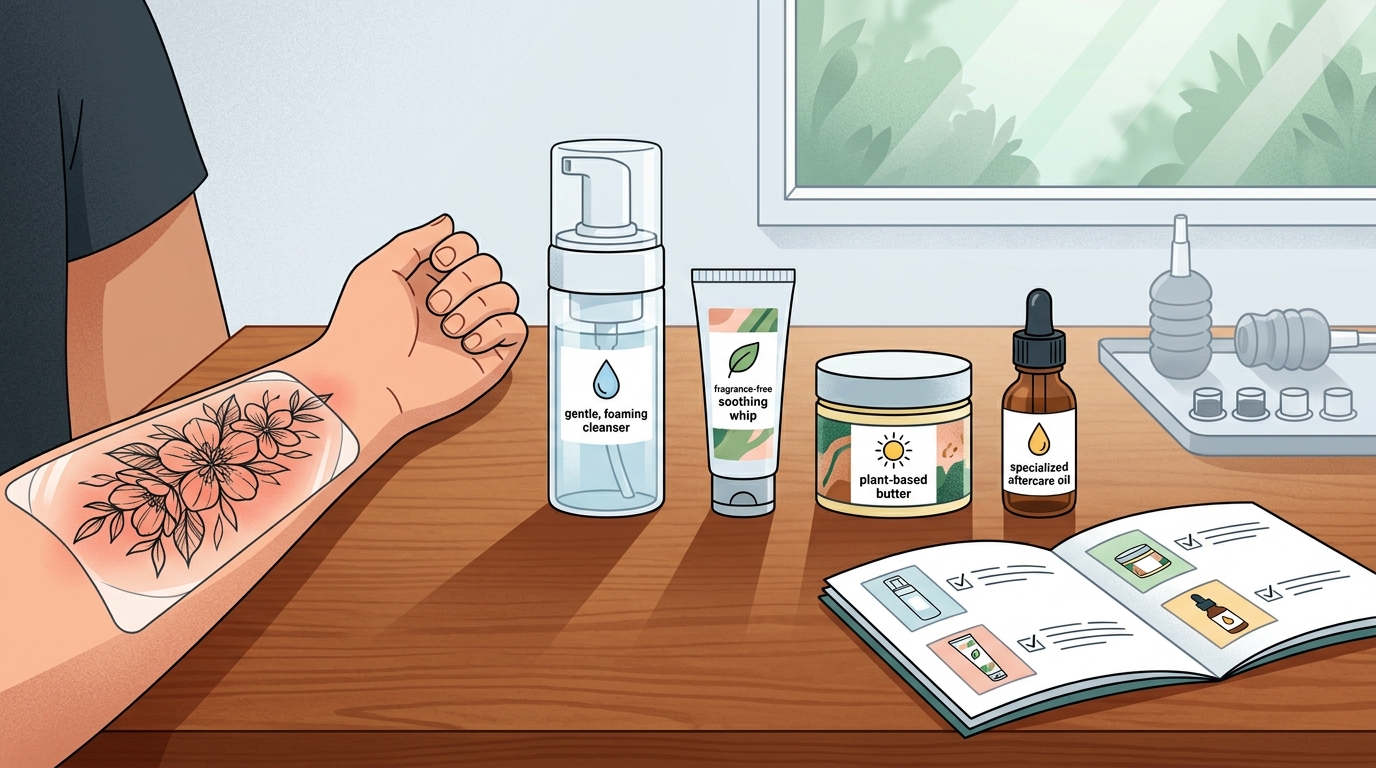
For sensitive skin, the ingredient list is more important than the brand name. You need products that promote healing without introducing allergens. The team at Painless Tattoo has developed a line of products specifically designed to address these concerns.
Why Natural Ingredients Matter
Ingredients like shea butter, mango butter, and aloe vera are excellent for sensitive skin. They provide deep hydration without clogging pores. Alpha Tattoo Butter is formulated with these natural emollients to soothe itching and reduce flaking. The inclusion of tea tree extract offers mild antimicrobial properties, which helps protect the tattoo from infection without the harshness of synthetic antibiotics.
The Role of MCT Oil
Medium-chain triglyceride (MCT) oil is a carrier oil derived from coconut. It is non-comedogenic, meaning it does not clog pores. For sensitive skin, MCT oil provides a lightweight barrier that locks in moisture while allowing the skin to breathe. This is crucial for preventing the "suffocation" effect that can lead to breakouts around the tattooed area.
Proper Application Techniques
Even the best products can cause issues if applied incorrectly. The quantity of product you use is just as important as the quality.
Less is More
Apply a thin layer of ointment or butter. You should not see a shiny, wet surface after application. If the tattoo looks greasy, you have applied too much. Excess product can trap heat and bacteria against the skin, leading to irritation. Use a clean finger or a sterile gauze pad to apply the product.
Frequency of Application
For the first few days, apply the product three to four times a day. As the tattoo begins to peel and dry, you can reduce the frequency. The goal is to keep the tattoo from cracking, not from soaking it in oil. Consistency is key to preventing scabbing, which can pull ink out of the skin and cause patchiness.
Irritants to Avoid Completely
Knowing what to avoid is just as important as knowing what to use. Certain ingredients are known triggers for sensitive skin and should be strictly avoided during the healing process.
Fragrances and Dyes
Fragrances are the number one cause of contact dermatitis in skincare products. They can be natural or synthetic, but both pose a risk to healing tattoos. Dyes add no functional benefit and can stain the skin or cause allergic reactions. Always check the label for "parfum" or "fragrance" and avoid these products entirely.
Alcohol and Peroxide
While alcohol and hydrogen peroxide are effective disinfectants, they are too harsh for healing skin. They dry out the tissue and kill healthy cells needed for regeneration. This can lead to prolonged redness and delayed healing. Stick to mild, pH-balanced cleansers for the initial cleaning phase.
Heavy Petrolatum
While petroleum jelly is a common recommendation, it can be too occlusive for some sensitive skin types. It creates a seal that can trap heat and sweat, leading to folliculitis. If you must use a petroleum-based product, ensure it is highly refined and applied in very thin layers. However, natural alternatives like Alpha Tattoo Oil are often better tolerated.
Product Comparison for Sensitive Skin
Choosing the right product can be overwhelming. The following table compares common aftercare options based on their suitability for sensitive skin.
| Product Type | Key Ingredients | Suitability for Sensitive Skin | Primary Benefit |
|---|---|---|---|
| Alpha Tattoo Butter | Shea Butter, Mango Butter, Aloe Vera | High | Deep hydration and soothing of itch |
| Alpha Tattoo Oil | MCT Oil, Avocado Extract | High | Lightweight moisture without clogging pores |
| Petroleum Jelly | Petrolatum | Low to Medium | Barrier protection, but can trap heat |
| Standard Lotion | Fragrance, Alcohol, Preservatives | Very Low | Often causes irritation and allergic reactions |
Key Takeaways
- Ingredient Awareness: Avoid fragrances, dyes, and alcohol to prevent contact dermatitis.
- Natural Emollients: Shea and mango butter provide effective hydration for sensitive skin.
- Thin Layers: Apply products sparingly to avoid suffocating the healing skin.
- Gentle Cleansing: Use fragrance-free antibacterial soap and pat dry with paper towels.
- Consistent Monitoring: Watch for signs of infection or severe allergic reactions and consult a professional.
- Brand Trust: Products like Alpha Tattoo Butter are formulated with sensitive skin in mind.
- Professional Guidance: Always follow your tattoo artist's specific advice for your skin type.
Frequently Asked Questions
Can I use regular lotion on a new tattoo?
Regular lotions often contain fragrances and preservatives that can irritate sensitive skin. It is safer to use a dedicated aftercare product designed for healing wounds.
How long does sensitive skin take to heal from a tattoo?
Sensitive skin may take slightly longer to heal due to the heightened inflammatory response. Typically, the initial healing phase lasts 2 to 3 weeks, but full skin regeneration can take up to 4 weeks.
Is Alpha Tattoo Oil safe for sensitive skin?
Yes, Alpha Tattoo Oil is formulated with MCT oil and natural extracts that are generally well-tolerated by sensitive skin types. It provides moisture without clogging pores.
What should I do if my tattoo becomes red and itchy?
Mild itching is normal during healing. However, if the redness spreads or becomes hot to the touch, it could be an infection. Stop using all products and consult a healthcare professional immediately.
Can I use a numbing cream for sensitive skin?
Numbing creams can be used before the tattooing process to reduce discomfort. However, they should not be used on the healing tattoo unless directed by a professional. Painless Tattoo Numbing Cream is designed for pre-tattoo application.
How do I know if I am allergic to an aftercare product?
Perform a patch test on a small area of skin before applying the product to your tattoo. If you experience redness, swelling, or itching within 24 hours, do not use the product.
Is it better to use a cream or an ointment?
For sensitive skin, a cream or butter like Alpha Tattoo Butter is often better than a heavy ointment. It allows the skin to breathe while providing necessary moisture.
Start Your Healing Journey
Healing a tattoo with sensitive skin requires patience and the right products. By choosing gentle, natural ingredients and following a strict cleaning routine, you can protect your investment and your skin. Explore the Painless Tattoo Aftercare Collection to find the perfect regimen for your needs. Visit our home page to learn more about our commitment to quality and skin health.